EN


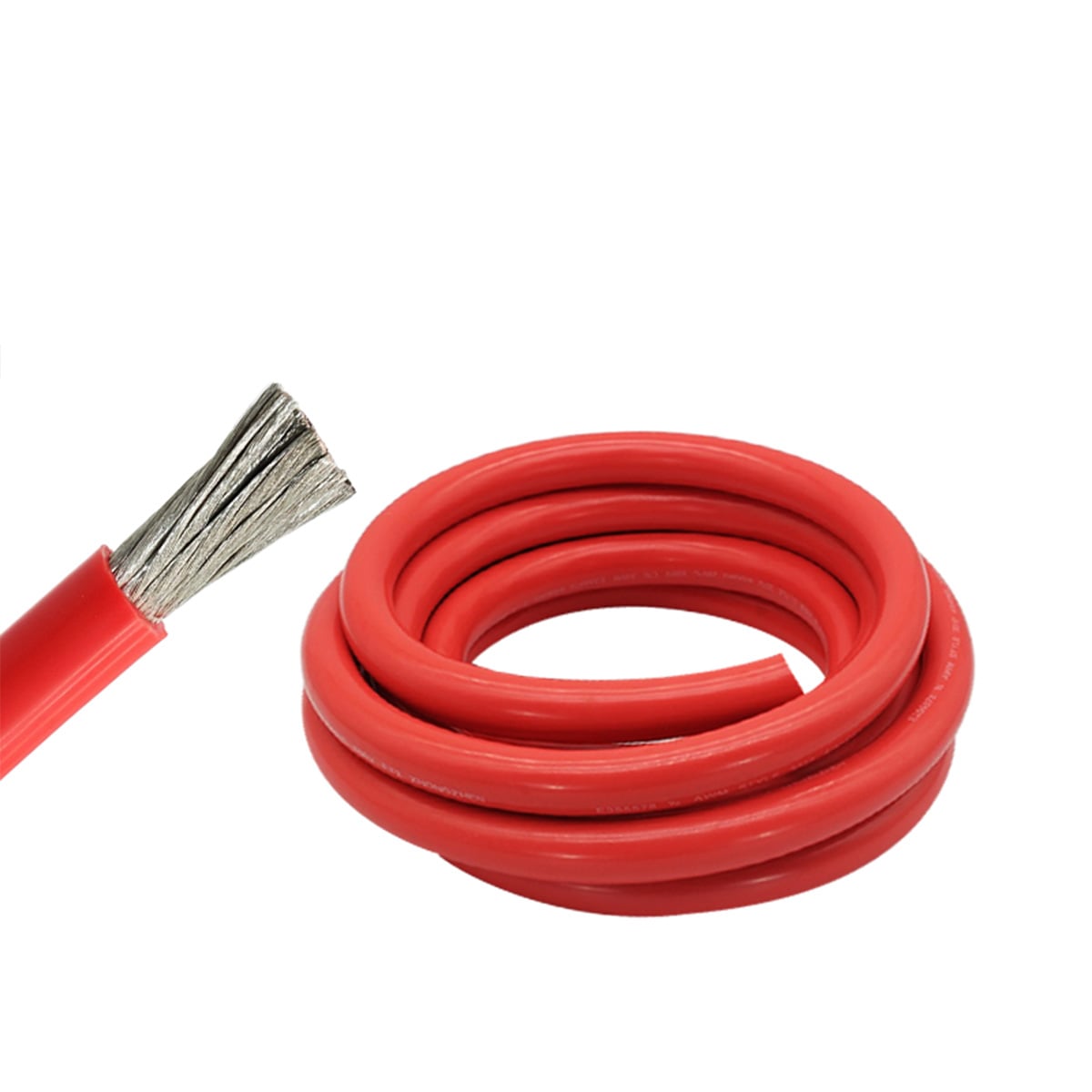
Automotive wire cable serves as the nervous system of modern vehicles, connecting critical electrical components and enabling communication between engine management systems, power distribution networks, and safety features. The quality and condition of your automotive wire cable directly influences how efficiently your vehicle operates, from fuel injection timing to brake system responsiveness. Understanding how automotive wire cable affects overall vehicle performance is essential for both manufacturers and vehicle owners who seek reliability and longevity.

Every automotive wire cable in your vehicle carries electrical current that powers essential functions, and any degradation in cable integrity compromises system performance. Corroded terminals, damaged insulation, or undersized conductors reduce current flow, forcing components to work harder and consume more energy. This article explores the multifaceted relationship between automotive wire cable condition and vehicle performance, examining electrical efficiency, safety implications, and practical maintenance strategies that every vehicle owner should understand.
Electrical Conductivity and Power Distribution
How Automotive Wire Cable Conductivity Impacts System Performance
The electrical conductivity of automotive wire cable determines how much current flows to each component with minimal voltage drop. When an automotive wire cable has high conductivity, components receive full voltage and operate at peak efficiency, delivering their rated power output. Conversely, poor-quality automotive wire cable with lower conductivity creates resistance that generates heat and reduces available voltage to critical systems like starters, alternators, and fuel pumps.
Automotive wire cable gauge selection directly affects conductivity and performance outcomes. Undersized automotive wire cable for high-amperage circuits forces excessive current through inadequate conductor cross-sections, creating voltage drops that starve components of necessary electrical power. This forces the alternator to work harder, consuming more engine fuel and reducing overall vehicle efficiency by measurable percentages. Properly sized automotive wire cable ensures that every component receives the voltage it requires without wasteful energy loss.
Terminal Corrosion and Connection Reliability
Terminal corrosion at automotive wire cable connection points acts as a hidden performance robber, introducing resistance between the cable and component terminals. Oxidized connections on automotive wire cable terminals increase electrical resistance, preventing full current flow even when the cable itself remains sound. This degradation forces starters to crank slower, reduces charging efficiency during engine operation, and creates intermittent electrical faults that trigger diagnostic codes and illuminate warning lights.
The interface where automotive wire cable meets battery terminals, starter motors, and alternators represents critical vulnerability zones. Corrosion buildup on these connection points acts like a small resistor inserted into the circuit, consuming voltage that should power vehicle systems. Regular inspection and cleaning of automotive wire cable terminals maintains low-resistance pathways and preserves electrical system performance throughout the vehicle's operating life.
Engine Performance and Fuel System Efficiency
Fuel Injection System Responsiveness
Modern engines depend on precise voltage delivery through automotive wire cable networks to fuel injectors, sensors, and engine control modules that manage combustion. High-quality automotive wire cable delivers clean, stable voltage that allows fuel injectors to open and close with exact timing, optimizing fuel atomization and combustion efficiency. When automotive wire cable quality degrades, voltage fluctuations prevent injectors from operating precisely, resulting in incomplete combustion, reduced fuel economy, and increased emissions.
Automotive wire cable supplying power to engine sensors must maintain signal integrity without electrical noise that confuses the engine control unit. Any degradation in automotive wire cable shielding or conductor quality introduces electromagnetic interference that causes sensor readings to drift from actual values. This sensor confusion forces the engine control module to make incorrect adjustments, running the engine lean or rich and robbing performance while wasting fuel unnecessarily.
Cold Start Performance and Starter Motor Power
Starter motors demand extreme current levels during cold engine cranking, making the quality of battery-to-starter automotive wire cable absolutely critical for reliable starting. A single corroded connection or damaged section of automotive wire cable between the battery and starter can increase resistance enough to prevent engine cranking during freezing temperatures. Premium-grade automotive wire cable with solid copper conductors and corrosion-resistant terminals ensures full current delivery even in harsh winter conditions.
The automotive wire cable carrying alternator output back to the battery battery management system must handle continuous high current while maintaining low resistance. Substandard automotive wire cable in this charging circuit forces the alternator to produce higher voltage than necessary to overcome cable resistance, wasting engine power and reducing alternator lifespan. Properly specified automotive wire cable ensures charging efficiency and protects the alternator from premature wear caused by excessive operating voltage.
Safety Systems and Braking Performance
Anti-Lock Braking System Reliability
Automotive wire cable networks supplying power to anti-lock braking system modules must deliver millisecond-precise electrical signals to prevent wheel lockup during emergency braking. Even minor voltage drops caused by substandard automotive wire cable can delay brake system response, compromising stopping safety and increasing stopping distance. Modern vehicles rely on rapid communication between wheel speed sensors and ABS control modules through automotive wire cable connections that must maintain perfect signal integrity.
Corrosion or insulation damage to automotive wire cable serving brake system components creates intermittent electrical faults that prevent the ABS system from functioning properly. When the engine control unit cannot reliably communicate with wheel speed sensors through degraded automotive wire cable, anti-lock braking becomes unavailable, and the vehicle reverts to conventional braking without electronic stability control. This represents a genuine safety compromise that demands immediate attention whenever automotive wire cable integrity appears questionable.
Airbag and Safety Module Communication
Airbag deployment systems depend on instantaneous electrical signals traveling through dedicated automotive wire cable to firing circuits that inflate safety restraints during collisions. A single break or high-resistance connection in automotive wire cable serving airbag modules renders the entire safety system inoperative, preventing deployment when needed. Accident investigations regularly identify failure to deploy incidents traced back to damaged or corroded automotive wire cable that prevented deployment signal transmission.
The automotive wire cable connecting crash sensors to airbag control units must operate perfectly every time, with zero tolerance for electrical faults. Any degradation in automotive wire cable shielding or conductor integrity compromises the reliability of these life-saving systems. Vehicle manufacturers specify premium-grade automotive wire cable for safety circuits with enhanced insulation, corrosion resistance, and rigorous testing to ensure that safety systems function when lives depend on them.
Charging System Efficiency and Battery Health
Alternator Performance and Charging Voltage
The automotive wire cable connecting the alternator to the battery carries all charging current generated by engine operation, making cable resistance a direct factor in charging system efficiency. High-resistance automotive wire cable forces the alternator's voltage regulator to increase output voltage to compensate for cable losses, causing the alternator to work harder than designed. This unnecessary overwork reduces alternator lifespan and wastes engine fuel that could otherwise propel the vehicle forward.
Battery charging speed depends directly on how much current can flow through automotive wire cable from the alternator back to the battery during engine operation. Undersized or corroded automotive wire cable restricts current flow, slowing the recharge rate after engine starting and reducing reserve energy available for electrical accessories. Properly sized automotive wire cable with excellent conductivity ensures that the battery charges at the manufacturer's intended rate, maintaining full charge capacity and supporting accessory operation without taxing the alternator.
Electrical Accessory Performance
Automotive wire cable supplying power to headlights, wipers, and entertainment systems determines how brightly lights shine and how quickly accessories operate under electrical load. When automotive wire cable quality degrades, accessories receive reduced voltage and operate at diminished performance levels, creating dimmer headlights and slower wiper operation. Premium automotive wire cable ensures that every accessory receives rated voltage and delivers the performance consumers expect from modern vehicle features.
The automotive wire cable network distributes power from the battery through various fused circuits to maintain independent protection of separate systems. When individual circuits use substandard automotive wire cable, voltage drops prevent proper operation of those specific systems while other circuits may function normally. This selective performance degradation makes troubleshooting difficult and frustrates vehicle owners who experience intermittent failures in particular electrical systems.
FAQ
What specific problems result from poor-quality automotive wire cable?
Poor-quality automotive wire cable causes voltage drops, increased electrical resistance, slow engine cranking, dim headlights, charging system inefficiency, and potential safety system failures. Corroded connections introduce resistance that forces electrical components to work harder while consuming more engine fuel. Damaged insulation on automotive wire cable creates short-circuit risks and electrical faults that trigger warning lights and disable critical safety features like anti-lock braking and airbag systems.
How often should automotive wire cable connections be inspected?
Automotive wire cable connections should be visually inspected annually for signs of corrosion, loose terminals, or insulation damage that indicates performance degradation. In vehicles operated in coastal or salt-heavy environments, more frequent inspection of automotive wire cable is advisable because salt accelerates corrosion. Any signs of white or green oxidation on battery terminals or other automotive wire cable connections warrant immediate cleaning and terminal protection to restore full electrical performance and safety system reliability.
Can upgrading automotive wire cable improve vehicle performance?
Upgrading to premium-grade automotive wire cable with larger conductors and superior corrosion resistance improves charging efficiency, starting reliability, and accessory performance in vehicles with aged or substandard original automotive wire cable. Vehicles experiencing slow charging, difficult starting, or dimming headlights often show measurable improvement after automotive wire cable upgrade because reduced electrical resistance allows components to operate at full rated power. However, automotive wire cable upgrade typically benefits older vehicles most significantly, while newer vehicles with original equipment automotive wire cable rarely require upgrading unless damage or corrosion is visible.