EN


Knowing when to replace automotive wire cable in your car is essential for maintaining safe and reliable vehicle operation. The electrical system depends on properly functioning wiring to power everything from the engine ignition to modern safety features and infotainment systems. Over time, automotive wire cable deteriorates due to heat exposure, vibration, moisture, and chemical corrosion, making replacement a critical maintenance decision. Understanding the signs that indicate your automotive wire cable needs replacement helps prevent electrical failures, safety hazards, and costly repairs down the road.
Most vehicle owners overlook the condition of their automotive wire cable until a problem arises, but proactive assessment can save significant time and expense. Regular inspection of your automotive wire cable allows you to catch early signs of damage before they escalate into complete electrical system failure. This guide covers the key indicators that your automotive wire cable requires replacement, optimal timing for preventive maintenance, and practical steps to ensure your vehicle's electrical integrity.
Recognizing Signs Your Automotive Wire Cable Needs Replacement
Visual Damage and Physical Deterioration
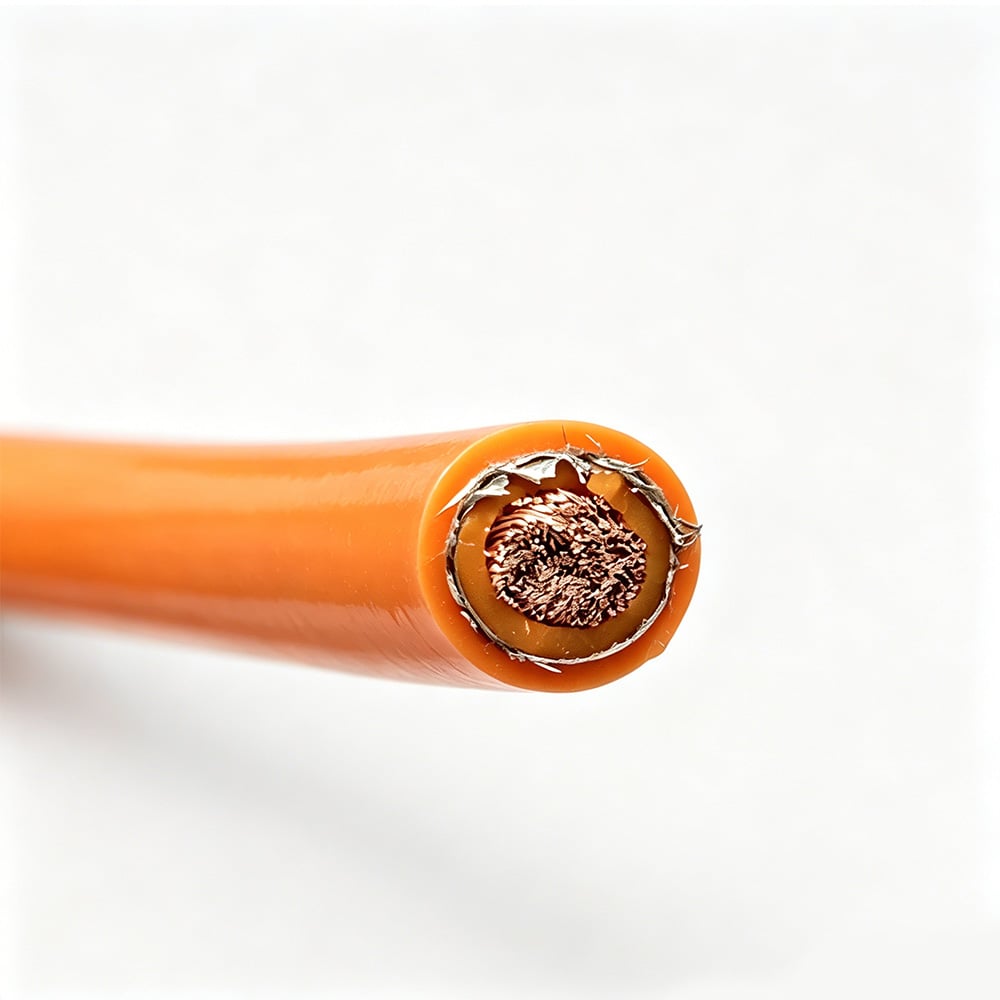
The most obvious indicator that your automotive wire cable requires replacement is visible physical damage. Cracked, melted, or scorched insulation around automotive wire cable exposes the copper conductor underneath, creating safety risks and potential short circuits. Look for burn marks, discoloration, or brittleness in the insulation material, which indicates heat damage to your automotive wire cable. Rodent damage is increasingly common in older vehicles, where automotive wire cable becomes a chewing target, leaving sections exposed and non-functional. Any automotive wire cable showing signs of fraying, pinching, or separation from connectors should be replaced immediately to prevent electrical hazards.
Performance Problems and Electrical Failures
When your automotive wire cable begins to fail, you may notice intermittent electrical issues before complete malfunction occurs. Dim headlights, flickering dashboard lights, or difficulty starting the engine often point to compromised automotive wire cable connections and resistance. Engine stalling during operation, unresponsive power windows, or non-functioning air conditioning can result from failing automotive wire cable that cannot deliver adequate current. If you experience repeated blown fuses or tripped circuit breakers, faulty automotive wire cable may be causing electrical shorts. Battery corrosion buildup, poor ground connections, or difficulty with accessory operation typically suggests that automotive wire cable somewhere in your system has degraded beyond safe operating parameters.
Age-Based Replacement Timing for Automotive Wire Cable
Factory Original Automotive Wire Cable Lifespan
Most factory-installed automotive wire cable is designed to last the lifetime of the vehicle under normal operating conditions, typically 10 to 15 years or 150,000 to 200,000 miles. However, harsh environments, extreme temperatures, and poor maintenance accelerate the degradation of automotive wire cable significantly. In hot climates where underhood temperatures exceed 120 degrees Fahrenheit regularly, automotive wire cable may fail within 7 to 10 years due to insulation breakdown. Vehicles regularly exposed to road salt, humidity, or industrial pollutants experience faster corrosion of automotive wire cable and connections. Even if your automotive wire cable appears intact, preventive replacement every 10 years ensures continued reliability and safety, particularly in critical circuits like the starter and charging systems.
Environmental Factors Affecting Replacement Timeline
Geographic location plays a significant role in determining when to replace automotive wire cable. Coastal areas with salt spray exposure cause accelerated corrosion of both the automotive wire cable itself and the metal terminals that connect it. Vehicles in cold climates experience different stress patterns on automotive wire cable, as repeated freeze-thaw cycles cause insulation material to become brittle and prone to cracking. Off-road or performance vehicles subjected to vibration, mud, and water crossings deteriorate automotive wire cable faster than highway commuter vehicles. Urban vehicles with frequent short trips experience different wear patterns on automotive wire cable compared to long-distance highway vehicles. Climate-controlled garage storage extends the life of automotive wire cable significantly compared to vehicles left exposed to sun, rain, and temperature extremes.
Preventive Maintenance and Inspection Schedules
Regular Inspection Practices
Implementing a regular inspection routine helps you catch automotive wire cable problems before they compromise your vehicle's electrical system. During routine maintenance, visually inspect accessible automotive wire cable for signs of wear, damage, or corrosion at least twice yearly. Pay special attention to automotive wire cable near the battery terminals, engine block, and areas prone to moisture accumulation like wheel wells and undercarriage sections. Use a flashlight to examine automotive wire cable routing along the engine bay, ensuring no wires are pinched, rubbing against sharp metal edges, or pressed against hot surfaces. Check all battery cables, ground straps, and major harness connectors that make up your vehicle's primary automotive wire cable network, as these carry the highest electrical loads.
Professional Assessment and Replacement Services
A certified technician can perform comprehensive electrical system diagnostics to determine the condition of your automotive wire cable and predict future failure risks. Digital multimeters and insulation resistance tests reveal degradation in automotive wire cable that may not be visible to the naked eye, providing objective data for replacement decisions. If your vehicle is approaching 10 years old or has been exposed to harsh conditions, professional inspection of automotive wire cable can identify specific circuits requiring replacement before they fail. Replacement of deteriorated automotive wire cable should be handled by experienced technicians who understand proper routing, connector installation, and circuit protection requirements. OEM-quality automotive wire cable should be used for replacement to ensure proper gauge, insulation materials, and compatibility with your vehicle's electrical architecture and safety systems.
FAQ
How often should I have my automotive wire cable inspected?
You should inspect your automotive wire cable at least twice per year during routine vehicle maintenance, or immediately if you notice any electrical problems. In harsh climates or for vehicles over 10 years old, quarterly inspection of critical automotive wire cable circuits like the starter, alternator, and battery connections is recommended to catch problems early.
Can I drive safely with damaged automotive wire cable?
Driving with damaged automotive wire cable poses serious safety risks including electrical fires, sudden power loss, brake failure, or loss of steering assistance depending on which systems are affected. While minor cosmetic damage may not cause immediate failure, any exposed copper in your automotive wire cable creates potential for shorts and should be addressed promptly through proper replacement or repair.
What is the cost difference between preventive automotive wire cable replacement and emergency repair?
Preventive replacement of aging automotive wire cable costs significantly less than emergency repairs, which may include damage to alternators, starters, batteries, or engine control modules caused by electrical failures. Emergency automotive wire cable failures often occur at inconvenient times and locations, potentially requiring towing services and emergency repair shop rates that multiply the total expense.