EN


The longevity of automotive wire cable depends on far more than simple cost considerations. Quality automotive wire cable represents a critical investment in equipment reliability, safety, and operational efficiency across industrial and automotive sectors. When manufacturers and operators choose premium automotive wire cable over budget alternatives, they gain measurable advantages in performance consistency, reduced downtime, and total cost of ownership. Understanding what truly distinguishes durable automotive wire cable helps decision-makers invest confidently in solutions that deliver sustained value over years of demanding service.

Superior automotive wire cable extends operational life through careful material selection, precise engineering, and rigorous quality control. The fundamental difference between standard and premium automotive wire cable lies not in appearance but in internal composition, manufacturing precision, and resistance to environmental stress. Industrial operators who prioritize quality automotive wire cable experience fewer equipment failures, lower replacement frequency, and improved safety compliance. This article explores the specific factors that make automotive wire cable durable and why investing in quality delivers superior long-term performance.
Material Composition and Conductor Quality
Copper Purity and Conductivity Standards
The foundation of durable automotive wire cable begins with conductor material. Premium automotive wire cable uses high-purity copper that meets or exceeds industry conductivity standards, ensuring consistent electrical performance throughout the cable's lifespan. Low-quality automotive wire cable often contains impurities, recycled materials, or substandard copper that degrades conductivity over time. When electrical current flows through inferior conductors, resistance increases, generating excessive heat that accelerates insulation breakdown. Quality automotive wire cable maintains stable conductivity even after years of service, reducing heat generation and extending the cable's functional life considerably.
Strand Count and Flexibility Engineering
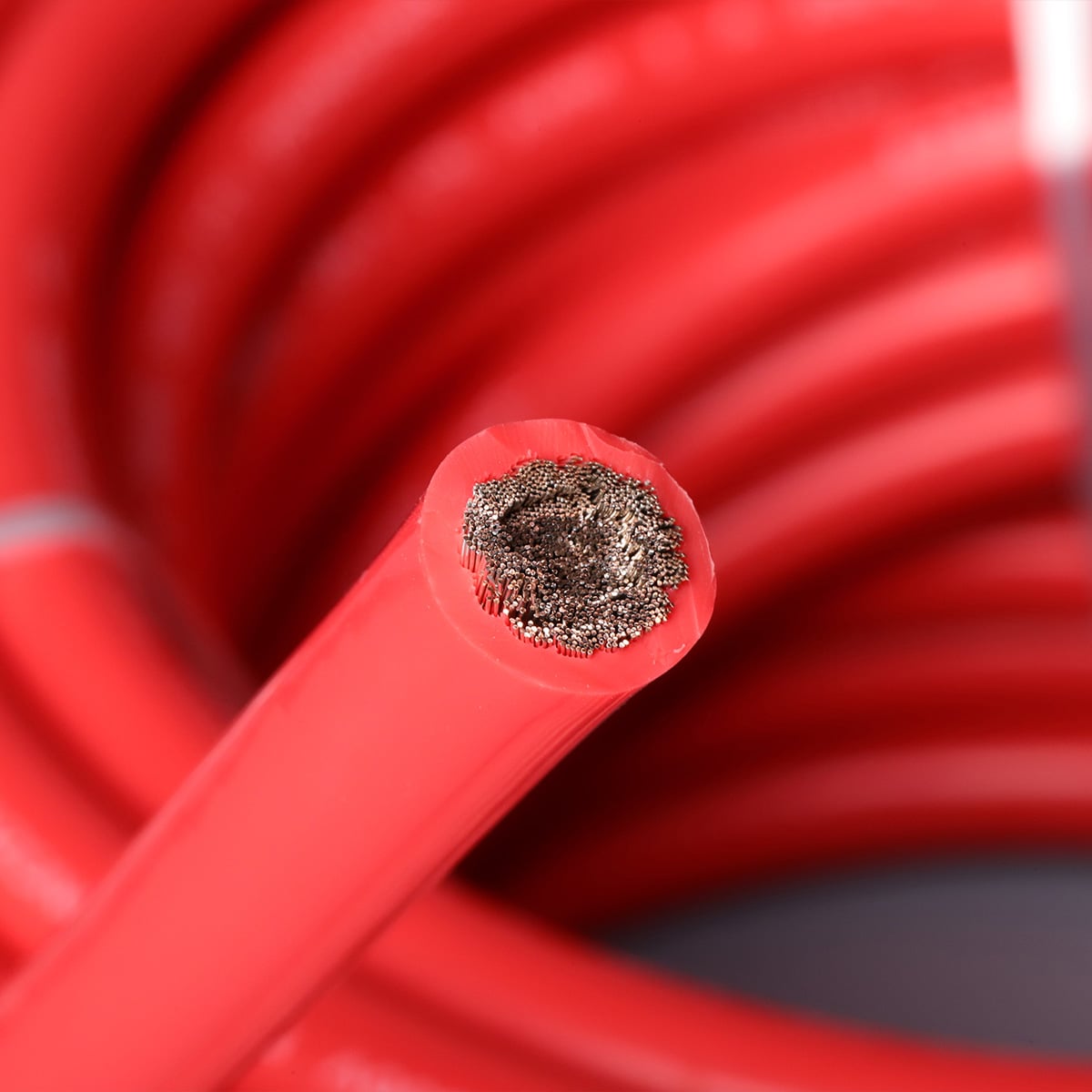
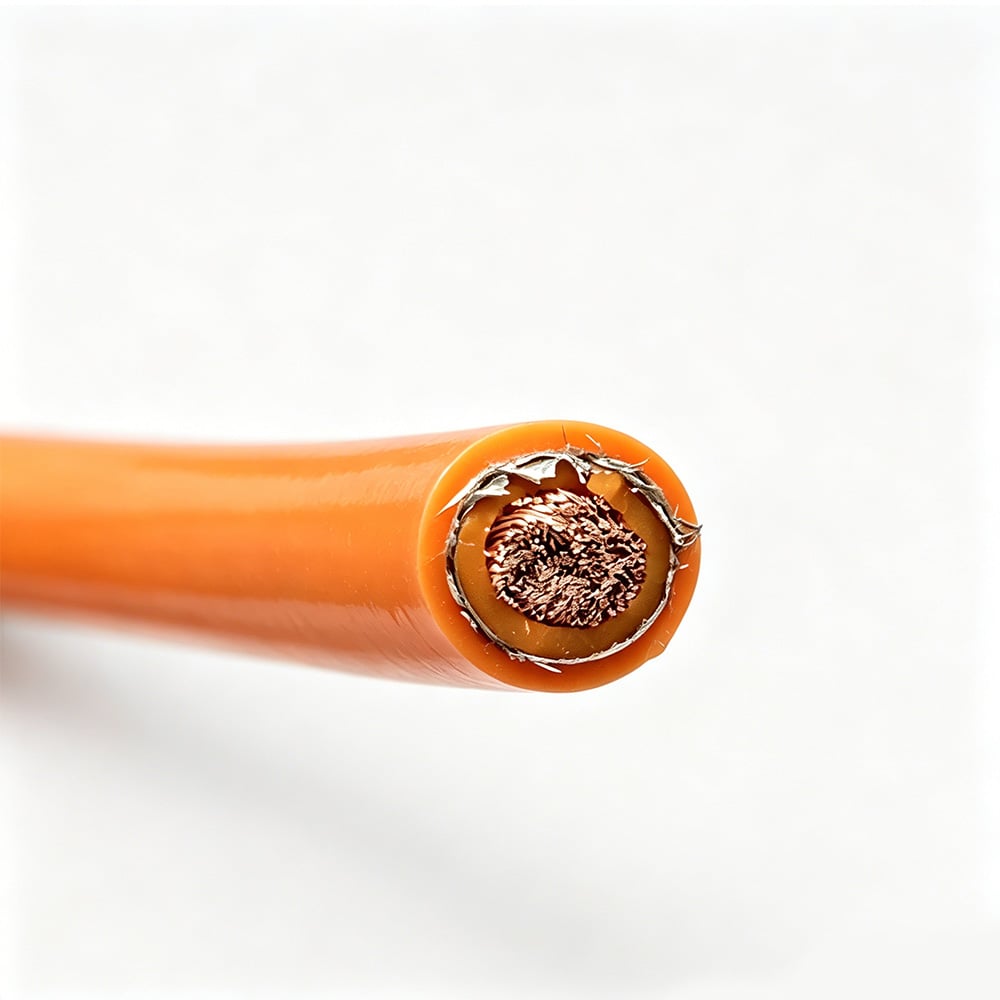
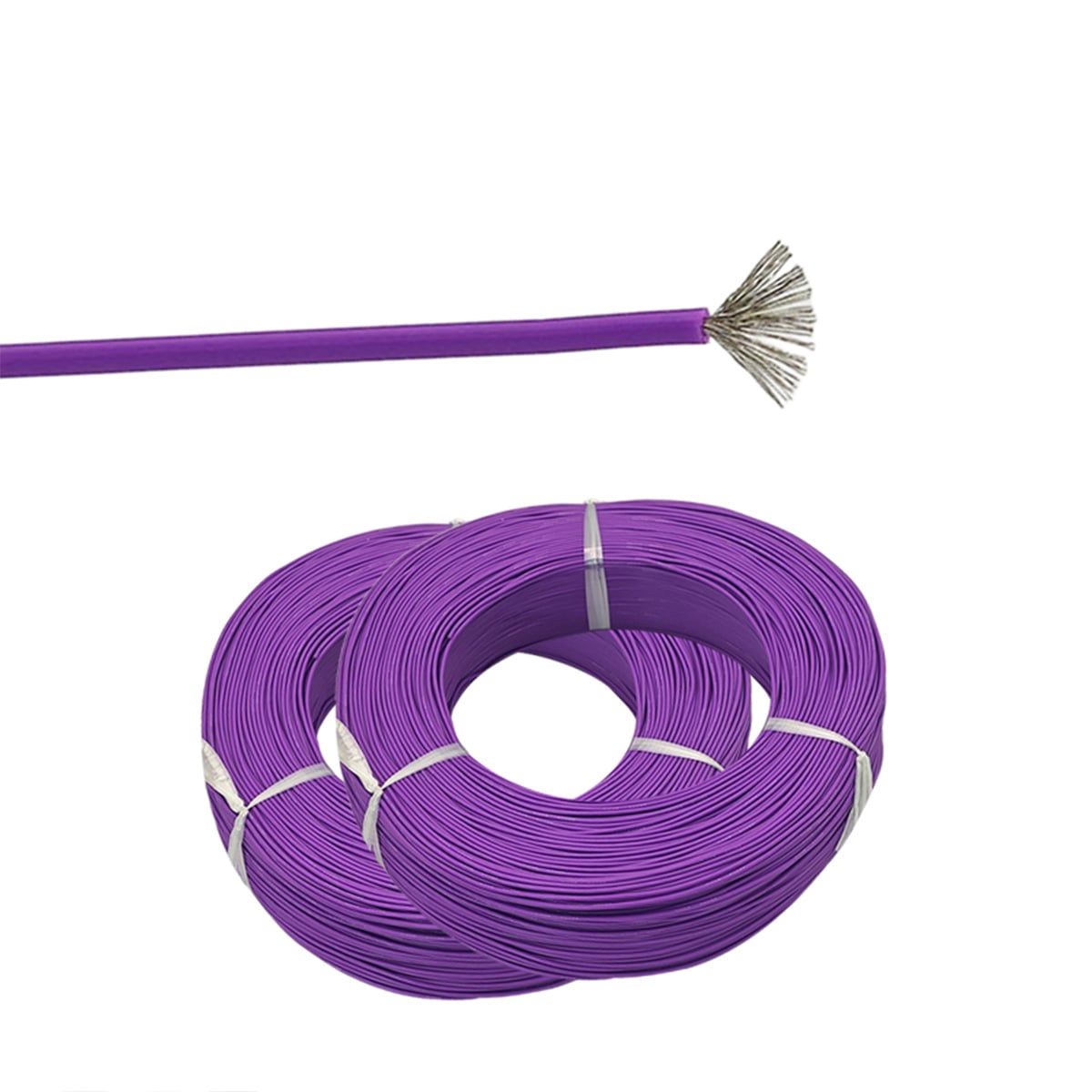
Advanced automotive wire cable incorporates optimized strand geometry designed for both flexibility and durability. Premium automotive wire cable uses multiple fine strands rather than fewer thick strands, distributing stress more evenly and resisting mechanical fatigue. This construction proves especially valuable in mobile applications where automotive wire cable must flex repeatedly without cracking internally. Industrial automotive wire cable engineered for high-strand-count designs maintains mechanical integrity through thousands of flexing cycles that would damage inferior alternatives. The careful balance between conductor count and insulation thickness in quality automotive wire cable ensures reliable performance in demanding automotive and industrial environments.
Insulation Systems and Environmental Protection
Specialized Insulation Material Selection
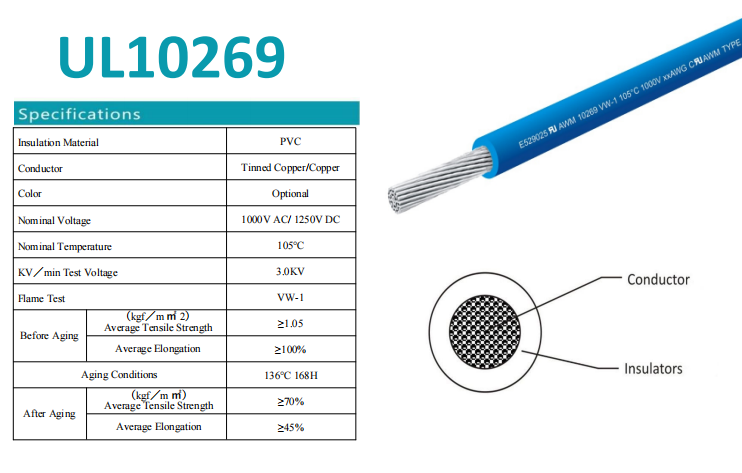
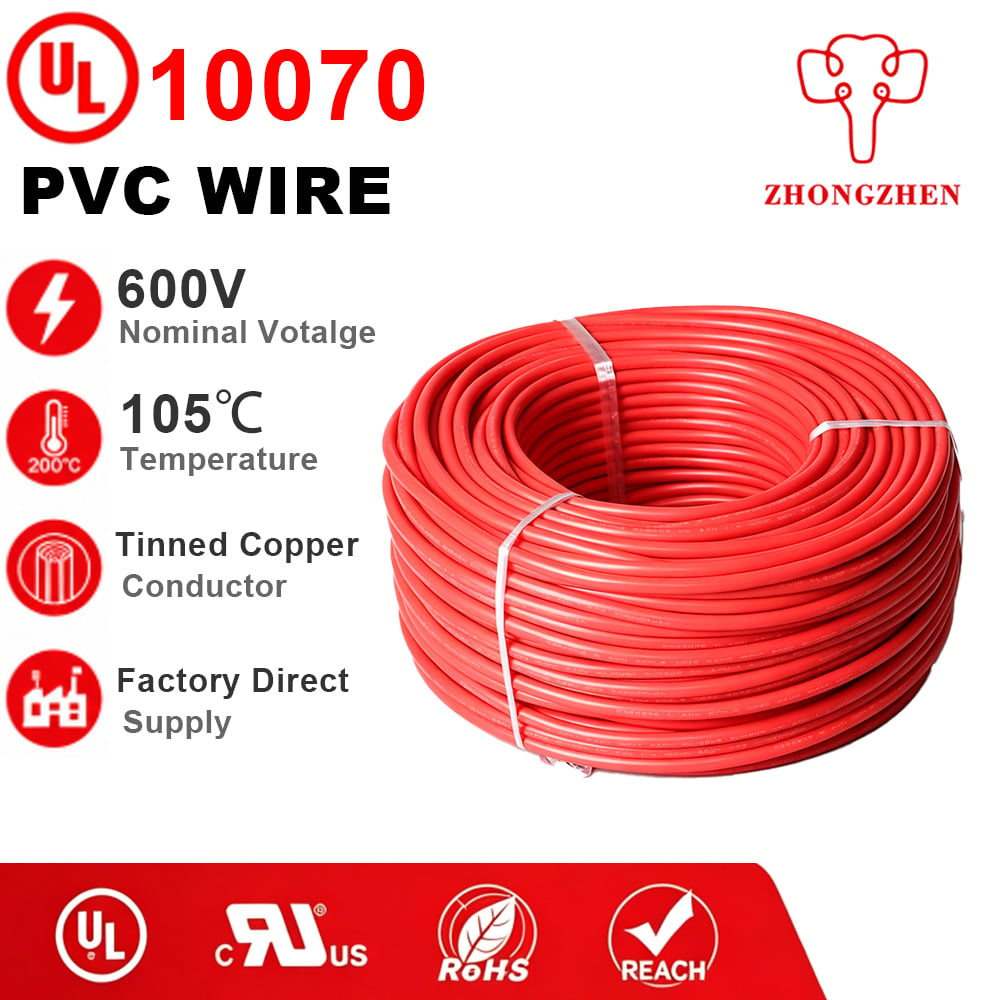
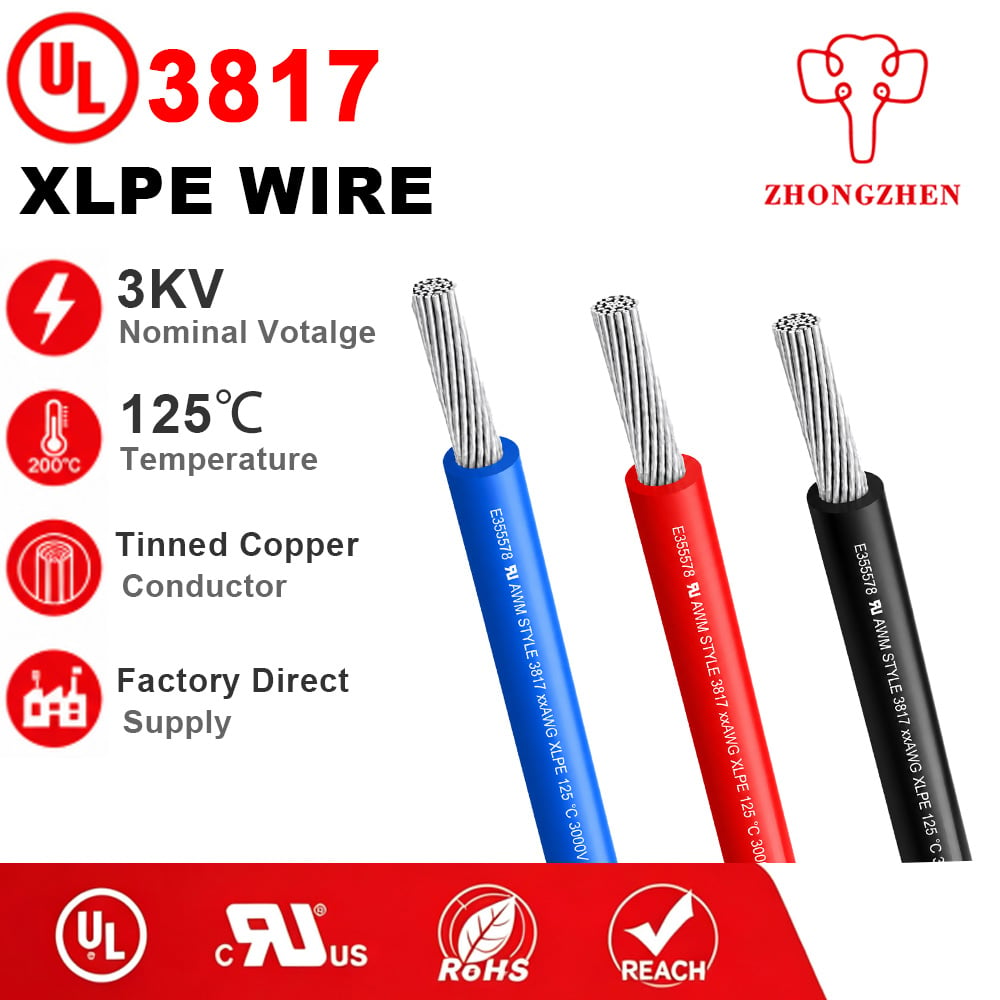
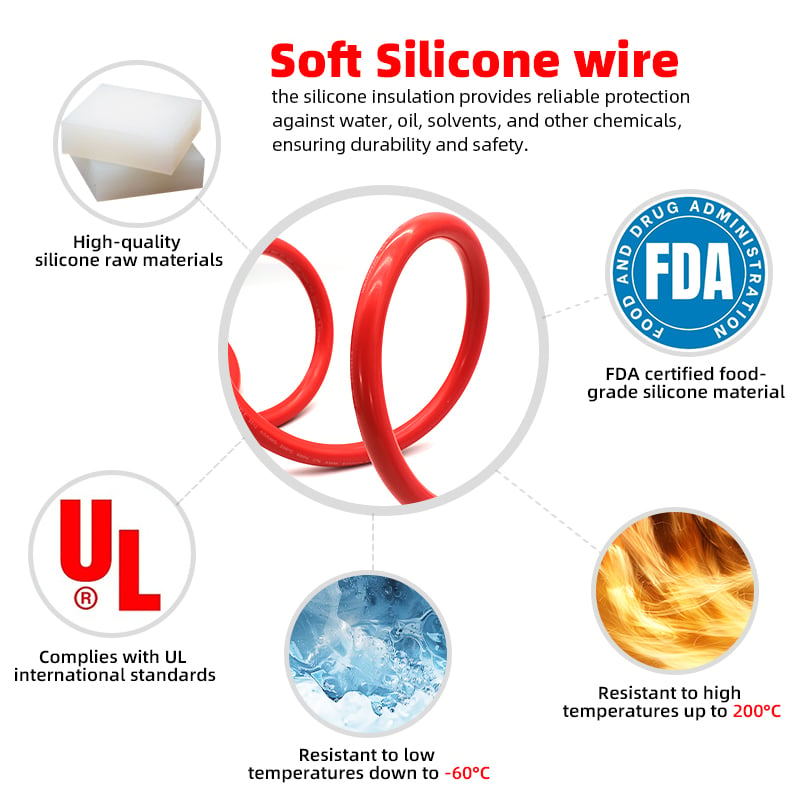
The insulation surrounding automotive wire cable acts as the primary defense against environmental degradation, moisture intrusion, and chemical attack. Quality automotive wire cable employs premium insulation materials such as silicone rubber or cross-linked polyethylene that maintain flexibility across extreme temperature ranges. Budget automotive wire cable often uses standard vinyl or low-grade rubber that becomes brittle in cold conditions or softens excessively when exposed to heat. Premium automotive wire cable resists oil, coolant, fuel, and other automotive fluids that constantly threaten cable integrity in operational environments. This superior chemical resistance directly translates to extended service life and reduced replacement costs across industrial automotive applications.
Multi-Layer Protection Architecture
Advanced automotive wire cable designs implement multiple protective layers to defend conductors from mechanical damage and environmental exposure. Quality automotive wire cable features robust outer jackets that resist abrasion, cut-through, and puncture damage that would compromise inferior cable designs. Inner insulation layers provide consistent electrical protection while outer armor or braiding adds mechanical toughness where automotive wire cable faces particularly harsh contact conditions. This layered approach to automotive wire cable construction ensures that even if outer layers sustain minor damage, inner protection systems maintain electrical integrity and safety. Industrial environments demand this level of redundant protection, making premium automotive wire cable the practical choice for critical applications.
Manufacturing Standards and Quality Control
Precise Diameter and Thickness Consistency
Manufacturing precision directly determines how long automotive wire cable performs reliably. Quality automotive wire cable maintains consistent insulation thickness throughout its entire length, eliminating weak points that cause premature failure. Budget automotive wire cable often exhibits thickness variation, creating zones where insulation thins dangerously and voltage breakthrough becomes probable. Premium automotive wire cable undergoes continuous diameter monitoring during production, ensuring every meter meets exacting specifications. This precision in automotive wire cable manufacturing prevents the localized degradation that causes sudden, catastrophic failures in industrial equipment. Operators who specify quality automotive wire cable benefit from predictable performance characteristics and extended service intervals.
Testing Protocols and Certification Compliance
Superior automotive wire cable passes rigorous testing that validates performance across operational extremes. Quality automotive wire cable undergoes high-voltage dielectric testing, temperature cycling, flame-resistance evaluation, and mechanical strength verification before leaving manufacturing facilities. Premium automotive wire cable often carries industry certifications such as UL, CSA, or automotive-specific ratings that document compliance with demanding standards. Budget alternatives frequently skip comprehensive testing, reaching markets without validation of critical safety properties. When automotive wire cable bears recognized certifications, buyers gain objective assurance that products will perform as specified. This testing commitment distinguishes quality automotive wire cable from unvalidated alternatives and justifies premium pricing through measurable reliability gains.
Environmental Resistance and Service Life Extension
Temperature Stability Across Operating Ranges
Thermal stress accelerates degradation in inferior automotive wire cable, while premium options maintain functionality across extreme temperature swings. Quality automotive wire cable retains insulation flexibility at sub-zero temperatures where standard rubber becomes brittle and prone to cracking. Similarly, automotive wire cable with superior thermal ratings resists softening and insulation breakdown when exposed to high underhood heat or industrial process temperatures. Extended temperature stability directly extends the years of dependable service that automotive wire cable provides. Industrial applications that expose automotive wire cable to wide temperature ranges benefit tremendously from premium formulations engineered for thermal resilience.
Moisture and Chemical Barrier Performance
Moisture infiltration represents a primary failure mechanism in automotive environments, where automotive wire cable faces constant humidity, rain, and condensation exposure. Premium automotive wire cable incorporates moisture barriers that prevent water penetration into conductor areas where electrical failure would result. Quality automotive wire cable also resists the corrosive effects of road salt, industrial solvents, battery acid, and other chemicals endemic to automotive and manufacturing settings. Budget automotive wire cable typically lacks these protective features, allowing moisture and chemicals to gradually degrade conductors and insulation. By selecting automotive wire cable with proven chemical and moisture resistance, operators extend cable lifespan significantly and reduce safety risks associated with electrical degradation.
FAQ
How does conductor strand count affect automotive wire cable durability?
Higher strand-count designs in quality automotive wire cable distribute mechanical stress more evenly across individual conductors, resisting fatigue cracking that occurs in coarse-strand alternatives. Automotive wire cable with optimal strand geometry flexes thousands of times without internal fracture, extending operational life substantially. This strand engineering distinguishes premium automotive wire cable from budget options that sacrifice flexibility for manufacturing cost reduction.
What insulation material provides the longest service life for automotive wire cable?
Silicone rubber and cross-linked polyethylene represent the longest-lasting insulation materials for automotive wire cable in demanding environments. Quality automotive wire cable using these materials resists temperature extremes, chemical attack, and UV degradation that compromise standard vinyl or basic rubber insulation. Premium automotive wire cable with these advanced insulations maintains protective properties even after decades of industrial or automotive service.
Why does manufacturing precision matter for automotive wire cable longevity?
Consistent insulation thickness throughout automotive wire cable eliminates weak points where early breakdown occurs. Quality automotive wire cable manufactured with precision tolerances avoids the thin-wall defects that cause sudden electrical failures in inferior products. This manufacturing commitment in premium automotive wire cable ensures predictable performance and extends the interval between replacement cycles significantly.