EN
EN


When selecting electrical wiring for industrial applications, residential projects, or specialized installations, understanding the critical specifications of 6 awg copper wire becomes essential for ensuring safety, performance, and long-term reliability. The purchasing decision involves multiple technical considerations that directly impact the wire's suitability for specific electrical loads, environmental conditions, and regulatory compliance requirements.
Professional electricians, contractors, and engineers must evaluate numerous factors before committing to a 6 awg copper wire purchase, including conductor purity, insulation type, temperature ratings, and certification standards. These preliminary checks prevent costly installation errors, ensure code compliance, and guarantee optimal electrical performance throughout the wire's operational lifespan.
Conductor Material and Construction Quality
Copper Purity and Grade Specifications
The copper content in 6 awg copper wire significantly affects its electrical conductivity, corrosion resistance, and mechanical durability. High-grade electrical copper should meet ASTM B3 standards, ensuring 99.9% pure copper content with minimal impurities that could compromise performance. Oxygen-free copper variants offer superior conductivity and reduced oxidation over time, making them ideal for high-current applications.
Verify the copper's temper classification, as soft-drawn copper provides excellent flexibility for installations requiring frequent handling, while medium-hard drawn copper offers better tensile strength for overhead or mechanically stressed applications. The manufacturing process should eliminate internal voids, cracks, or inconsistencies that could create hot spots or failure points during operation.
Strand Configuration and Flexibility
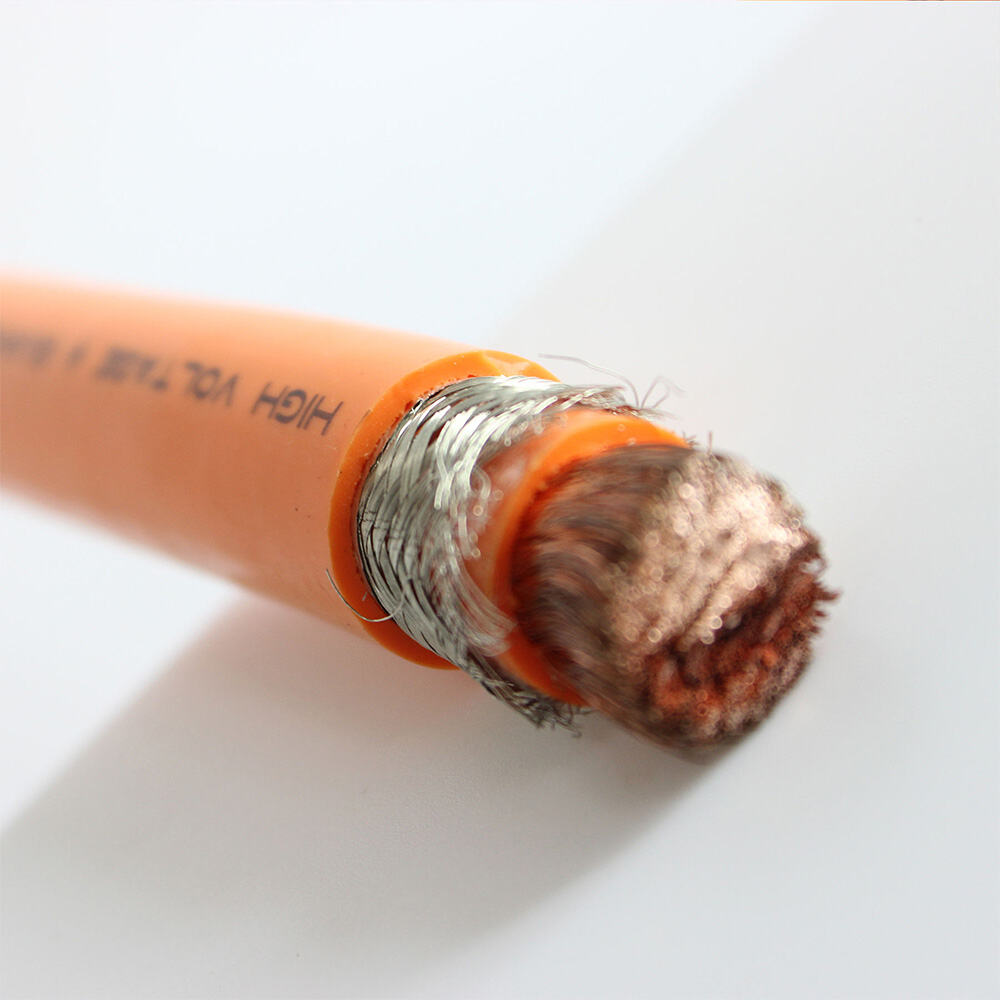
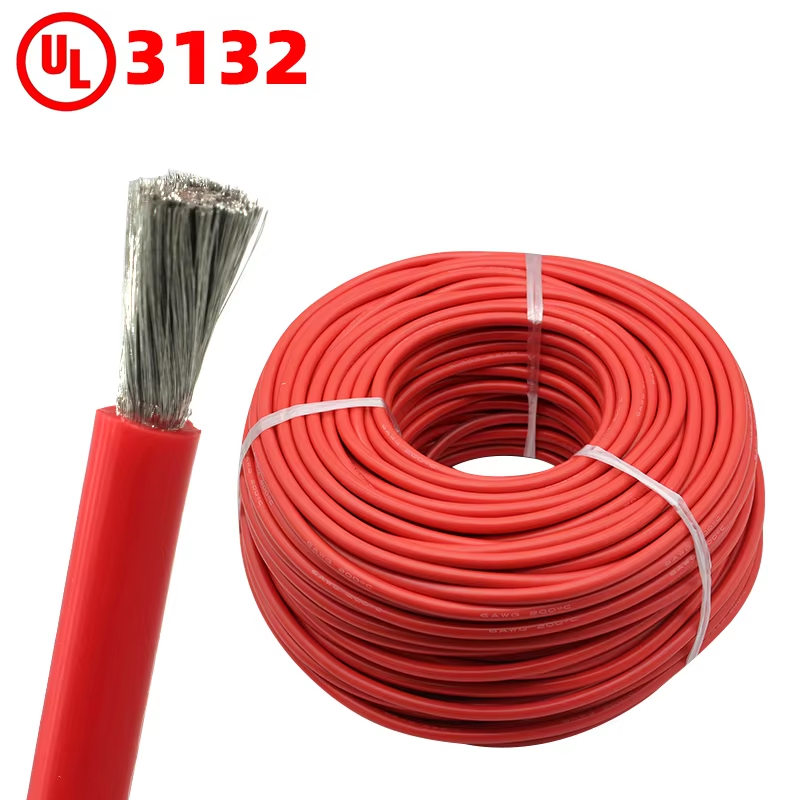
Examine whether the 6 awg copper wire uses solid or stranded conductor construction, as this choice directly impacts installation ease and mechanical performance. Stranded conductors typically consist of multiple smaller copper wires twisted together, providing enhanced flexibility and resistance to fatigue from vibration or thermal cycling.
The strand count and individual wire diameter determine the overall flexibility and bend radius capabilities. Higher strand counts generally offer better flexibility but may require specialized termination techniques. Verify that the stranding pattern follows industry standards and maintains uniform conductor cross-sectional area throughout the wire length.
Insulation System and Environmental Protection
Insulation Material Compatibility
The insulation system surrounding 6 awg copper wire must match the intended application environment and electrical requirements. Common insulation materials include PVC for general-purpose applications, XLPE for higher temperature ratings, and specialized compounds like silicone rubber for extreme temperature conditions or chemical exposure.
Evaluate the insulation's dielectric strength, which determines the maximum voltage the wire can safely handle without breakdown. The insulation thickness should comply with relevant standards such as UL, CSA, or IEC specifications for the intended voltage rating. Consider long-term aging characteristics, as some insulation materials may become brittle or lose flexibility over time.
Temperature Rating and Thermal Performance
Temperature ratings directly affect the current-carrying capacity and safety margins of 6 awg copper wire installations. Common temperature ratings include 60°C, 75°C, and 90°C, with higher ratings allowing increased current capacity in properly designed installations.
Verify that the temperature rating accounts for both normal operating conditions and emergency overload scenarios. The insulation should maintain its properties across the full temperature range, including cold weather installation conditions where some materials may become rigid or crack during handling.
Electrical Performance and Current Capacity
Ampacity Calculations and Load Requirements
Understanding the ampacity of 6 awg copper wire requires considering multiple factors including ambient temperature, installation method, conductor count, and applicable derating factors. Standard ampacity tables provide baseline values, but real-world installations often require adjustments based on specific conditions.
Calculate the expected load with appropriate safety margins, typically 125% of the continuous load rating. Consider future expansion requirements and potential load growth when sizing the 6 awg copper wire installation. Voltage drop calculations become critical for longer wire runs, as excessive voltage drop can impact equipment performance and efficiency.
Short Circuit and Overcurrent Protection
The 6 awg copper wire must withstand short circuit currents for the time required by protective devices to interrupt the fault. Verify the wire's short-time current rating and ensure compatibility with the upstream overcurrent protection devices such as circuit breakers or fuses.
Consider the I²t rating, which represents the thermal energy the conductor can absorb during fault conditions without damage. This specification becomes particularly important in industrial applications where high-magnitude fault currents may occur. The protective coordination must ensure that the wire remains within safe thermal limits during all fault scenarios.
Compliance and Certification Standards
Regulatory Approval and Testing
Legitimate 6 awg copper wire products should carry appropriate certifications from recognized testing laboratories such as UL, CSA, ETL, or equivalent international bodies. These certifications verify that the wire meets specific safety, performance, and quality standards through rigorous testing protocols.
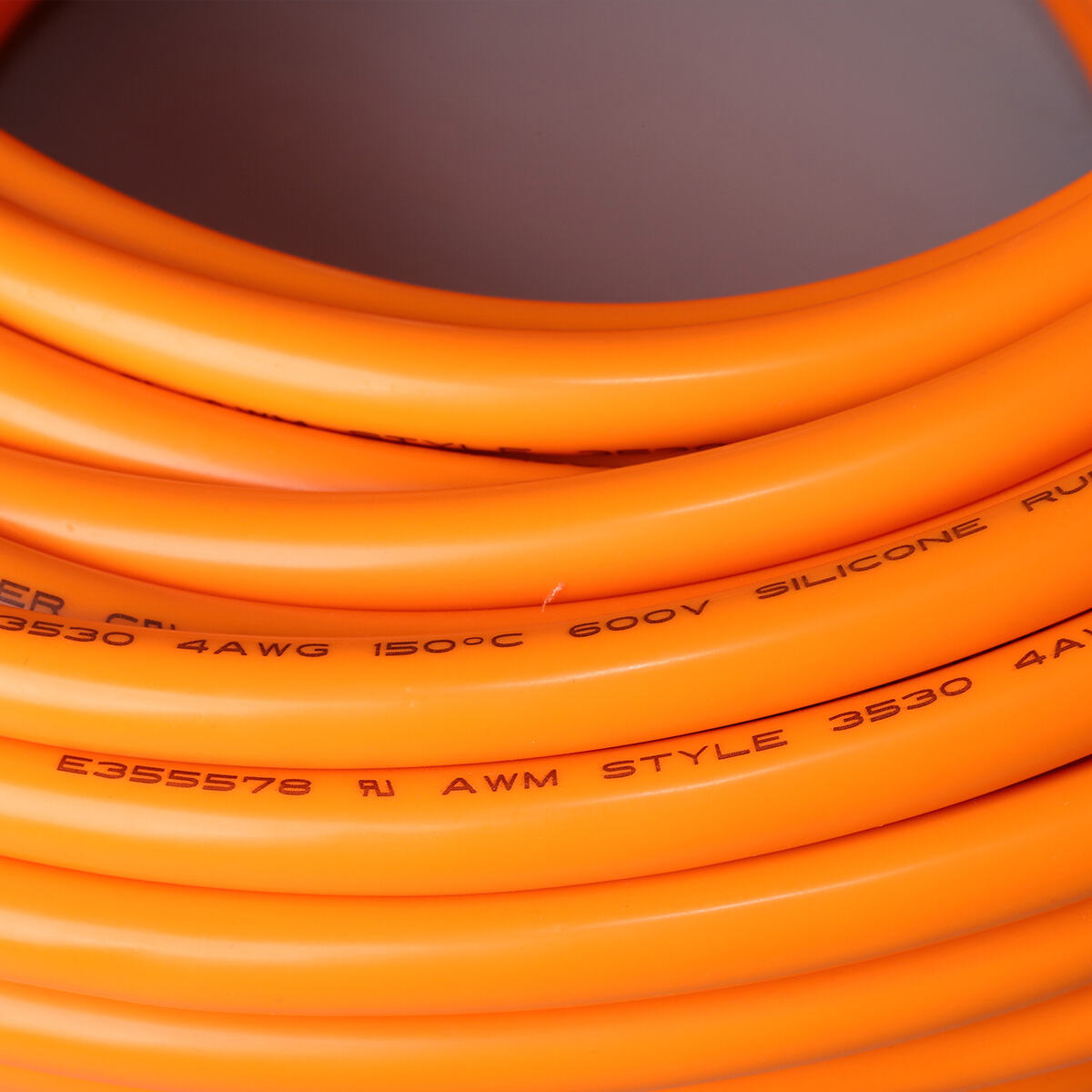
Check for proper markings on the wire jacket that identify the manufacturer, wire specifications, temperature rating, and certification marks. Counterfeit or substandard products often lack proper certifications or display falsified markings that could lead to safety hazards and code violations.
Installation Code Compliance
Ensure the selected 6 awg copper wire meets the requirements of applicable electrical codes such as the National Electrical Code (NEC), Canadian Electrical Code (CEC), or relevant international standards. Code compliance affects not only safety but also insurance coverage and legal liability considerations.
Review any special installation requirements or restrictions that may apply to the specific wire type and installation location. Some specialized applications may require additional approvals or specific wire constructions to meet code requirements.
Quality Assurance and Supply Chain Verification
Manufacturer Reputation and Quality Systems
Research the manufacturer's reputation, quality management systems, and track record in producing 6 awg copper wire products. Established manufacturers typically maintain ISO 9001 certification and implement comprehensive quality control procedures throughout the manufacturing process.
Request quality documentation including mill test certificates, material composition reports, and electrical testing results. Reputable suppliers should provide traceability information that allows verification of raw material sources and manufacturing batch details.
Supply Chain Integrity and Authenticity
Verify the authenticity of 6 awg copper wire through authorized distribution channels to avoid counterfeit products that may not meet safety standards. Counterfeit wire often uses inferior copper alloys, inadequate insulation, or incorrect sizing that compromises performance and safety.
Establish relationships with authorized distributors who can provide proper documentation, warranty coverage, and technical support. Consider the supplier's inventory management practices and delivery capabilities to ensure project timeline requirements can be met without compromising quality.
FAQ
What is the typical current capacity of 6 AWG copper wire?
The ampacity of 6 AWG copper wire varies based on temperature rating and installation conditions. For 75°C rated wire in typical residential installations, the ampacity is 65 amperes, while 90°C rated wire can carry 75 amperes. However, these values must be adjusted for ambient temperature, conduit fill, and other derating factors according to electrical code requirements.
How do I verify the copper purity in 6 AWG wire?
Copper purity can be verified through mill test certificates provided by reputable manufacturers, which should indicate 99.9% pure copper content meeting ASTM B3 standards. Visual inspection may reveal surface oxidation patterns, but definitive verification requires laboratory analysis or purchasing from certified suppliers with proper quality documentation.
What insulation types work best for outdoor 6 AWG copper wire installations?
Outdoor installations of 6 AWG copper wire typically require UV-resistant insulation materials such as XLPE or specialized outdoor-rated PVC compounds. Sunlight-resistant jackets prevent degradation from UV exposure, while moisture-resistant formulations protect against water infiltration. Always verify that the wire carries appropriate wet location ratings for outdoor use.
Can 6 AWG copper wire be used for both AC and DC applications?
Yes, 6 AWG copper wire can handle both AC and DC applications, but the specific insulation and temperature ratings must match the application requirements. DC applications may require different voltage ratings and insulation systems compared to AC installations. Solar panel systems and battery installations often use specialized 6 AWG copper wire designed for DC service with appropriate certifications.