EN
EN


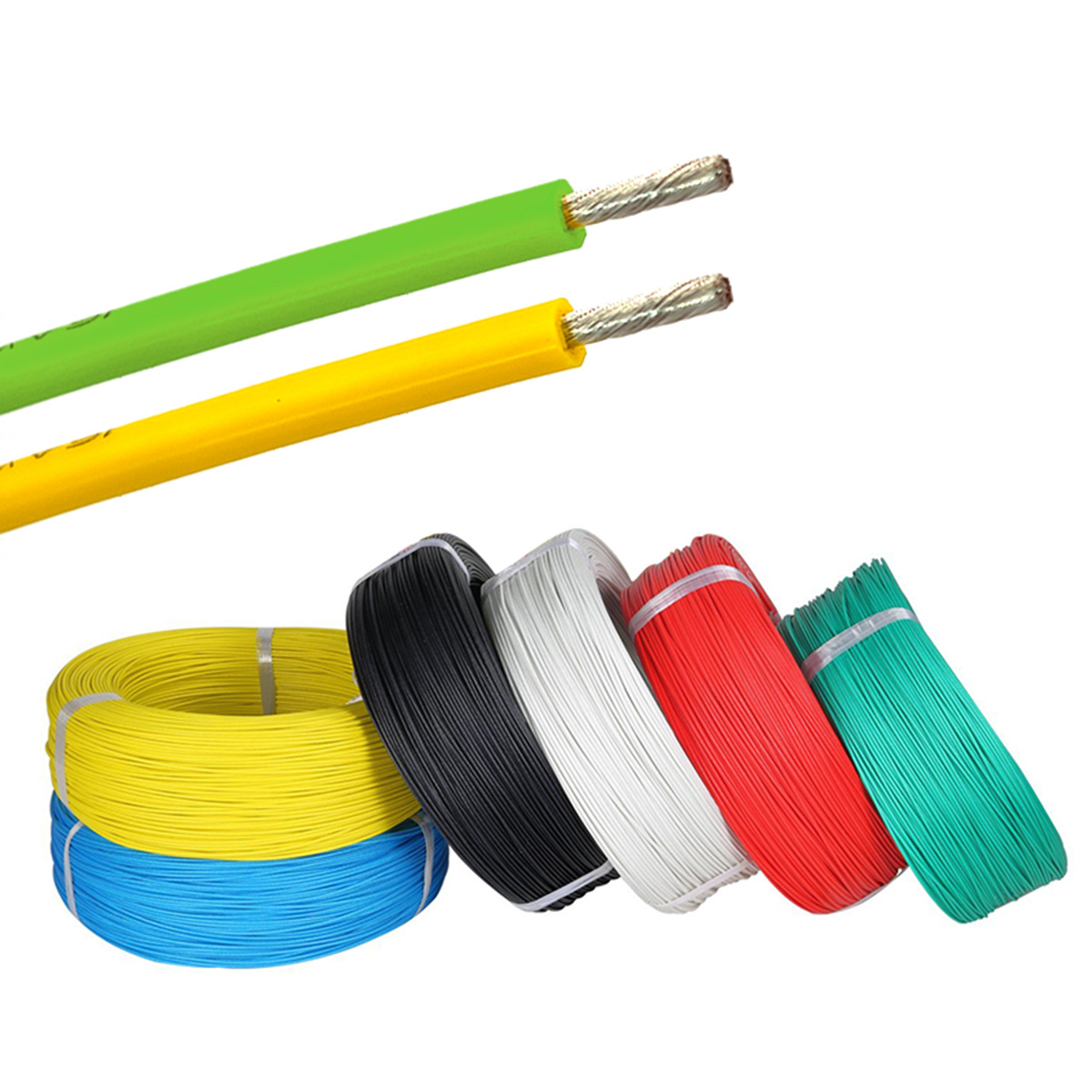
Selecting the right cable for your application is critical to ensuring safety, reliability, and long-term operational efficiency. One of the most versatile and durable options available in industrial and commercial settings is the UL flexible silicone cable. This specialized cable type combines exceptional flexibility with superior temperature resistance, making it an ideal choice for demanding environments where standard cables would fail. Understanding when to choose UL flexible silicone cable requires knowledge of its unique properties, appropriate use cases, and specific performance advantages over conventional alternatives.
The decision to invest in UL flexible silicone cable depends on several interconnected factors including operating temperature requirements, environmental exposure, mechanical stress conditions, and regulatory compliance needs. Industries ranging from aerospace and medical devices to automotive systems and industrial manufacturing rely heavily on this cable type to maintain equipment performance in extreme conditions. By recognizing the specific scenarios where UL flexible silicone cable delivers maximum value, you can make informed decisions that reduce maintenance costs, extend equipment lifespan, and ensure consistent safety compliance across your operations.
High-Temperature Operating Environments
Temperature Resistance as a Primary Selection Factor
The most compelling reason to choose UL flexible silicone cable lies in its exceptional thermal performance characteristics. Unlike conventional PVC or polyethylene cables that degrade rapidly above 80°C, a ul flexible silicone cable maintains its structural integrity and electrical properties across temperatures ranging from negative 60°C to positive 200°C or beyond. This extraordinary temperature range makes UL flexible silicone cable the preferred choice for applications involving furnaces, ovens, steam systems, and heat-generating industrial equipment where thermal fluctuations are constant.
When operating temperatures exceed 150°C, the advantages of selecting UL flexible silicone cable become dramatically evident. The silicone rubber insulation resists thermal degradation, maintains flexibility even when exposed to sustained heat, and prevents the brittleness and cracking that plague standard cable materials. For aerospace applications, medical device heating elements, and laboratory instrumentation, specifying ul flexible silicone cable ensures cables remain safe and functional throughout their intended service life without premature failure or safety hazards.
Chemical Resistance and Environmental Durability
Beyond temperature performance, ul flexible silicone cable offers outstanding resistance to oils, solvents, ozone, and various industrial chemicals that can rapidly degrade conventional cables. In manufacturing environments where machinery operates in the presence of hydraulic fluid leaks, solvent vapors, or aggressive cleaning compounds, choosing UL flexible silicone cable significantly extends cable service life. The silicone rubber formulation chemically resists degradation pathways that would compromise less robust cable materials within months or even weeks.
When you choose UL flexible silicone cable for chemically challenging environments, you gain protection against corrosion, swelling, and electrical property degradation. This resistance profile makes ul flexible silicone cable an intelligent investment in equipment locations where moisture, salt spray, or acidic atmospheres create hostile conditions for standard cables. Industries including chemical processing, food production with steam cleaning, and marine applications consistently demonstrate that selecting the right ul flexible silicone cable prevents expensive equipment downtime and safety incidents.
Mechanical Flexibility and Installation Requirements
Space-Constrained Applications and Routing Challenges
The inherent flexibility of UL flexible silicone cable makes it invaluable when installation space is limited or cable routing requires tight bends and complex path navigation. Unlike rigid or semi-rigid cables, a ul flexible silicone cable can accommodate bend radii that would normally require expensive conduit systems or routing modifications. This flexibility characteristic means you can choose UL flexible silicone cable to simplify installation procedures, reduce material costs for support infrastructure, and accelerate deployment timelines in retrofit or space-constrained projects.
Medical device manufacturers, laboratory equipment builders, and compact industrial control systems frequently choose UL flexible silicone cable specifically because it can navigate tight spaces around moving components without damage or performance degradation. The combination of thermal protection and mechanical flexibility ensures that ul flexible silicone cable performs reliably even when subjected to repeated flexing, vibration, or dynamic movement. When your application requires both thermal resilience and installation flexibility, selecting UL flexible silicone cable addresses both requirements simultaneously without requiring expensive workarounds or compromise solutions.
Durability Under Mechanical Stress
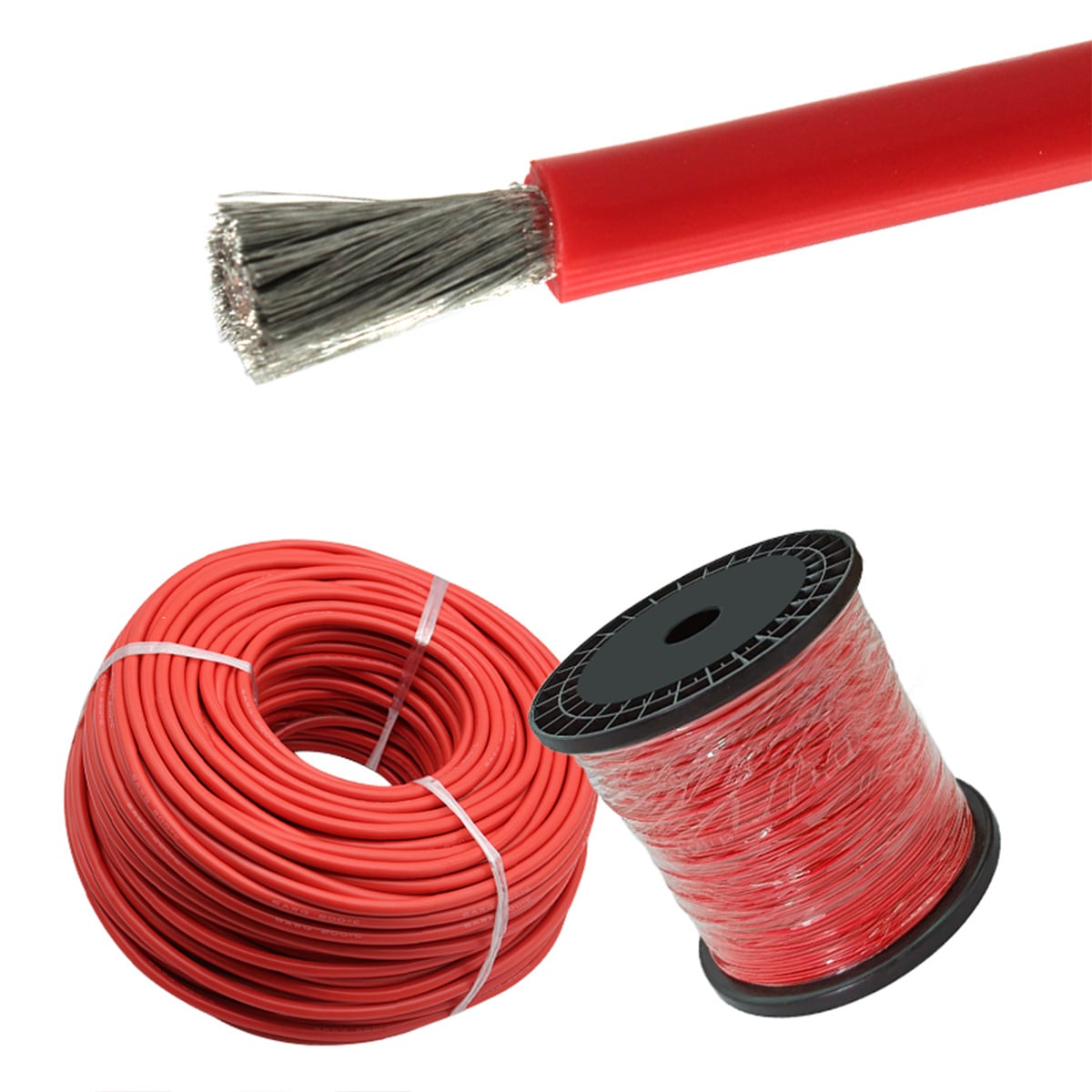
Equipment that experiences vibration, frequent movement, or mechanical stress demands cables capable of withstanding repeated flexing without developing cracks, tears, or internal wire breakage. When you choose UL flexible silicone cable for such applications, you gain assurance that the cable jacket and insulation will maintain integrity across millions of flexing cycles. The silicone rubber formulation resists fatigue cracking and remains pliable rather than becoming brittle over extended service periods, making ul flexible silicone cable ideal for robotics, automated manufacturing systems, and portable equipment applications.
Applications involving cable reels, retractable systems, or frequent repositioning benefit significantly when you choose UL flexible silicone cable over standard alternatives. The material science advantages of silicone rubber ensure that your ul flexible silicone cable maintains consistent flexibility and electrical performance across thousands of operational hours, translating into reduced maintenance interventions and extended time-between-replacement cycles that boost operational productivity.
Regulatory Compliance and Safety Standards
UL Certification and Industry-Specific Requirements
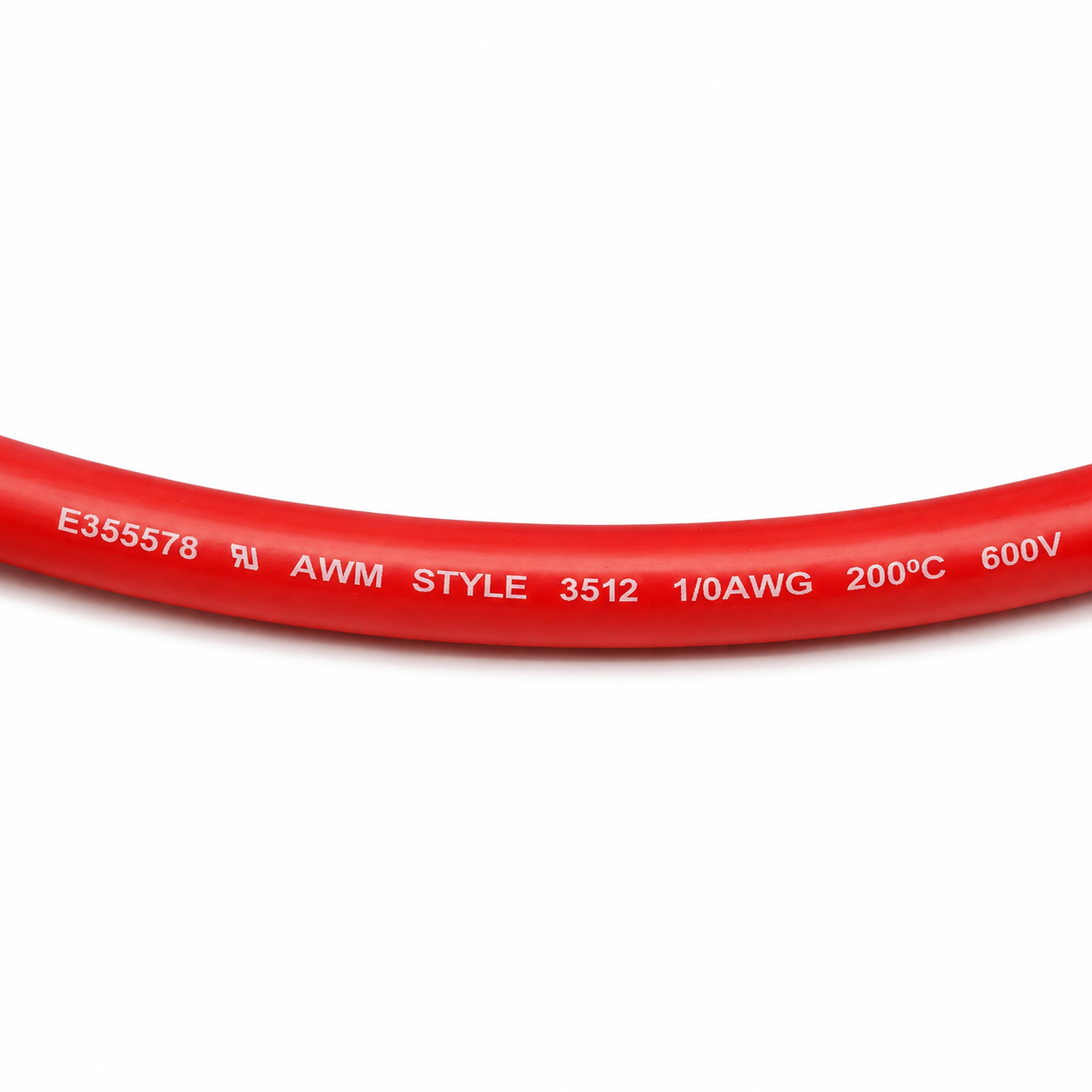
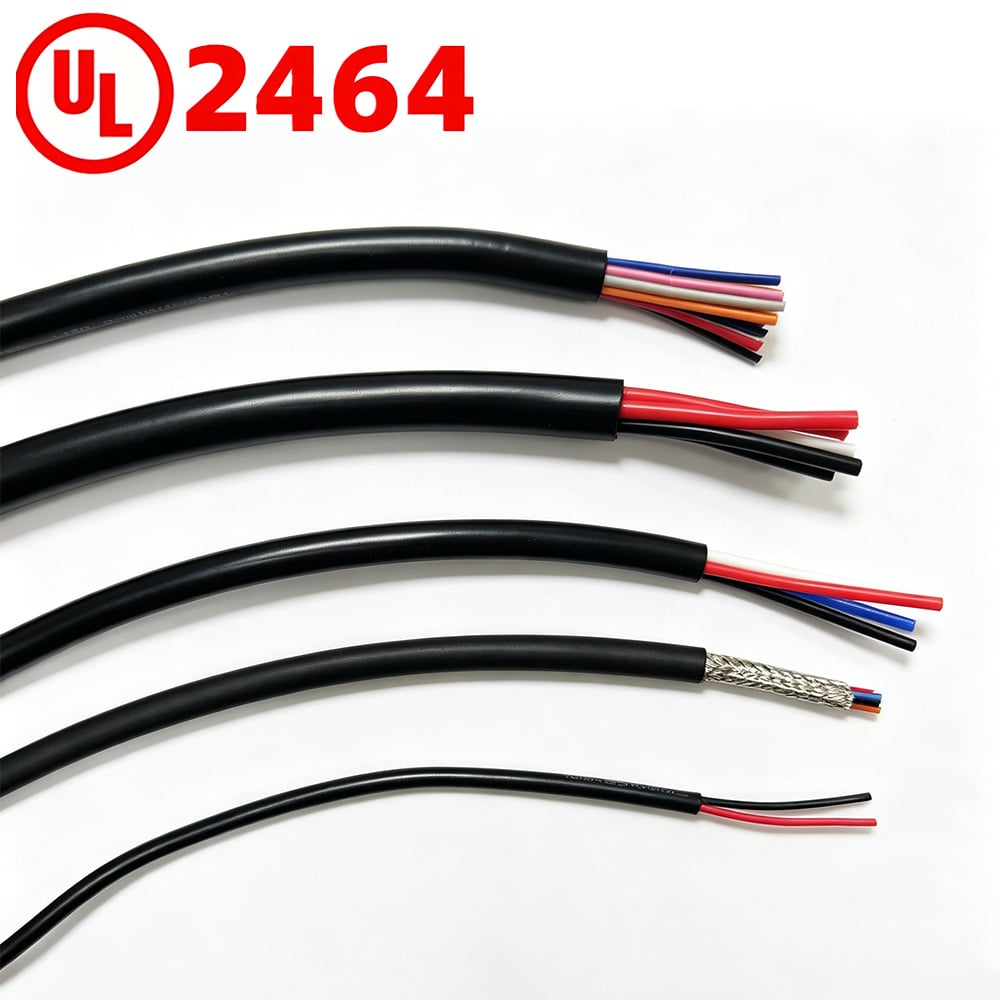
When you choose UL flexible silicone cable, you immediately satisfy stringent safety and performance standards mandated by regulatory agencies and industry associations. The UL certification marks indicate that your ul flexible silicone cable has undergone rigorous testing for electrical safety, thermal stability, flame resistance, and material composition compliance. Industries including medical devices, aerospace systems, and regulated manufacturing environments have no practical alternative to selecting UL flexible silicone cable when compliance requirements demand certified cable solutions that meet specific international standards.
Choosing UL flexible silicone cable ensures your installations meet or exceed requirements established by agencies such as the FDA for medical applications, FAA for aerospace systems, and various industrial safety organizations requiring flame-retardant cable materials. The ul flexible silicone cable certification provides documented proof of regulatory compliance, simplifies audit processes, and protects your organization from liability concerns related to cable failure or safety incidents. This compliance advantage frequently justifies the premium cost associated with selecting UL flexible silicone cable for critical applications where regulatory approval represents a non-negotiable project requirement.
Quality Assurance and Performance Verification
Organizations that choose UL flexible silicone cable gain access to documented performance data, third-party verification, and reproducible quality standards that generic or uncertified cables cannot provide. Every ul flexible silicone cable manufactured by reputable suppliers undergoes batch testing for electrical conductivity, insulation resistance, flame propagation, and thermal characteristics, ensuring consistent performance across production runs. When specifications demand absolute confidence in cable performance, choosing UL flexible silicone cable provides the quality assurance infrastructure that protects your investment and operational reliability.
The transparency and traceability embedded in ul flexible silicone cable production processes mean you can confidently specify these cables for mission-critical applications where cable failure creates unacceptable consequences. By selecting UL flexible silicone cable, you access supply chain documentation, material certifications, and performance reports that demonstrate your procurement decisions aligned with industry best practices and regulatory expectations. This quality verification dimension makes choosing UL flexible silicone cable a strategic decision that protects organizational reputation and operational continuity.
FAQ
At what temperature does choosing UL flexible silicone cable become essential rather than optional?
When operating temperatures consistently exceed 100°C, choosing UL flexible silicone cable transitions from an optional upgrade to a practical necessity for reliable long-term performance. Standard PVC cables begin experiencing significant thermal degradation above 80°C, while a ul flexible silicone cable maintains full functionality to 200°C and beyond. For applications involving sustained temperatures above 120°C, specifying UL flexible silicone cable prevents premature failure, ensures safety compliance, and eliminates costly maintenance interventions associated with standard cable materials degrading in high-heat environments.
How does choosing UL flexible silicone cable impact installation time and project costs?
Selecting UL flexible silicone cable often reduces installation complexity and overall project costs despite the higher per-unit cable price because of superior bend radius capabilities that eliminate expensive conduit systems and routing modifications. The ul flexible silicone cable flexibility allows technicians to navigate tight spaces, work around existing equipment, and complete installations faster than rigid alternative cables require. Additionally, the extended service life and reduced maintenance frequency associated with choosing UL flexible silicone cable deliver long-term cost advantages that typically exceed the initial premium investment within three to five years of operational service.
Can you use standard cables instead of choosing UL flexible silicone cable in high-temperature applications?
While standard cables cost less initially, choosing to use them in high-temperature applications typically results in premature failure, safety hazards, and expensive emergency repairs that quickly exceed the cost difference of specifying ul flexible silicone cable from project inception. Standard PVC or polyethylene cables become brittle, crack, and fail electrically when exposed to temperatures above their rated specifications, creating fire hazards and operational disruptions that choosing UL flexible silicone cable prevents entirely. For safety-critical, high-temperature, or regulated applications, the practical answer is that choosing UL flexible silicone cable represents the only viable long-term solution that satisfies performance, safety, and compliance requirements simultaneously.