EN
EN


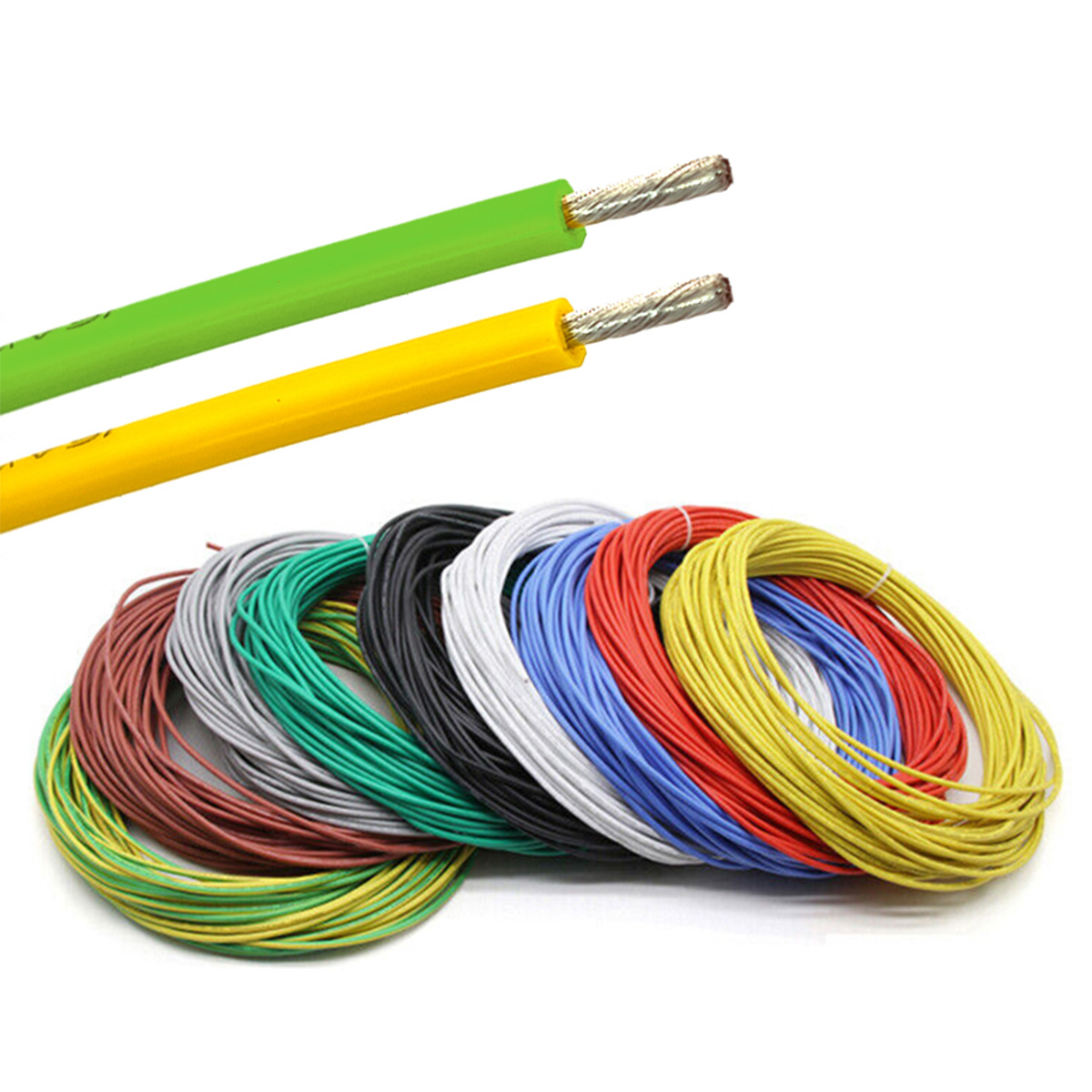
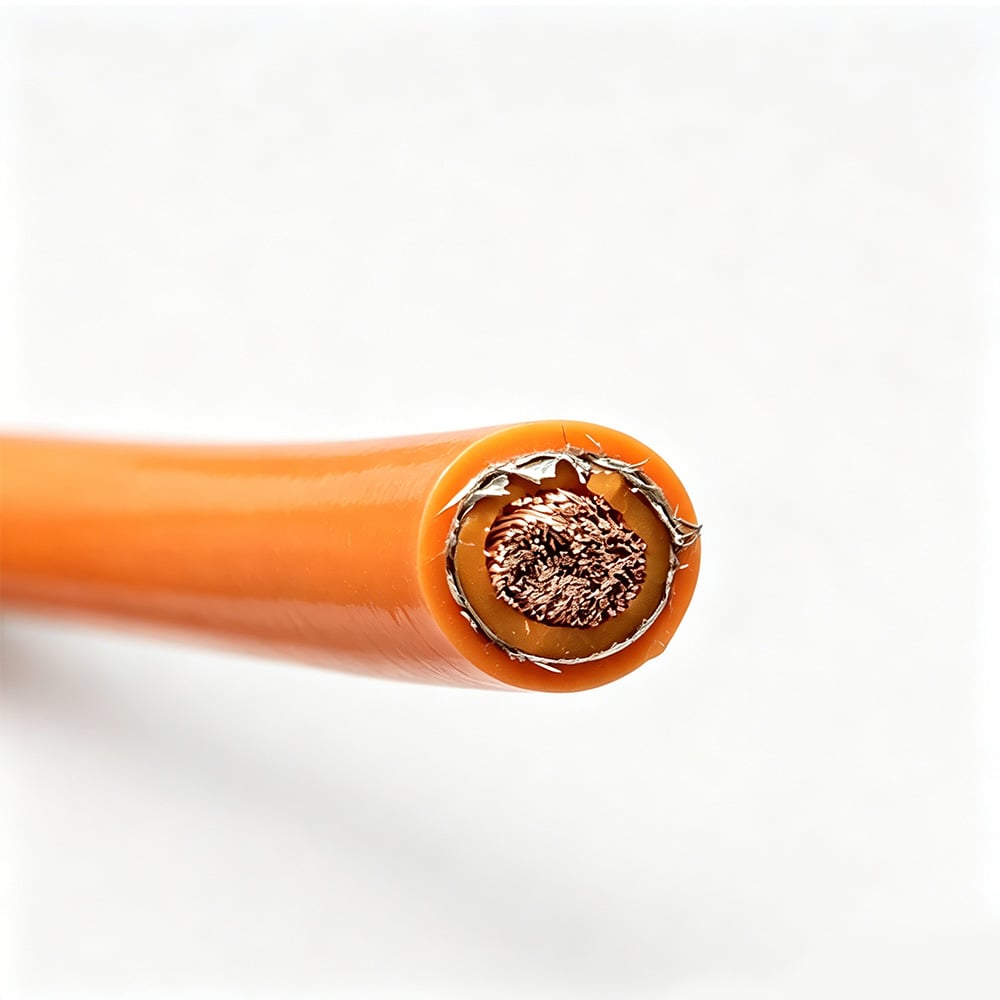
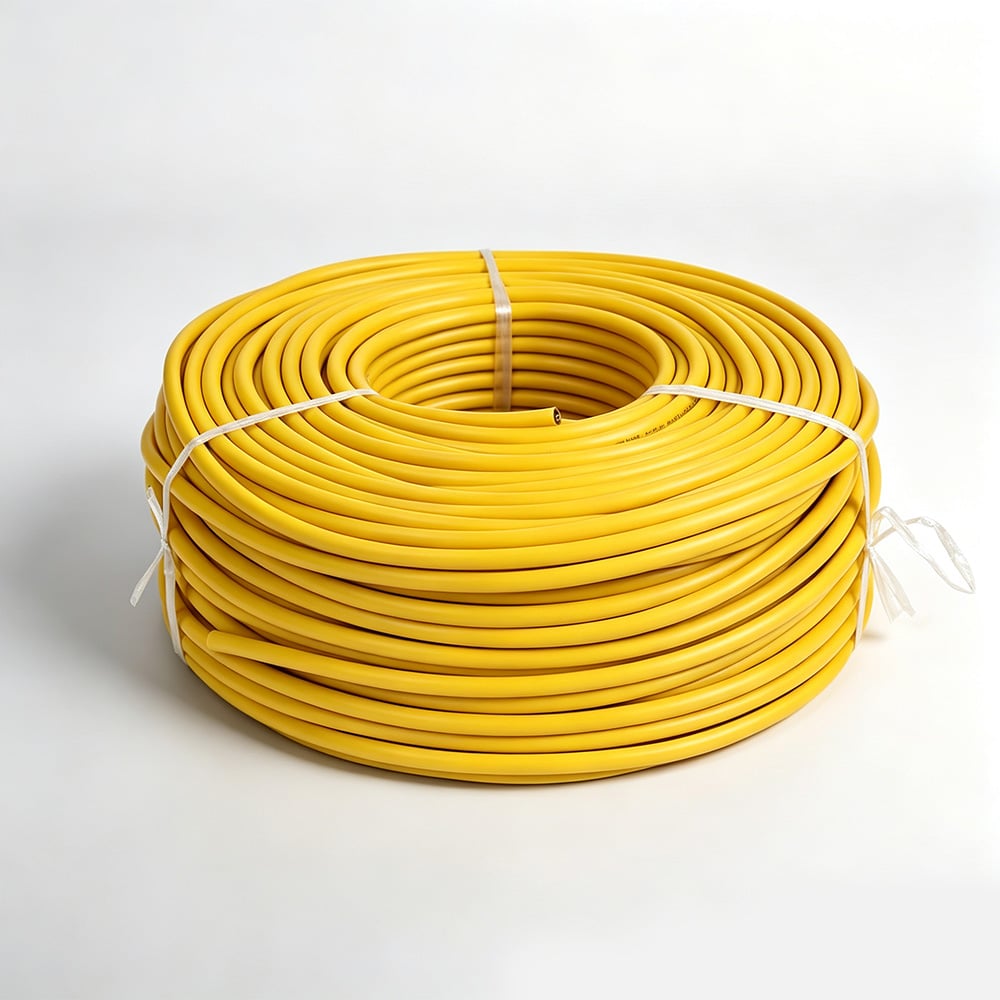
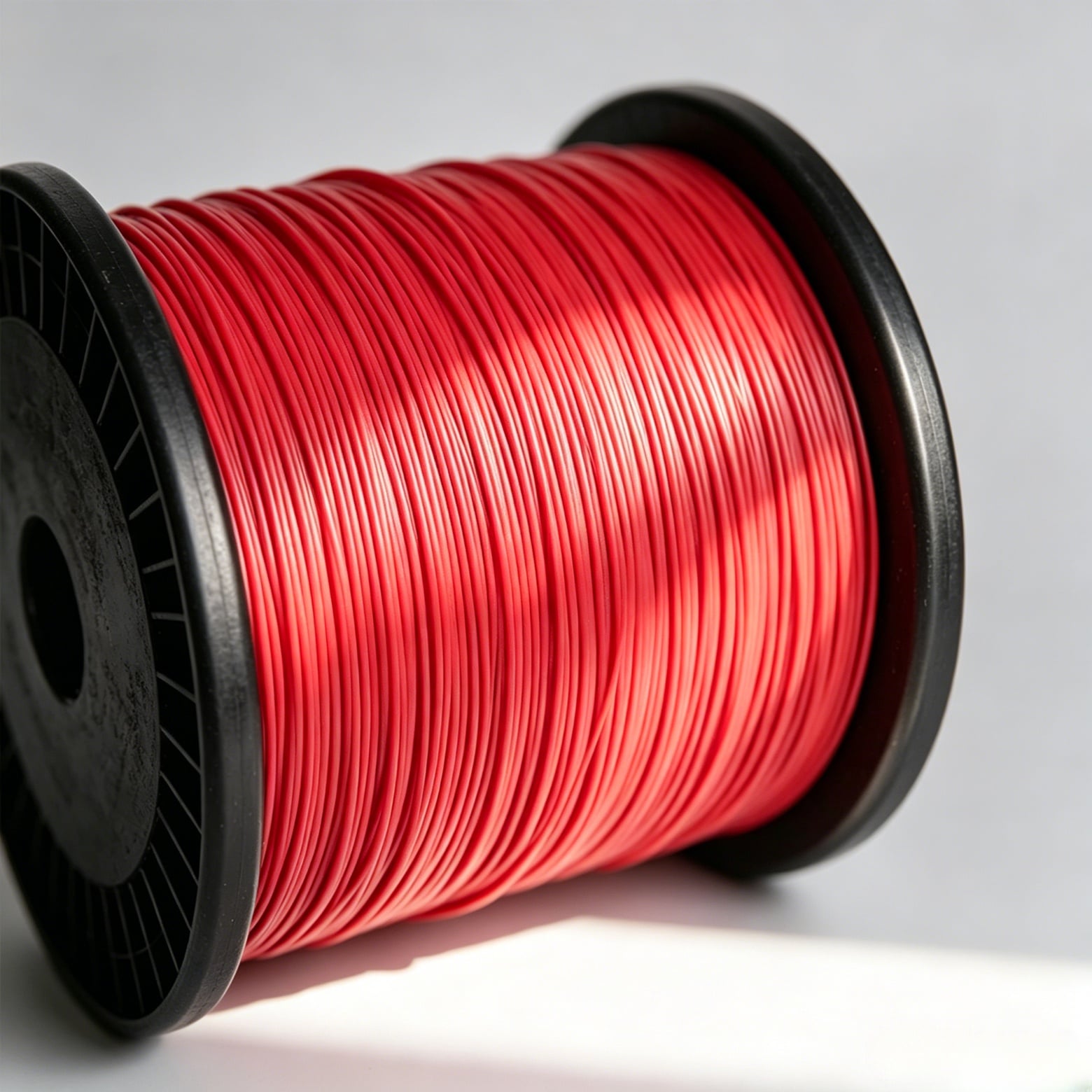
In demanding industrial and commercial applications, standard electrical wiring often fails prematurely when exposed to extreme temperatures, chemical solvents, oil, moisture, and mechanical stress. A ul flexible silicone cable solves this critical reliability problem by combining superior material science with UL certification standards, making it the preferred choice for engineers and manufacturers facing harsh operational conditions.
The distinction between ul flexible silicone cable and conventional PVC or rubber insulation lies in the fundamental material properties that silicone offers. Unlike standard polymers that degrade rapidly under thermal cycling, chemical exposure, and UV radiation, silicone maintains its electrical and mechanical integrity across wide temperature ranges and hostile environments. This makes ul flexible silicone cable essential for applications where wire failure risks equipment damage, production downtime, or safety hazards.
Superior Temperature Performance and Thermal Stability
Extended Operating Range Beyond Standard Limits
A ul flexible silicone cable maintains functionality across temperature extremes that would render conventional wiring brittle or melted. Standard PVC insulation typically fails at temperatures above 80°C and becomes rigid at temperatures below -10°C. In contrast, ul flexible silicone cable operates safely from -60°C to +200°C, with some specialized formulations reaching +250°C. This exceptional thermal resilience eliminates the need for expensive rewiring during seasonal changes or equipment relocations to different climate zones. Industrial furnaces, cryogenic systems, automotive engine compartments, and aerospace applications all depend on ul flexible silicone cable because conventional wires cannot withstand these thermal stresses without cracking, insulation breakdown, or complete failure.
Thermal Cycling Resistance and Long-Term Durability
Repeated heating and cooling cycles cause conventional cable insulation to develop micro-fractures that gradually expose the conductive core. A ul flexible silicone cable resists thermal cycling degradation far better than standard alternatives because silicone polymer chains retain flexibility and elasticity even after thousands of temperature cycles. This property directly extends cable lifespan in applications with frequent thermal fluctuations, such as industrial ovens, welding equipment, and engines. The ul flexible silicone cable maintains its dielectric properties longer, reducing the risk of electrical faults, cross-contamination between wires, and unexpected equipment shutdowns.
Chemical Resistance and Environmental Protection
Oil, Solvent, and Corrosive Exposure Handling
Manufacturing environments expose cables to oils, fuels, hydraulic fluids, cleaning agents, and various chemical compounds that rapidly degrade PVC and standard rubber insulation. A ul flexible silicone cable resists these chemical attacks because silicone polymer does not absorb or swell when exposed to most petroleum products, alcohols, and weak acids. Food processing facilities, automotive assembly lines, pharmaceutical manufacturing, and chemical plants all benefit from ul flexible silicone cable because it eliminates the risk of insulation failure from accidental chemical spills or operational exposure. The ul flexible silicone cable maintains its structural integrity and electrical properties even after prolonged contact with aggressive solvents.
Moisture and Salt Spray Resistance
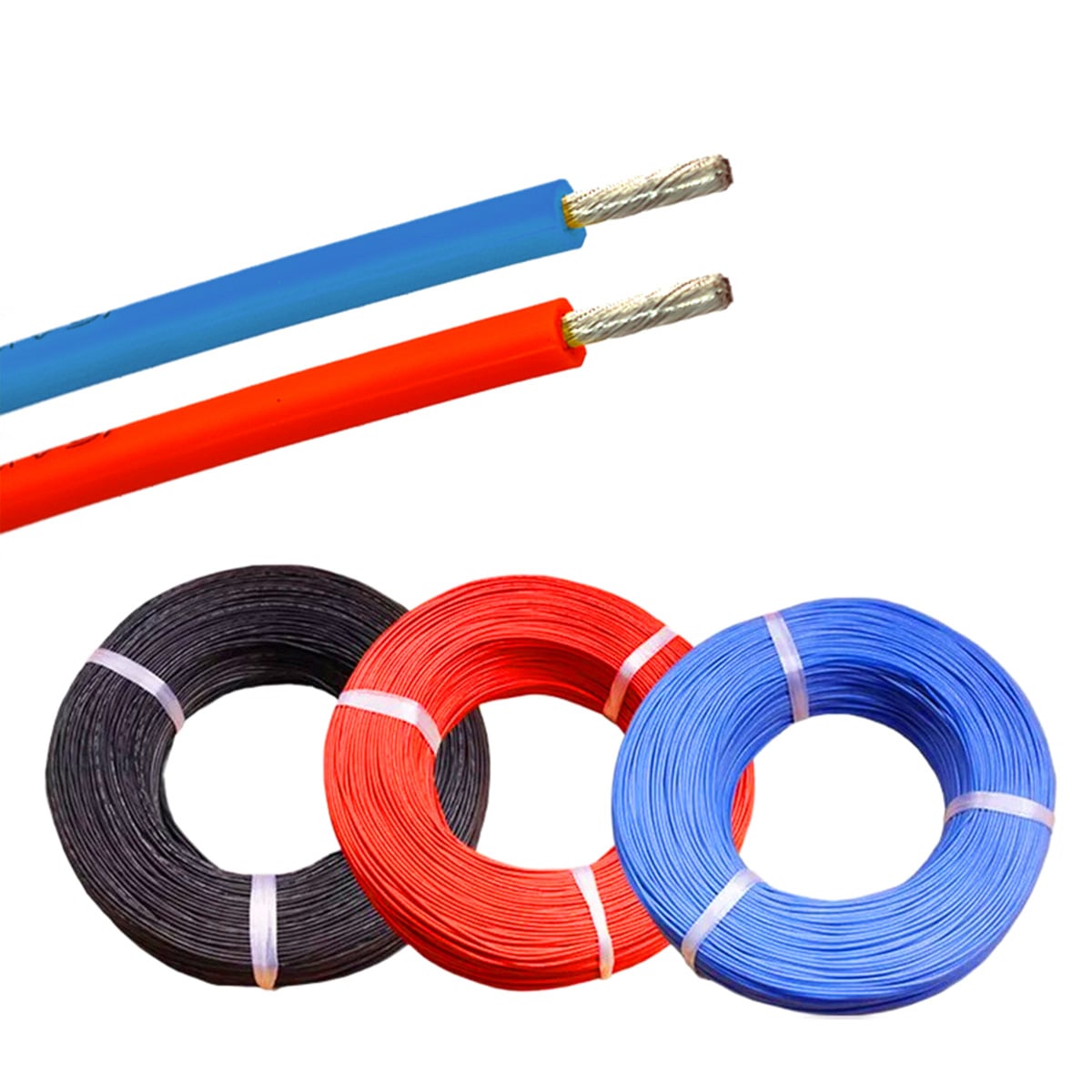
Coastal industrial facilities, maritime equipment, and outdoor installations face relentless moisture infiltration and salt corrosion that compromises standard cable performance. A ul flexible silicone cable exhibits superior hydrophobic properties compared to PVC or rubber alternatives because silicone does not absorb water molecules into its polymer matrix. This moisture resistance prevents the conductive pathways that lead to electrical leakage, corrosion of the conductor, and insulation failure. Applications in marine environments, offshore drilling platforms, and seaside manufacturing plants rely on ul flexible silicone cable to maintain electrical safety and equipment reliability under extreme humidity and salt spray exposure.
Mechanical Flexibility and Installation Advantages
Superior Bend Radius and Handling Characteristics
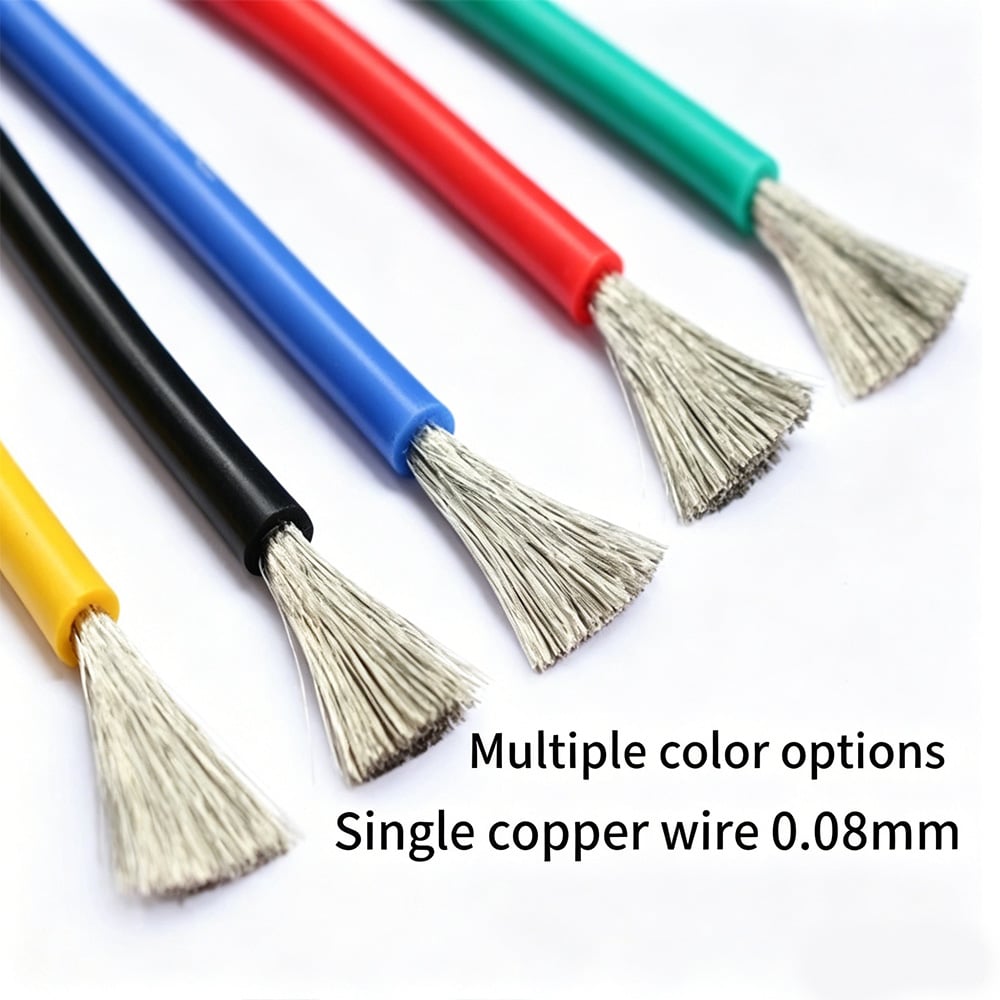
The term 'flexible' in ul flexible silicone cable reflects a genuine engineering advantage that goes beyond marketing language. Silicone insulation remains pliable across the entire specified temperature range, allowing ul flexible silicone cable to be routed through tight spaces, wrapped around moving components, and installed in confined equipment compartments without cracking or becoming brittle. Standard PVC cable becomes rigid in cold environments and cracks when bent repeatedly, requiring protective conduit and limiting installation flexibility. A ul flexible silicone cable reduces installation time, labor costs, and the need for protective housing while maintaining safety standards and electrical performance.
Reduced Installation Costs and Design Freedom
Design engineers appreciate ul flexible silicone cable because its flexibility enables innovative equipment layouts that would be impossible with stiff conventional wiring. The ability to bend ul flexible silicone cable to tight radiuses without damage allows engineers to minimize wire routing distances, reduce connector requirements, and simplify assembly procedures. Manufacturing facilities achieve faster equipment installation cycles and lower labor costs when using ul flexible silicone cable compared to rigid PVC alternatives that require extensive conduit systems and protective housings. This flexibility also permits equipment redesign without expensive cable replacement, extending the useful life of industrial machinery.
UL Certification and Compliance Standards
Safety Certification and Regulatory Requirements
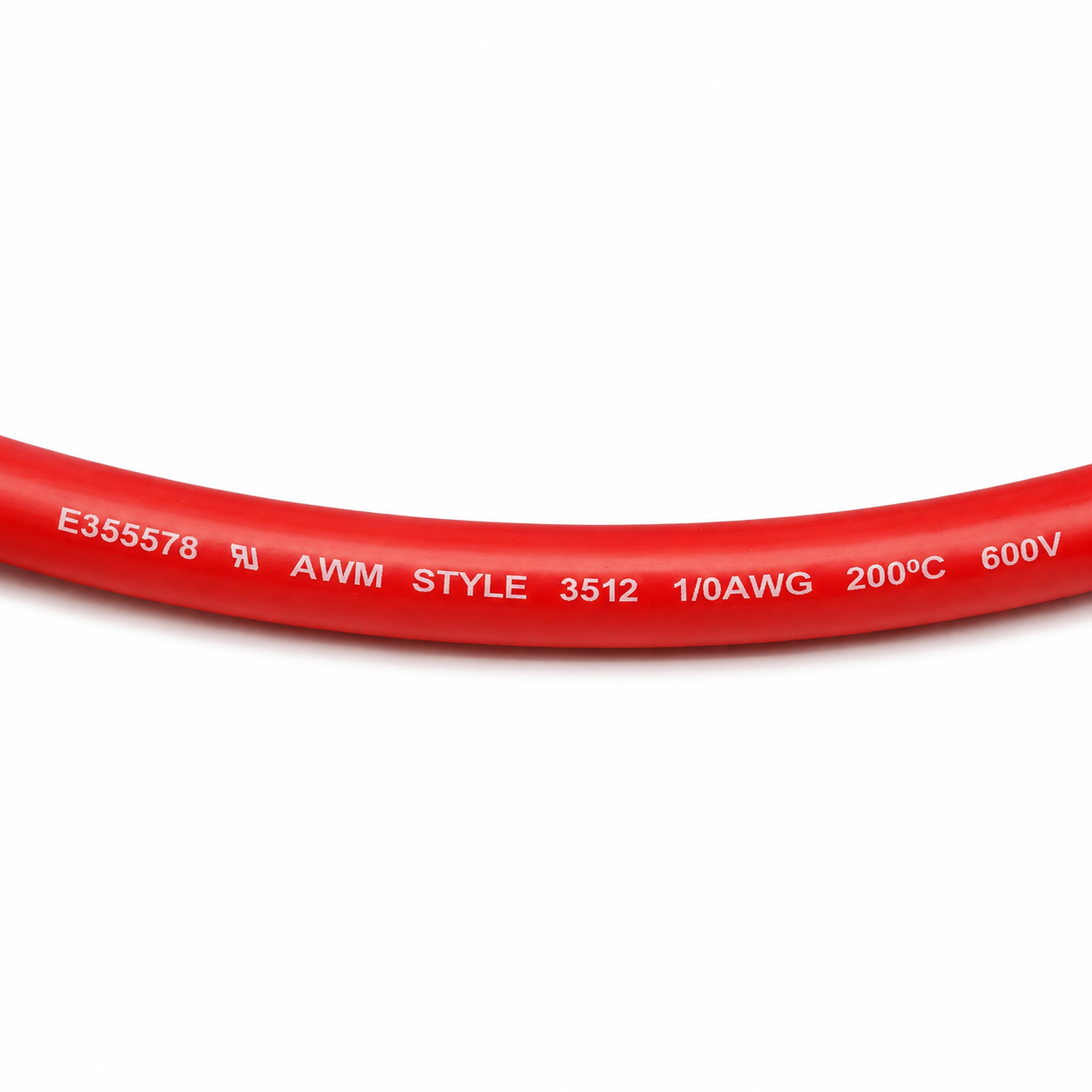
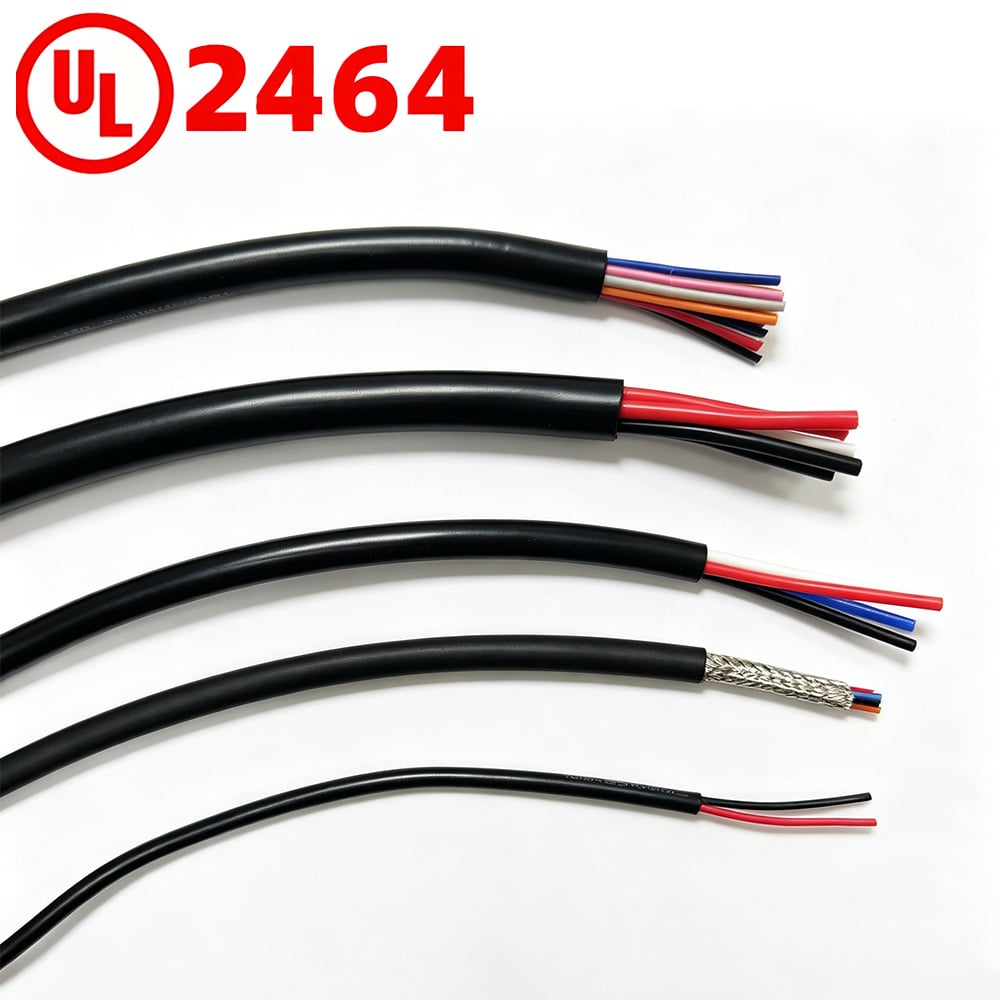
The 'UL' designation in ul flexible silicone cable indicates that the cable has undergone rigorous testing by Underwriters Laboratories to verify safety performance under specified conditions. UL certification of ul flexible silicone cable covers flame resistance, electrical safety, temperature rating accuracy, and insulation strength under normal and fault conditions. Equipment manufacturers in regulated industries including medical devices, industrial controls, aerospace, and automotive applications require ul flexible silicone cable because it demonstrates compliance with safety standards that customers, inspectors, and regulatory agencies recognize and accept. This certification eliminates additional testing burdens and accelerates product approval processes for customers integrating ul flexible silicone cable into their equipment.
Industry Standards and Competitive Advantage
Specifying ul flexible silicone cable in equipment designs provides clear competitive advantages when bidding on industrial contracts and equipment supply agreements. Customers consistently prefer equipment built with certified, high-reliability components, and ul flexible silicone cable demonstrates commitment to quality, safety, and long-term performance. Industries including semiconductors, pharmaceuticals, food processing, and heavy manufacturing explicitly require UL-certified wiring in their procurement specifications. By standardizing on ul flexible silicone cable, equipment manufacturers reduce warranty claims, improve customer satisfaction, and build reputation for reliability in demanding applications.
FAQ
What specific harsh environments benefit most from ul flexible silicone cable?
Ul flexible silicone cable delivers maximum value in applications combining multiple stress factors: extreme temperatures, chemical exposure, moisture, and mechanical flexing. Food processing facilities, automotive manufacturing, chemical plants, aerospace systems, marine equipment, and industrial furnaces represent primary beneficiaries. Ul flexible silicone cable prevents costly equipment failures, production shutdowns, and safety hazards in these demanding environments where conventional PVC wiring simply cannot survive.
How does ul flexible silicone cable compare to standard PVC cable in total cost of ownership?
Although ul flexible silicone cable carries higher initial material costs than PVC alternatives, the total cost of ownership typically favors silicone in harsh environments. Ul flexible silicone cable eliminates expensive emergency replacements, reduces unplanned equipment downtime, minimizes protective conduit requirements, and extends equipment lifespan significantly. Facilities that have converted to ul flexible silicone cable consistently report lower maintenance costs and improved operational reliability that justify the initial premium investment.
Can ul flexible silicone cable be used in all industrial applications or are there limitations?
While ul flexible silicone cable excels in harsh, chemically aggressive, and thermally extreme environments, standard PVC wiring remains appropriate for controlled indoor installations with stable temperatures and clean conditions. Ul flexible silicone cable specifications include voltage ratings, amperage capacity, and mechanical specifications suited to specific applications. Engineers should consult technical datasheets and UL certifications to ensure ul flexible silicone cable meets their particular voltage requirements, environmental exposure, and installation constraints before final selection.