EN
EN


In modern electronics, the choice of wiring directly shapes how reliably a device performs over its lifetime. A ul flexible silicone cable is engineered to meet the specific demands of electronic assemblies where heat, repeated movement, and tight routing would quickly degrade conventional wiring. Understanding how this cable type actually works — not just what it is — helps engineers, procurement specialists, and product designers make smarter decisions at the design stage.
The functional logic behind ul flexible silicone cable is rooted in both material science and electrical engineering. The silicone insulation behaves differently from PVC or rubber in ways that are highly relevant to electronics applications. At the same time, the UL certification component adds a compliance dimension that affects everything from product safety approval to supply chain sourcing. This article explores the working mechanism of ul flexible silicone cable across its key functional roles in real-world electronic systems.
The Material Foundation That Makes Silicone Work
How Silicone Insulation Differs From Conventional Materials
The core reason ul flexible silicone cable performs well in electronics begins with the properties of silicone itself. Silicone is a polymer composed of alternating silicon and oxygen atoms, a structure that gives it unusually wide thermal stability. While PVC begins to soften and lose dielectric properties at temperatures above 70°C to 90°C, silicone insulation on a ul flexible silicone cable retains its shape, flexibility, and insulating function from approximately -60°C up to 200°C or beyond.
This thermal range is not just a specification advantage — it translates directly into operational reliability. In power electronics, LED driver boards, motor control circuits, and battery management systems, local temperatures around components can spike significantly during normal operation. A ul flexible silicone cable routed near a heat-generating component will resist thermal degradation where a PVC-insulated wire would crack, harden, or off-gas plasticizers over time.
Silicone also demonstrates excellent resistance to ozone, UV exposure, and many chemical agents. For electronics housed in enclosures where cleaning solvents or flux residues may be present, the ul flexible silicone cable resists surface attack that would compromise other insulation types. The material itself contributes to the long-term integrity of the electrical connection it protects.
The Role of the Conductor Construction
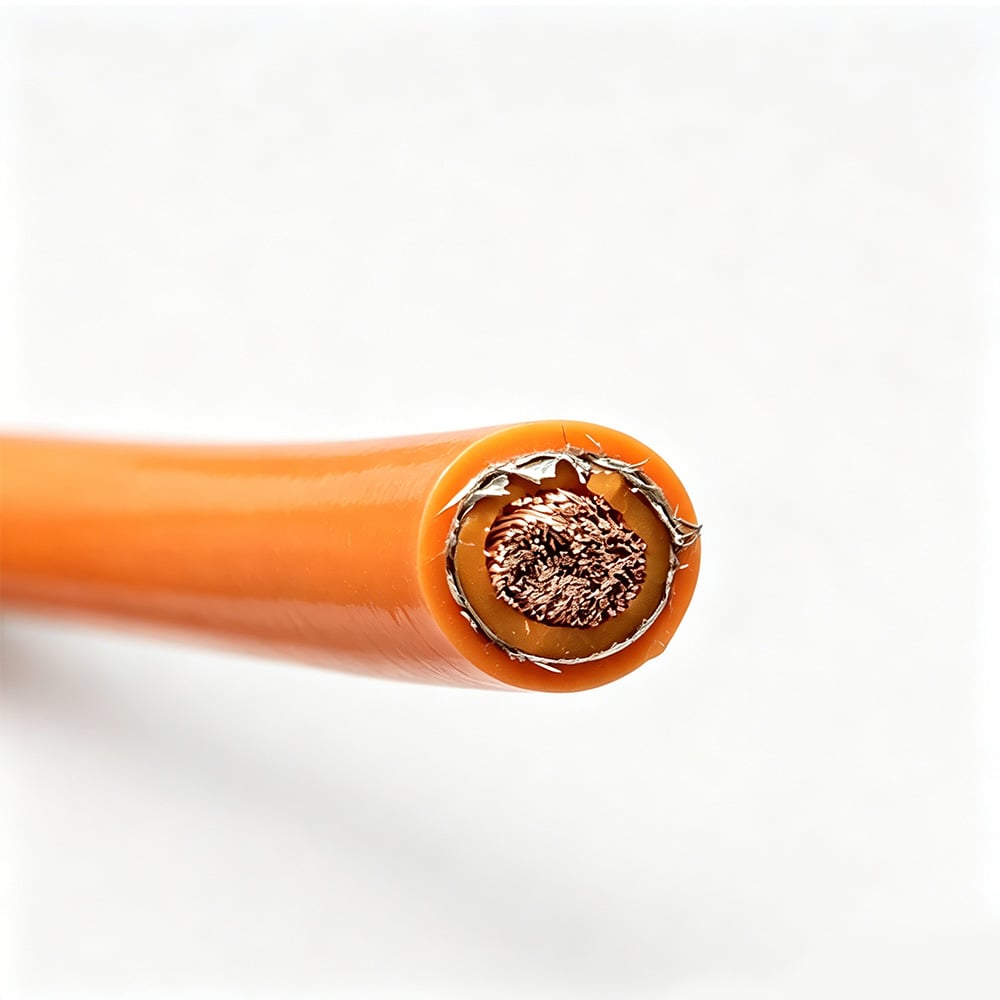
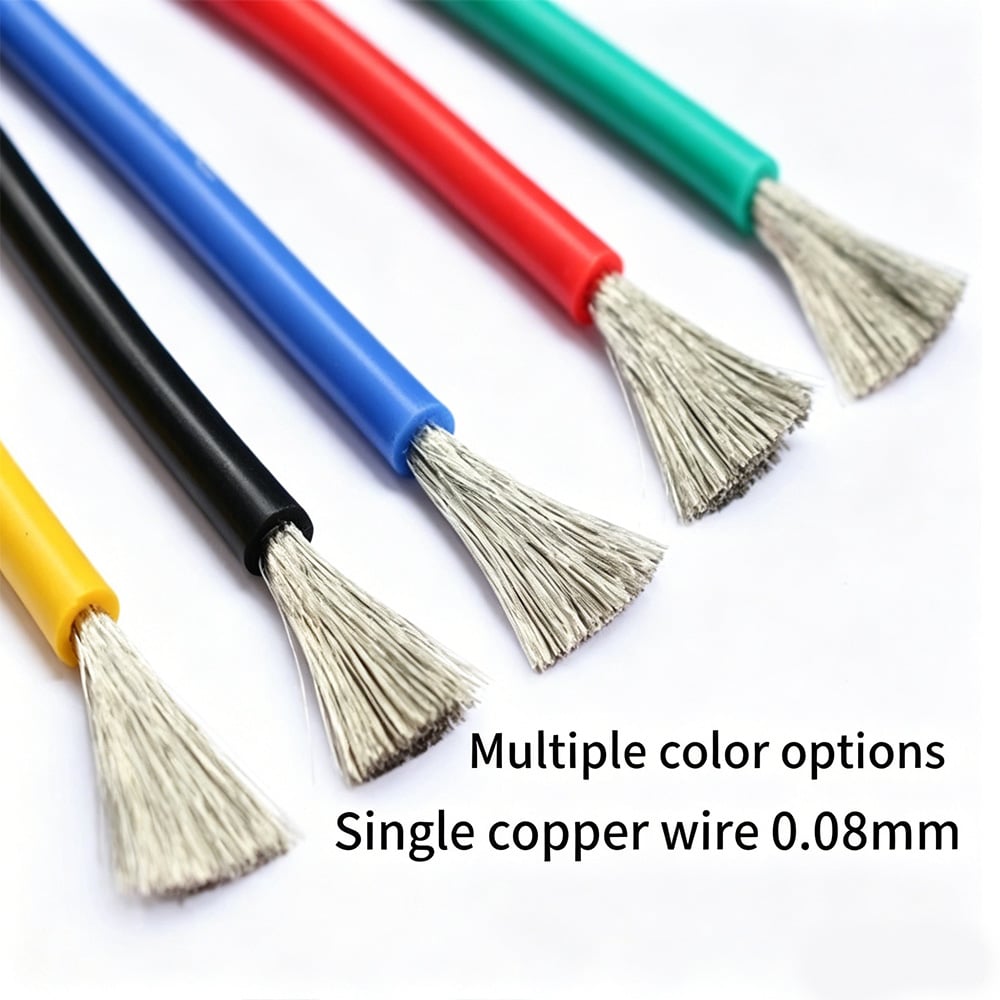
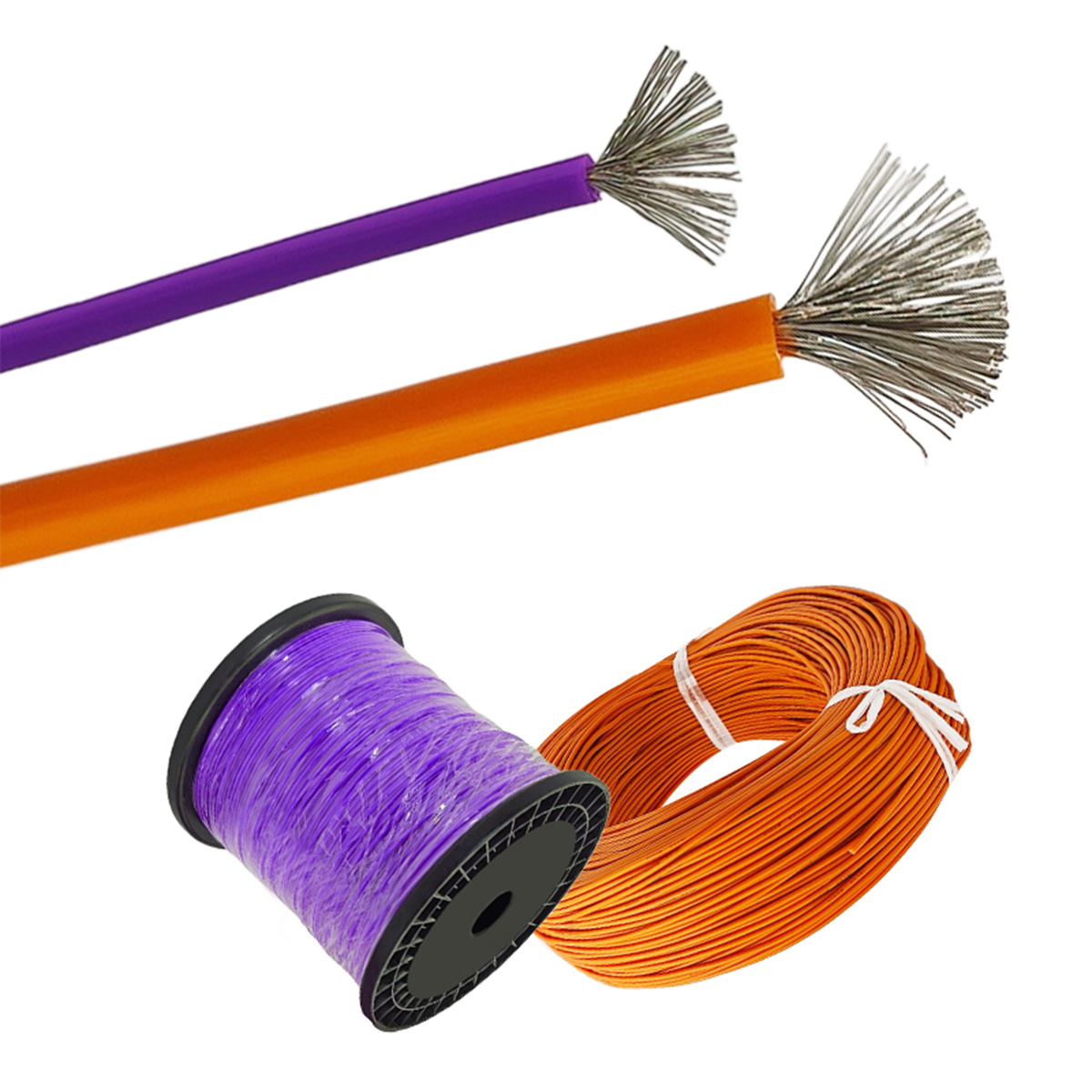
The conductor inside a ul flexible silicone cable is typically a finely stranded tinned copper configuration. The stranding — often built to a very high count of thin individual wires — is what delivers the mechanical flexibility the cable is named for. When the cable is bent, routed through a tight radius, or subjected to vibration, the individual strands distribute stress across a large number of contact points rather than concentrating it at one location.
Tinning the copper strands adds another layer of functional value. Tin plating slows the oxidation of copper at the strand surface, which is especially relevant in humid environments or where the cable will be soldered repeatedly during assembly. For ul flexible silicone cable used in electronics manufacturing, consistent solderability across the production life of the product is a practical benefit that simplifies assembly quality control.
The AWG gauge selection also matters. Fine gauges such as 24AWG, 26AWG, 28AWG, and 30AWG are common in electronics applications because they balance current-carrying capacity with the ability to route into compact connector housings and PCB terminations. The ul flexible silicone cable is designed so that this conductor construction works together with the silicone jacket to produce a cable that is simultaneously mechanically agile and electrically dependable.
How UL Certification Shapes the Cable's Working Standard
What UL Recognition Means for Electronics Use
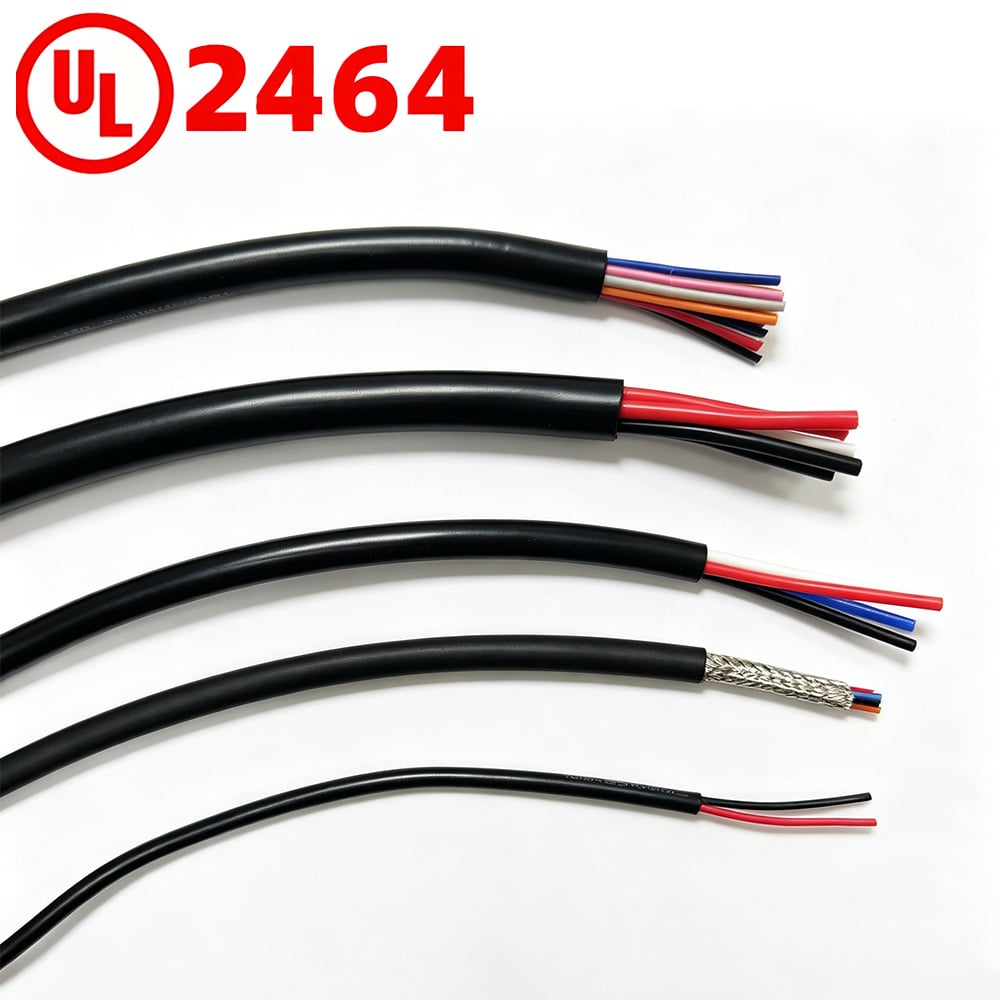
The 'UL' in ul flexible silicone cable refers to certification by Underwriters Laboratories, a globally recognized safety certification organization. For a wire or cable to carry UL recognition, it must pass a defined set of tests covering electrical performance, flammability, insulation integrity, and thermal endurance. The specific UL style number — such as UL 3135, which is a common designation for silicone-insulated wire — defines the exact parameters the cable has been tested and approved against.
In electronics, this certification works as a functional guarantee. When a design engineer specifies ul flexible silicone cable with a particular UL style number, they are selecting a cable whose electrical and thermal limits are defined by a standardized test protocol rather than a manufacturer's self-reported claim. This removes ambiguity from the specification process and provides a documented basis for product safety submissions.
For products that need UL listing at the finished device level, using UL-recognized components including ul flexible silicone cable simplifies the certification path. The test laboratory reviewing the product can reference the cable's UL recognition as evidence that the wiring meets applicable standards, rather than requiring independent retesting of the wire itself. This practical workflow benefit has made UL-recognized silicone cable a default choice in many electronics categories.
Voltage Rating, Temperature Rating, and Their Functional Implications
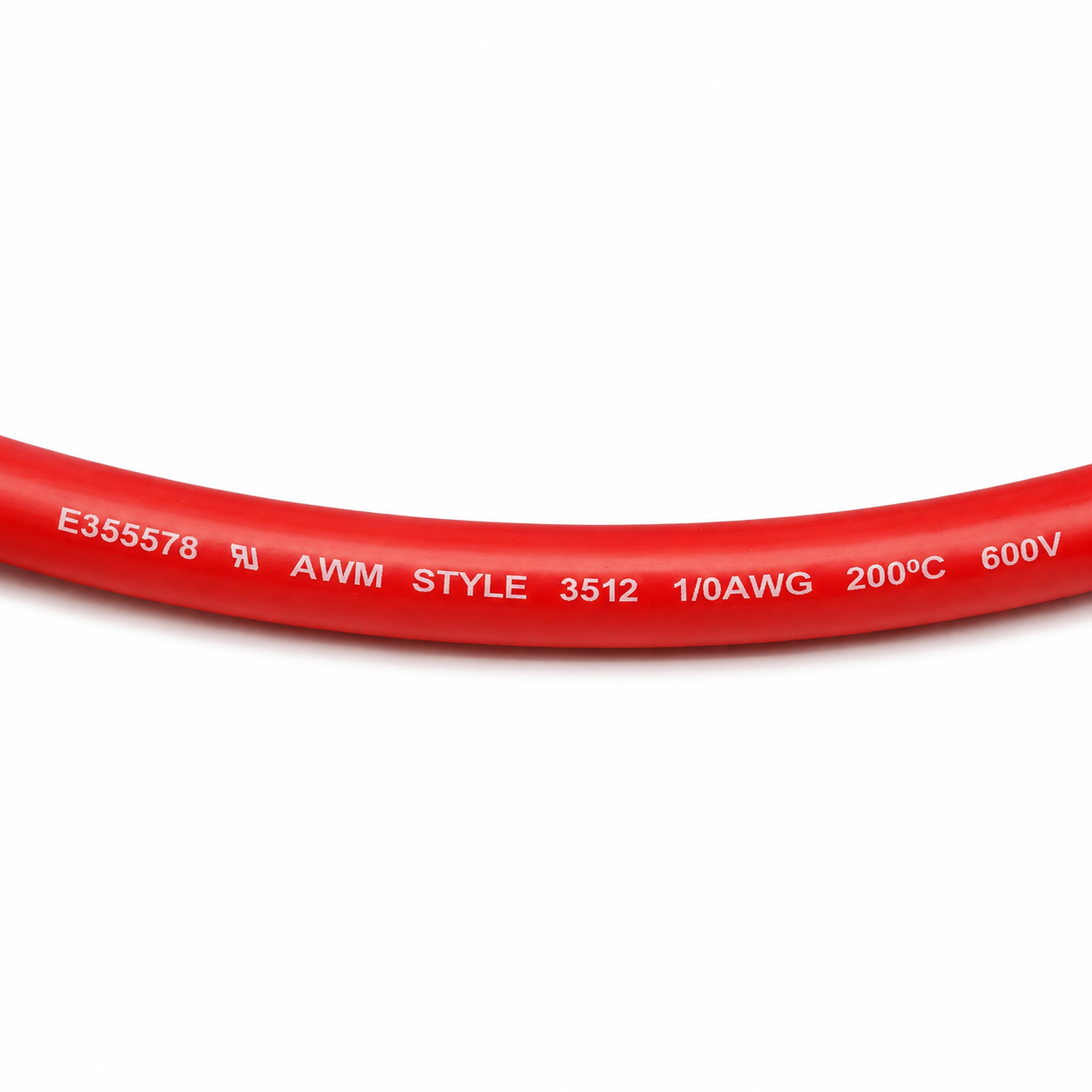
A ul flexible silicone cable carries defined ratings for both voltage and temperature, and these ratings reflect the actual working limits of the cable rather than theoretical maximums. A typical silicone wire rated at 600V and 200°C can be used confidently in applications that fall within those parameters without requiring derating calculations for the insulation material itself.
In electronics, the voltage rating is often more than sufficient — many low-voltage PCB interconnect and sensor wiring applications operate at 12V to 48V DC, well within the ul flexible silicone cable's rated range. The temperature rating, however, is frequently the deciding factor. Applications around heating elements, power converters, motor windings, and high-brightness lighting benefit directly from the cable's ability to sustain continuous exposure to elevated temperatures without insulation breakdown.
The UL certification framework also defines flammability behavior. A ul flexible silicone cable tested to UL 94 V-0 or equivalent flammability standards will self-extinguish after ignition rather than propagating flame. For electronics assemblies required to meet fire safety regulations, this property is not optional — it is a compliance requirement that the cable's UL rating directly satisfies.
Mechanical Flexibility and Its Effect on Electronic Assembly
Dynamic Flex Applications in Electronics
One of the defining working characteristics of ul flexible silicone cable is its ability to perform in dynamic flex environments — situations where the cable is repeatedly bent, twisted, or moved as part of normal product use. Robotic welding tools, articulated medical equipment, handheld test instruments, and wearable device charging cables all present dynamic flex conditions. In these cases, the cable is not installed once and left static; it moves continuously through its service life.
The combination of fine-stranded conductor and soft silicone insulation gives ul flexible silicone cable a flex life that significantly exceeds that of stiffer cable types. While a PVC-jacketed cable might show conductor fatigue or insulation cracking after thousands of flex cycles, a properly specified ul flexible silicone cable can sustain millions of cycles without mechanical failure. This durability translates directly into product reliability and reduced field failure rates.
For electronics designers working on portable or handheld devices, this flex endurance characteristic also affects the industrial design process. Because ul flexible silicone cable can tolerate tight bend radii, internal cable routing can follow the contours of a compact housing without requiring generous bend radius allowances. This allows more freedom in enclosure geometry and component layout.
Static Routing in Tight Electronic Enclosures
Even in applications where the cable does not flex during use, the softness and conformability of ul flexible silicone cable makes it easier to route within densely populated electronic enclosures. In industrial control panels, medical device chassis, and power supply assemblies, cables must often be routed around sharp corners, through narrow gaps, and past heat-generating components. A rigid or semi-rigid cable makes this routing difficult and increases assembly time.
The soft durometer of silicone allows ul flexible silicone cable to be dressed neatly without the spring-back behavior common to stiffer insulation types. Assemblers can position the cable, secure it with ties or clamps, and have confidence that it will stay in position without fighting back against the routing path. This property improves assembly consistency and reduces the risk of cables shifting into contact with sharp edges or hot surfaces after final assembly.
The combination of thermal resistance and routing compliance means that ul flexible silicone cable is often the default selection for internal wiring harnesses in power electronics where both heat proximity and space constraints are present simultaneously. The cable's working behavior in these static applications is just as valuable as its performance in dynamic flex scenarios.
Signal Integrity and Electrical Performance in Electronic Circuits
Dielectric Properties of Silicone and Their Circuit Impact
Beyond mechanical properties, the dielectric characteristics of silicone insulation affect how ul flexible silicone cable performs within electronic circuits. Silicone has a relatively low dielectric constant compared to PVC, which reduces parasitic capacitance between adjacent conductors. In signal wiring applications — particularly where analog sensor signals or high-frequency switching signals are involved — lower parasitic capacitance means less signal degradation and better transmission fidelity.
For electronics operating at frequencies above a few kilohertz, the insulation material starts to influence signal behavior. Silicone's dielectric stability across a wide temperature range means that the capacitive characteristics of ul flexible silicone cable remain consistent even when the operating environment heats up. This temperature-independent electrical behavior is valuable in applications like temperature sensor wiring, where the cable runs through zones of varying thermal conditions and must maintain consistent signal quality throughout.
High-voltage insulation resistance is another electrical performance factor where ul flexible silicone cable demonstrates its working capability. The silicone insulation maintains high surface resistivity even in humid environments, reducing the risk of leakage currents between conductors. For sensitive analog circuits and precision measurement applications, this property contributes to maintaining signal accuracy and reducing noise.
Compatibility With Termination Methods Used in Electronics
How a cable terminates into a connector, PCB, or splice point is an underappreciated aspect of its working function. The ul flexible silicone cable's tinned copper stranding strips cleanly and accepts solder readily, making it compatible with the soldering processes standard in electronics manufacturing. The silicone jacket, while extremely temperature-resistant during normal operation, can be stripped with standard wire stripping tools without requiring special equipment.
Crimp termination is also compatible with ul flexible silicone cable, provided the correct crimp tooling and terminal specifications are used for the AWG size. The fine stranding that gives the cable its flexibility requires proper crimp tool calibration to achieve a gas-tight connection, but when correctly applied, the crimp joint performs reliably across the cable's full temperature and flex cycle range.
For electronics products that go through automated assembly or high-volume PCB population, the consistent stripping and termination behavior of ul flexible silicone cable reduces process variability. Engineers designing cable harness assemblies for production can specify the cable with confidence that its physical properties will support consistent, repeatable termination outcomes across large production volumes.
Typical Electronics Applications Where This Cable Functions Best
Power Wiring in Heat-Intensive Electronic Systems
The ul flexible silicone cable is widely used for internal power wiring in electronics where heat management is a primary concern. LED lighting drivers, switching power supplies, inverters, and motor drives all generate significant localized heat as a byproduct of their normal operation. Routing standard PVC wire in these environments leads to premature insulation degradation, increasing the risk of shorts, insulation failure, and product returns.
Using ul flexible silicone cable for power connections within these systems addresses the thermal risk directly. The cable can be routed close to heatsinks, transformer cores, and power transistors without requiring thermal barriers or additional protection sleeves. This simplifies the internal design, reduces component count, and results in a more thermally robust product that maintains its safety margins throughout its intended service life.
Battery-powered electronics represent another high-value application for ul flexible silicone cable in power wiring roles. Lithium battery packs used in medical devices, industrial instruments, and portable power tools require interconnecting cables that are both flexible for packaging reasons and thermally stable to handle any battery charging heat. The ul flexible silicone cable meets both requirements while satisfying the UL certification requirements these product categories typically demand.
Sensor and Instrumentation Wiring in Demanding Environments
Temperature sensors, pressure transducers, and other industrial sensors often operate in environments where heat, vibration, and chemical exposure are present together. The ul flexible silicone cable is well suited to sensor lead wiring in these conditions because it withstands the environmental stresses without affecting the low-level signals the sensor transmits. Thermocouple extension wires, RTD lead cables, and analog output cables from process sensors are all common applications.
In medical electronics, where patient contact or proximity is involved, the ul flexible silicone cable's biocompatibility and flexibility make it appropriate for physiological monitoring leads, device interconnects, and internal wiring in diagnostic equipment. The combination of UL certification and silicone's established track record in medical material applications supports both regulatory compliance and clinical reliability.
Test and measurement equipment also relies on ul flexible silicone cable for probe leads, calibration cable assemblies, and internal wiring that must withstand both laboratory chemical exposure and the mechanical stress of frequent handling. The cable's reliable electrical performance across temperature extremes ensures that measurement accuracy is not compromised by cable degradation during the instrument's service life.
FAQ
What does UL recognition mean for a flexible silicone cable used in electronics?
UL recognition means that the ul flexible silicone cable has been tested by Underwriters Laboratories against defined standards for electrical performance, insulation integrity, flammability, and thermal endurance. This certification provides engineers with a documented basis for selecting the cable in applications where product safety compliance is required, and it simplifies the path to UL listing for the finished electronic device.
Why is silicone preferred over PVC for flexible cable insulation in high-temperature electronics?
Silicone maintains its flexibility, dielectric properties, and physical integrity across a temperature range from approximately -60°C to 200°C, whereas PVC begins to soften and degrade at temperatures above 70°C to 90°C. In electronics where local temperatures around power components can exceed these limits during normal operation, ul flexible silicone cable provides reliable insulation where PVC would fail prematurely.
Can ul flexible silicone cable be used for both signal and power wiring in the same electronic assembly?
Yes, ul flexible silicone cable is suitable for both signal and power wiring roles within an electronic assembly. For signal applications, its low dielectric constant reduces parasitic capacitance. For power applications, its thermal stability and current-carrying capacity within the rated AWG and temperature range ensure safe and reliable performance. Engineers should select the appropriate AWG and UL style rating based on the specific current, voltage, and temperature requirements of each application.
What AWG sizes of ul flexible silicone cable are most commonly used in electronics applications?
Fine gauges such as 24AWG, 26AWG, 28AWG, and 30AWG are most commonly used in electronics because they provide a practical balance between current-carrying capacity and physical flexibility for routing into compact connectors and PCB termination points. Slightly heavier gauges like 20AWG and 22AWG are used where higher current loads are involved, such as in motor drive interconnects and battery discharge leads within electronic systems.
Table of Contents
- The Material Foundation That Makes Silicone Work
- How UL Certification Shapes the Cable's Working Standard
- Mechanical Flexibility and Its Effect on Electronic Assembly
- Signal Integrity and Electrical Performance in Electronic Circuits
- Typical Electronics Applications Where This Cable Functions Best
-
FAQ
- What does UL recognition mean for a flexible silicone cable used in electronics?
- Why is silicone preferred over PVC for flexible cable insulation in high-temperature electronics?
- Can ul flexible silicone cable be used for both signal and power wiring in the same electronic assembly?
- What AWG sizes of ul flexible silicone cable are most commonly used in electronics applications?