EN
EN


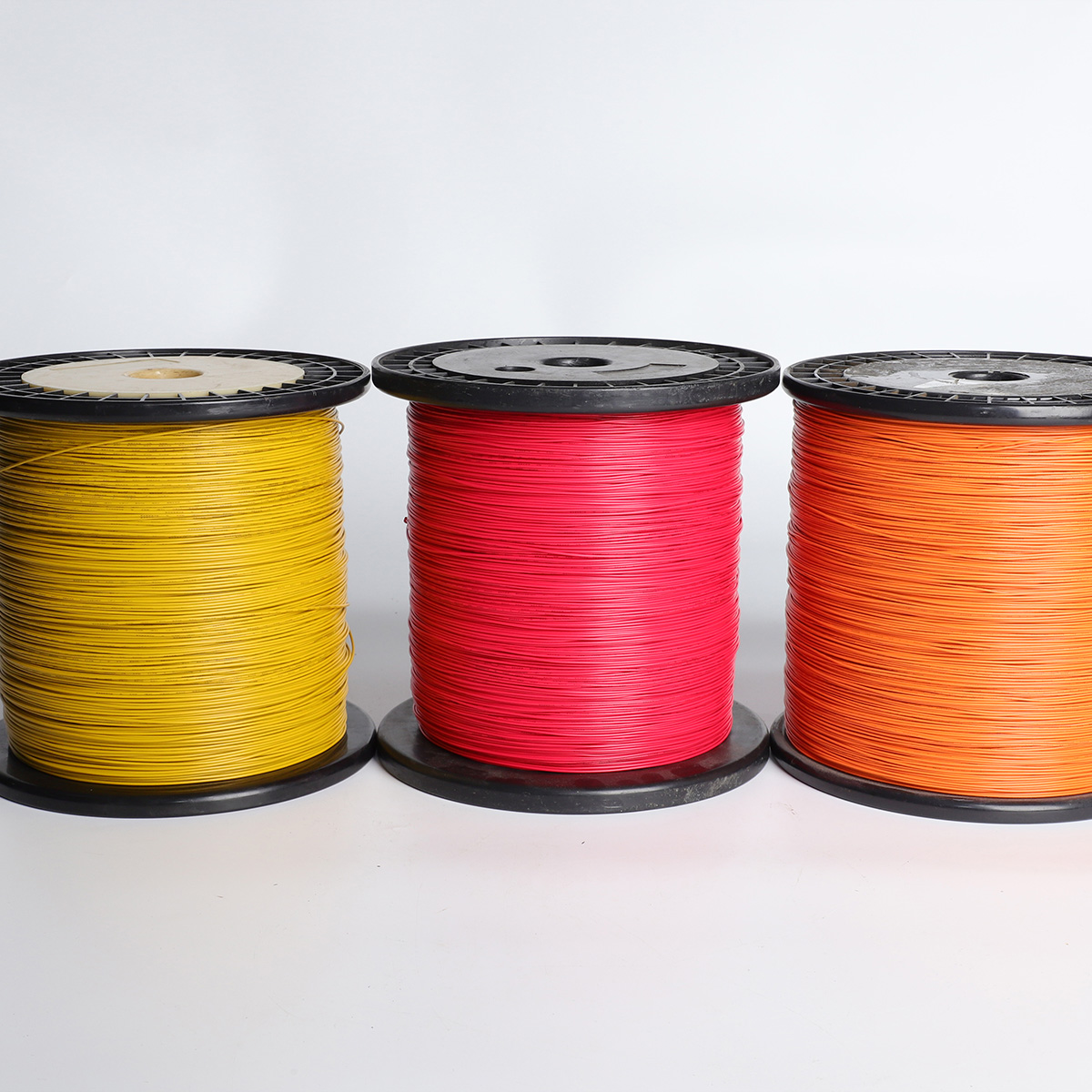
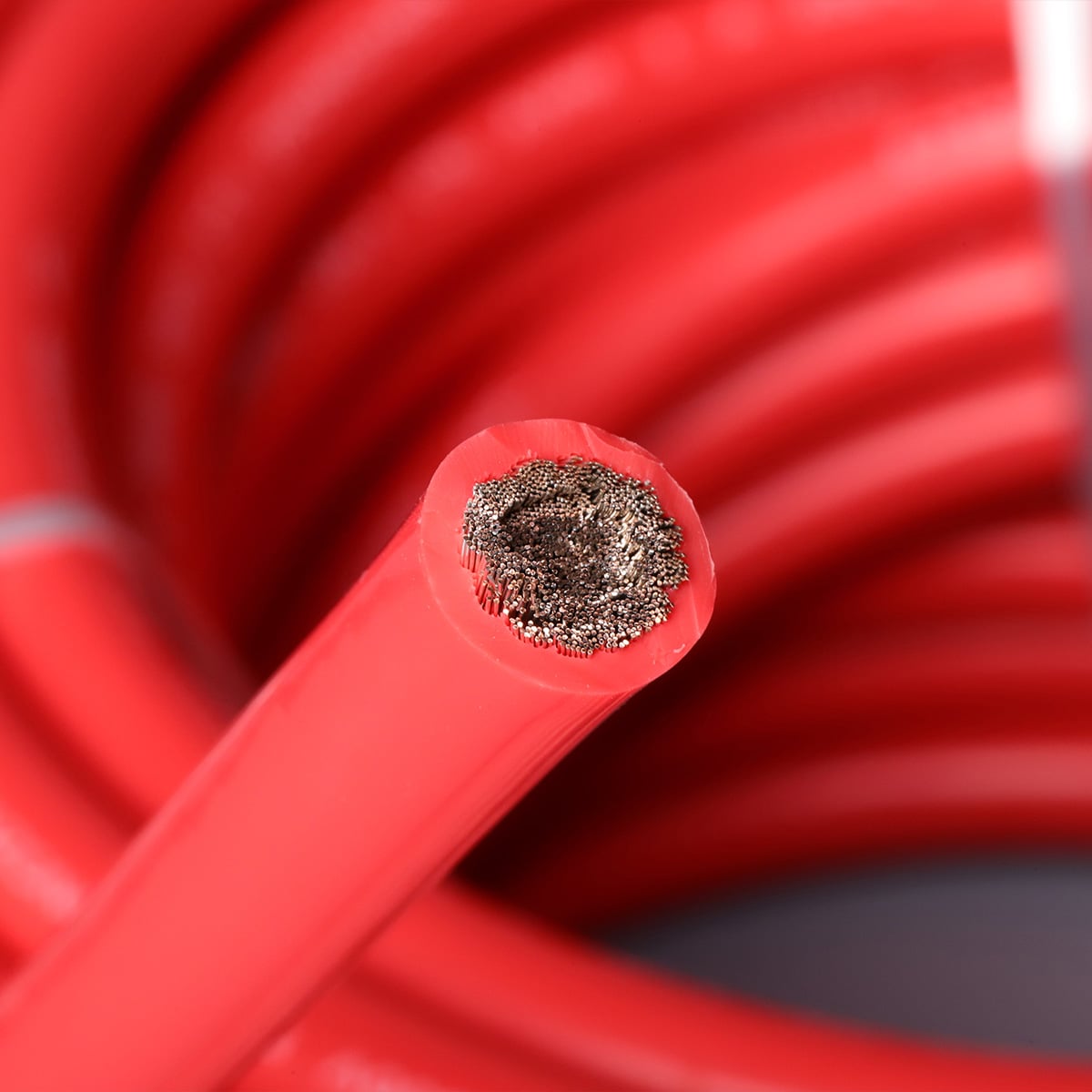
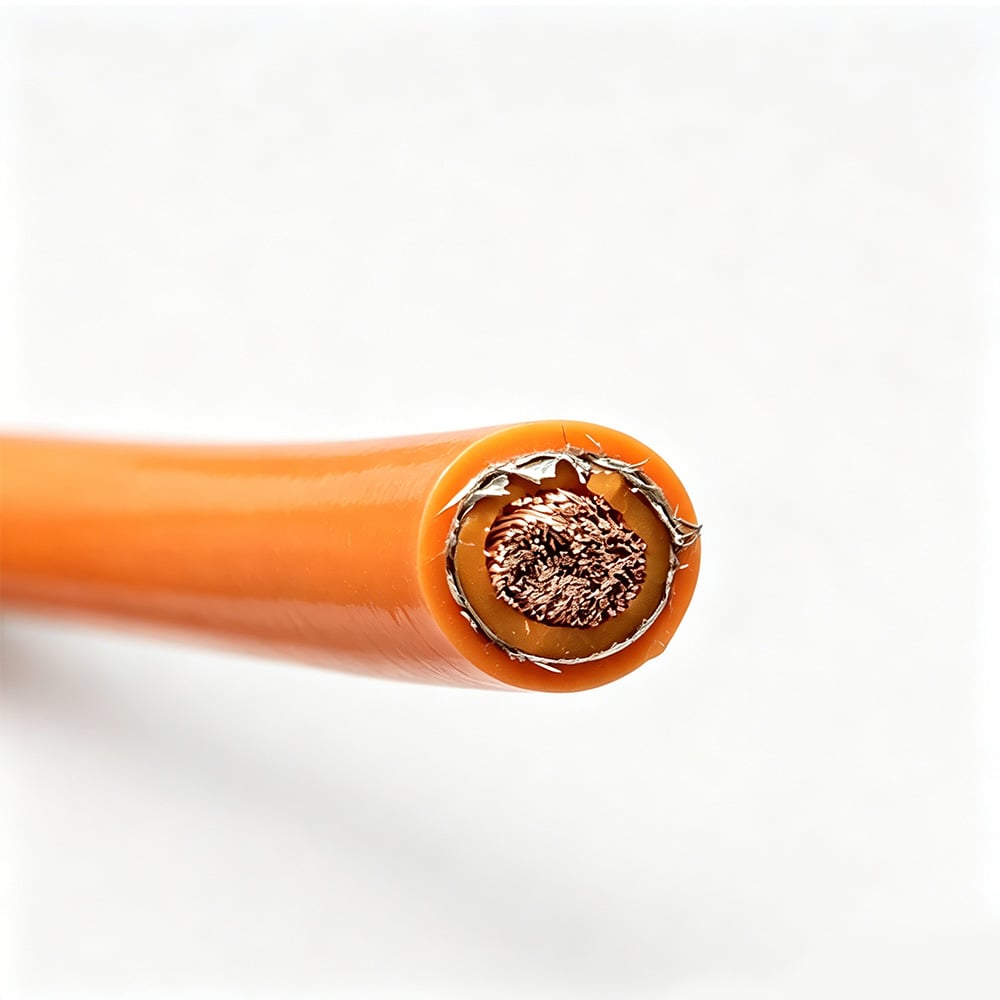
Selecting the right electrical cable for your project is crucial for safety, performance, and long-term reliability. Flexible silicon cable AWG8 represents a premium choice for applications that demand exceptional durability and temperature resistance. Understanding when to deploy flexible silicon cable AWG8 ensures your project meets industry standards while avoiding costly installation errors or component failures. This cable type combines the conductivity benefits of copper with silicone rubber insulation, making it suitable for demanding industrial, automotive, and specialty electrical environments where standard PVC cables fall short.
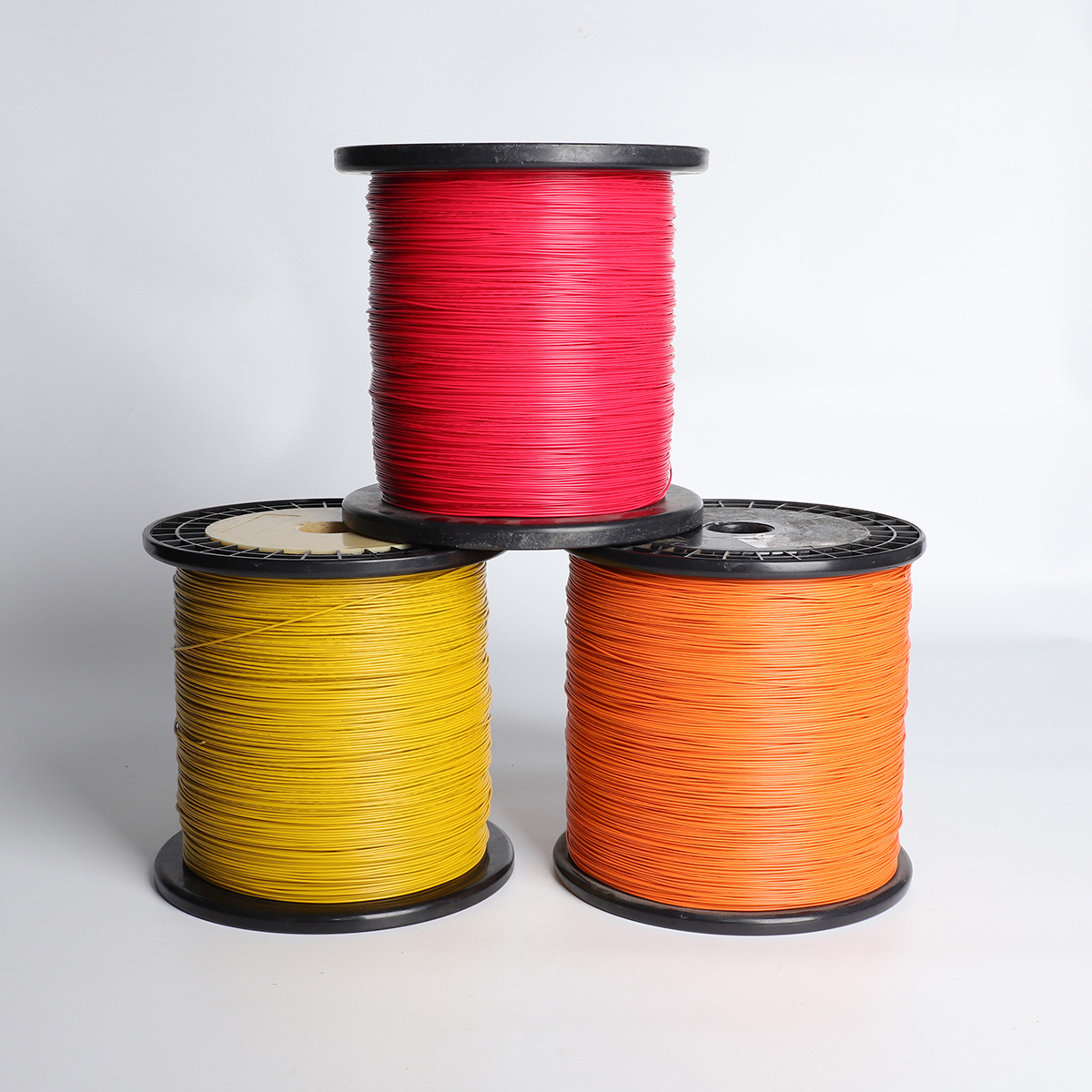
The decision to use flexible silicon cable AWG8 depends on several interconnected factors including operating temperature, flexibility requirements, environmental exposure, and regulatory compliance. AWG8 gauge provides a thick enough conductor for high-current applications while maintaining workability in tight spaces. Silicone insulation offers superior thermal stability compared to conventional insulation materials, withstanding sustained temperatures that would degrade standard cables. This guide explores the key scenarios where flexible silicon cable AWG8 becomes the optimal choice for your electrical infrastructure.
High-Temperature Applications and Thermal Demand
When Operating Temperatures Exceed Standard Limits
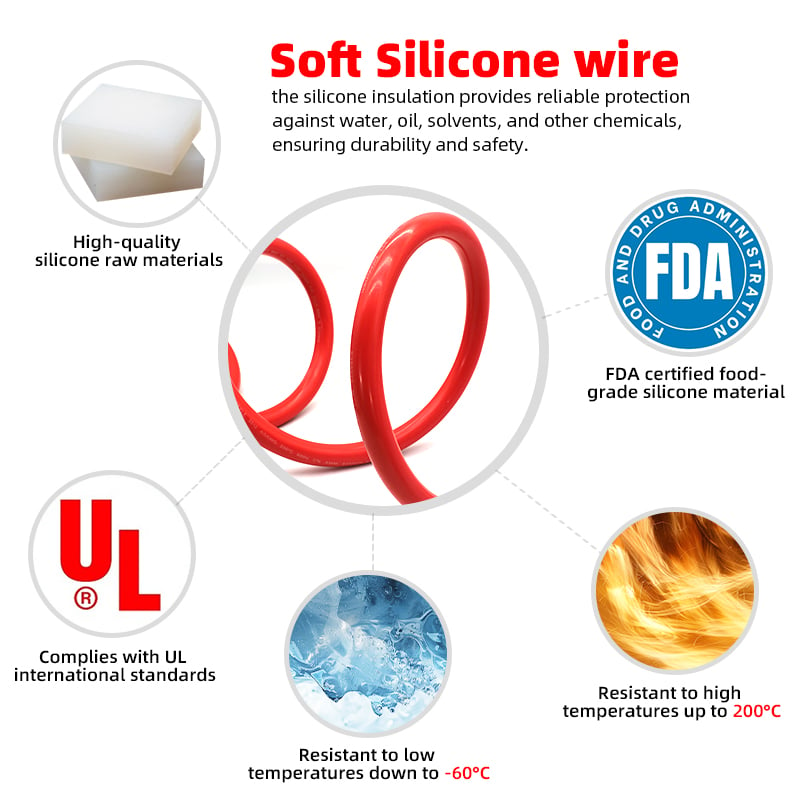
Industrial equipment, oven wiring, kiln controllers, and heat-resistant machinery often operate at temperatures beyond the safe range for conventional PVC insulation. Flexible silicon cable AWG8 tolerates continuous operating temperatures up to 200°C, with short-term capability exceeding 220°C. Standard PVC cables typically fail above 80–90°C, making flexible silicon cable AWG8 essential for thermal applications. When your project specifies equipment operating in high-heat environments, flexible silicon cable AWG8 prevents insulation degradation, wire brittleness, and electrical failures. Food processing equipment, industrial ovens, and automotive engine compartments frequently demand this performance level. The silicone rubber matrix maintains electrical properties even under sustained thermal stress, ensuring long-term safety and system uptime.
Cryogenic and Extreme Cold Environments
While heat resistance attracts attention, flexible silicon cable AWG8 also excels in extreme cold. Silicone insulation remains flexible at temperatures dropping to –55°C or lower, whereas PVC becomes brittle and prone to cracking. Laboratory cryogenic systems, outdoor arctic installations, and cold-storage equipment require cables that maintain insulation integrity in freezing conditions. Flexible silicon cable AWG8 provides this reliability without becoming stiff or losing mechanical flexibility. Equipment installed in refrigerated warehouses, cryogenic research facilities, and outdoor arctic applications benefits from the temperature versatility of flexible silicon cable AWG8. This dual temperature capability makes it ideal for applications with wide thermal cycling ranges.
Mechanical Flexibility and Installation Constraints
Tight Routing and Complex Cable Paths
Equipment design often requires cables to navigate tight corners, wrap around components, or route through confined spaces. Flexible silicon cable AWG8 bends smoothly without kinking, cracking, or developing stress points that compromise conductivity. The silicone jacket resists permanent deformation, allowing repeated bending cycles without degradation. When your project involves robotic arms, automated machinery, or equipment with moving components, flexible silicon cable AWG8 accommodates dynamic flex stress far better than rigid alternatives. Standard cables with harder insulation eventually crack under repetitive movement, while flexible silicon cable AWG8 maintains mechanical integrity through thousands of flex cycles. This durability translates to reduced maintenance, fewer cable replacements, and improved system uptime in high-motion applications.
Vibration-Resistant Wiring in Mobile or Industrial Equipment
Automotive applications, marine systems, and vibrating industrial machinery subject cables to constant mechanical stress that can degrade standard insulation. Flexible silicon cable AWG8 absorbs vibration energy without developing micro-fractures or insulation failures. The elasticity of silicone rubber dampens vibration transmission, protecting the conductor and maintaining electrical continuity. Vehicles equipped with custom electrical systems, industrial compressors, and marine propulsion equipment benefit from the vibration tolerance of flexible silicon cable AWG8. AWG8 gauge provides sufficient cross-sectional area to handle current demands while the flexible silicon cable AWG8 construction minimizes resistance heating even under mechanical stress. This combination makes it the preferred choice for demanding mobile and industrial installations.
Chemical Resistance and Environmental Exposure
Oil, Fuel, and Chemical Contamination Resistance
Equipment operating in chemical plants, fuel-handling facilities, and industrial workshops often encounters oils, solvents, and corrosive substances that destroy standard cable insulation. Flexible silicon cable AWG8 resists chemical attack from hydrocarbons, oils, and many industrial solvents that would rapidly degrade PVC. The silicone matrix does not swell, soften, or lose mechanical properties when exposed to petroleum products or harsh chemicals. Installation in engine compartments, fuel filtration systems, and chemical mixing stations demands flexible silicon cable AWG8 to ensure long-term reliability. Standard cables exposed to these environments develop brittleness, insulation cracking, and potential electrical faults within months. Flexible silicon cable AWG8 maintains its protective properties over years of exposure, reducing replacement frequency and safety risks.
Moisture, UV, and Outdoor Environmental Factors
Outdoor installations, marine applications, and moisture-rich environments accelerate degradation of standard insulation materials. Flexible silicon cable AWG8 resists moisture absorption, preventing water penetration into the conductor and maintaining insulation resistance. UV-stabilized silicone variants of flexible silicon cable AWG8 withstand prolonged sunlight exposure without becoming brittle or losing flexibility. Renewable energy systems, outdoor telecom equipment, and marine electrical systems require this environmental resilience. The hydrophobic nature of silicone keeps moisture out, while the structural integrity prevents saltwater corrosion damage to exposed copper. Projects involving rooftop installations, coastal environments, or high-humidity industrial settings demand flexible silicon cable AWG8 for long-term performance without degradation.
Regulatory Compliance and Industry-Specific Standards
UL, CSA, and International Certification Requirements
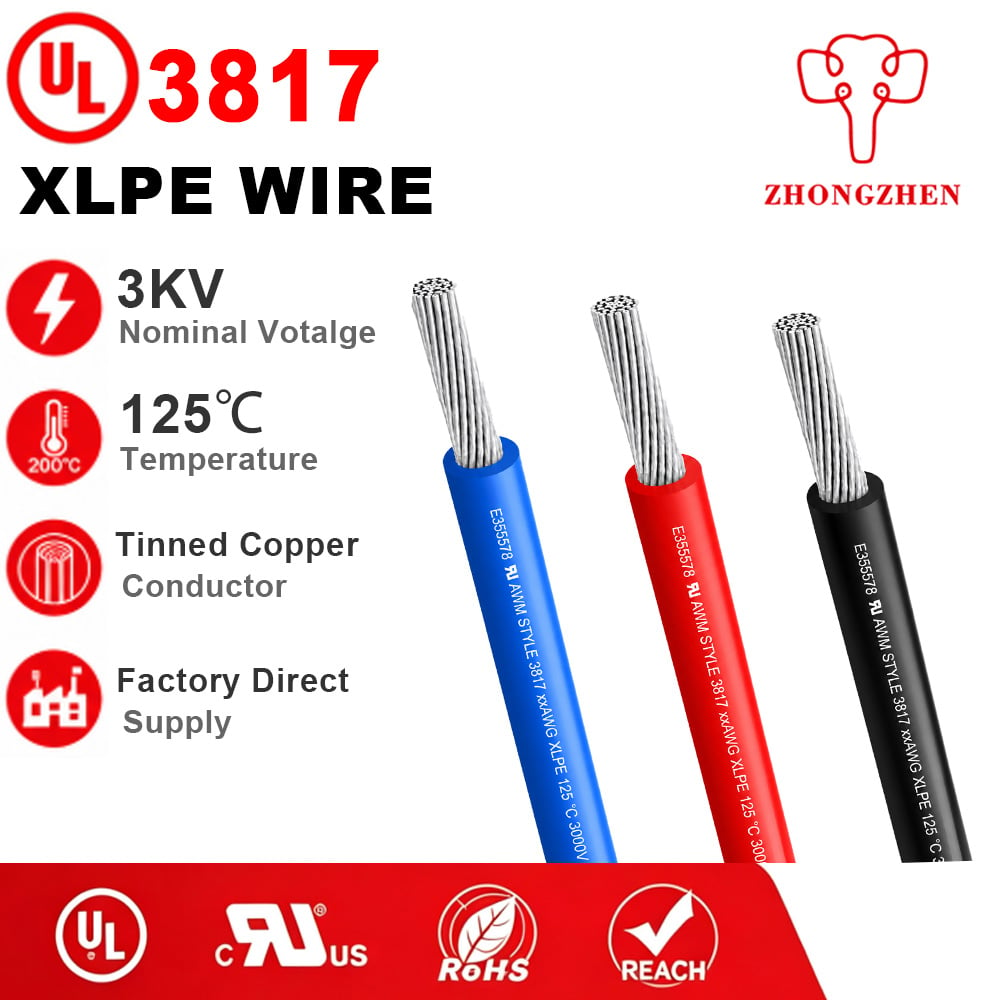
Medical devices, aerospace systems, and safety-critical equipment often mandate specific cable certifications for regulatory approval. Flexible silicon cable AWG8 meets UL, CSA, VDE, and other international standards that govern electrical safety and performance. Equipment manufactured for export or use in regulated industries frequently requires certified cabling to achieve market approval. Flexible silicon cable AWG8 provides documented compliance, simplifying certification processes and reducing approval timelines. Manufacturers of medical implantable devices, aerospace wiring, and high-reliability systems specify flexible silicon cable AWG8 precisely because it carries established certifications. This eliminates engineering uncertainty and streamlines procurement for projects with strict compliance requirements.
Industry-Specific Application Standards
Automotive wiring standards, marine electrical codes, and industrial machinery guidelines often reference silicone cable specifications for high-performance applications. OEMs designing premium or safety-critical equipment frequently specify flexible silicon cable AWG8 to exceed minimum code requirements. This approach builds product reputation, reduces warranty claims, and improves long-term customer satisfaction. When your industry standard or customer specification calls for advanced cable technology, flexible silicon cable AWG8 demonstrates commitment to quality and durability. Building equipment to exceed minimum standards using flexible silicon cable AWG8 creates competitive advantage and reduces field service costs.
FAQ
What makes flexible silicon cable AWG8 superior to standard PVC cables?
Flexible silicon cable AWG8 surpasses PVC cables in temperature tolerance, chemical resistance, and mechanical durability. While PVC fails above 80–90°C, flexible silicon cable AWG8 operates continuously at 200°C and resists extreme cold down to –55°C. The silicone insulation remains flexible through thousands of bend cycles, resists oils and solvents, and maintains electrical integrity in harsh environments where PVC quickly degrades. For applications demanding reliability beyond standard specifications, flexible silicon cable AWG8 justifies the investment through extended service life and reduced maintenance.
Is flexible silicon cable AWG8 suitable for all electrical projects?
While flexible silicon cable AWG8 offers exceptional performance, it is most cost-effective for projects with demanding environmental or operational requirements. Standard PVC cables remain appropriate for typical indoor residential and commercial installations operating within normal temperature ranges. Flexible silicon cable AWG8 becomes the logical choice when projects involve high temperature, mechanical stress, chemical exposure, or extreme environmental conditions. Evaluate your specific application requirements against the enhanced capabilities of flexible silicon cable AWG8 to determine if the premium cost aligns with your project needs.
How does AWG8 gauge influence the decision to use flexible silicon cable AWG8?
AWG8 provides substantial conductor cross-section suitable for high-current applications while maintaining enough flexibility for practical installation. Flexible silicon cable AWG8 at this gauge handles currents up to 70 amperes depending on ambient temperature and installation method, making it ideal for equipment with significant power demands. The balance between current capacity and workability makes flexible silicon cable AWG8 the preferred choice for industrial machinery, automotive systems, and marine electrical infrastructure where both performance and installation practicality matter.