EN
EN


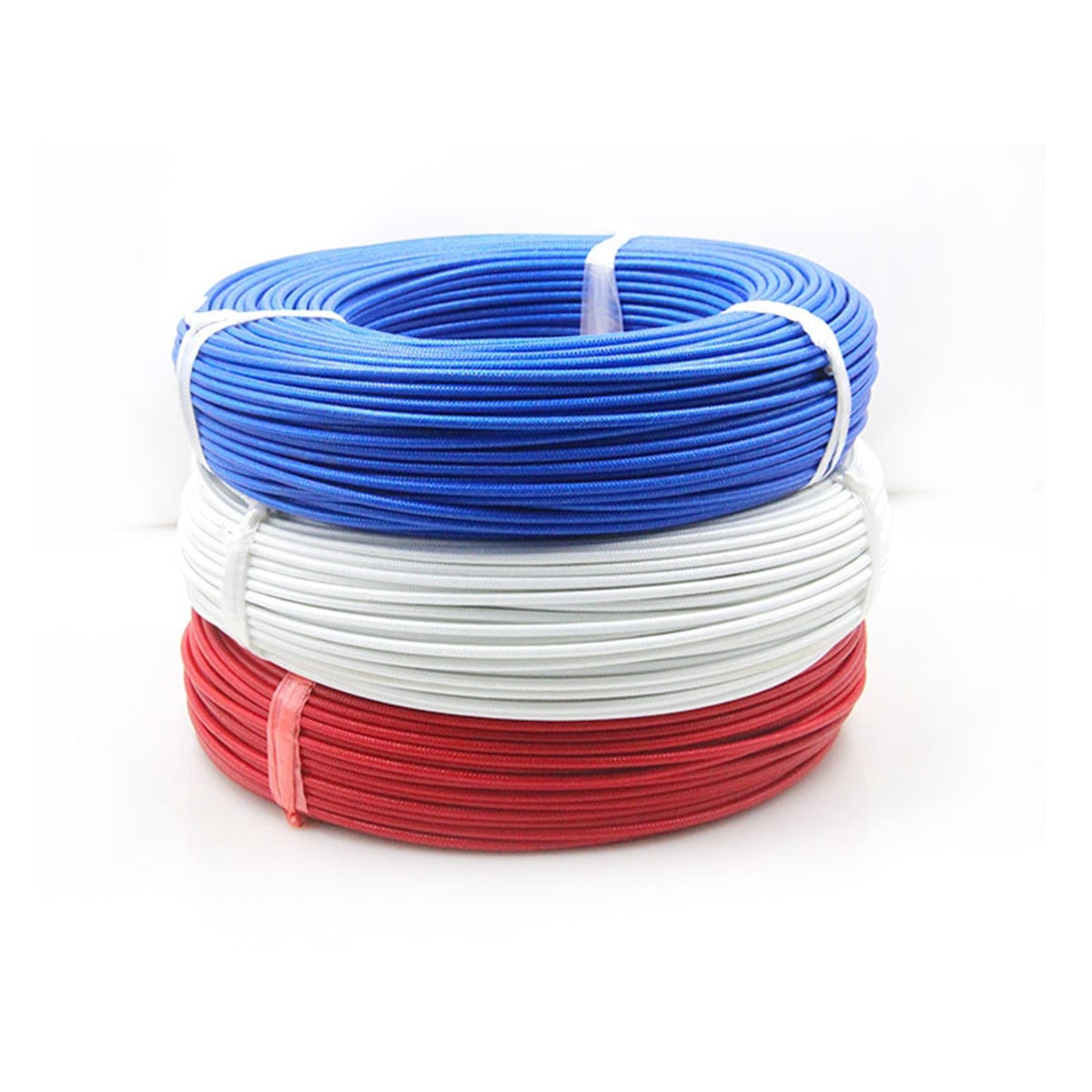
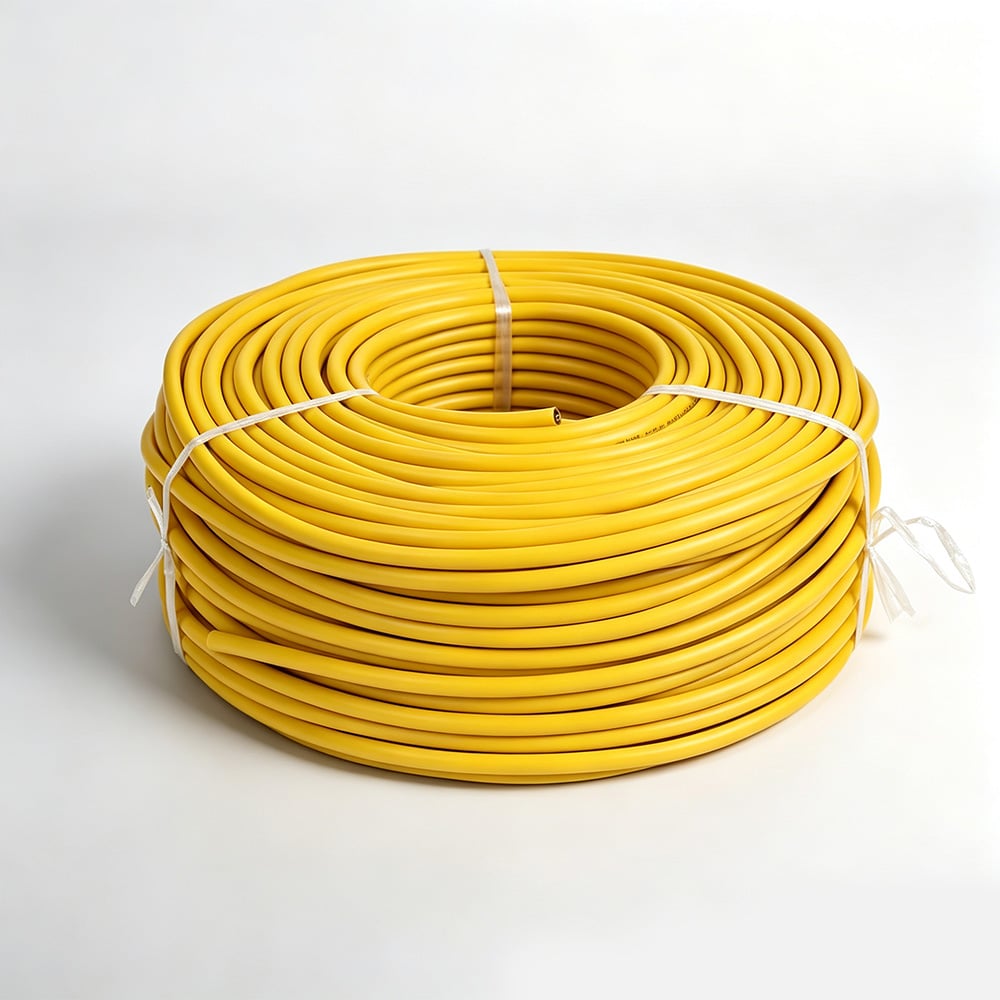
When electrical systems demand reliable performance under extreme load conditions, 2 AWG wire emerges as a critical choice for professionals and engineers across industrial and commercial sectors. The 2 AWG wire designation represents a precise gauge standard that delivers exceptional current-carrying capacity while maintaining safety margins that protect equipment and personnel alike. Understanding why 2 AWG wire suits high amperage applications requires examining the interplay between conductor diameter, material composition, resistance characteristics, and real-world performance standards that govern electrical infrastructure.
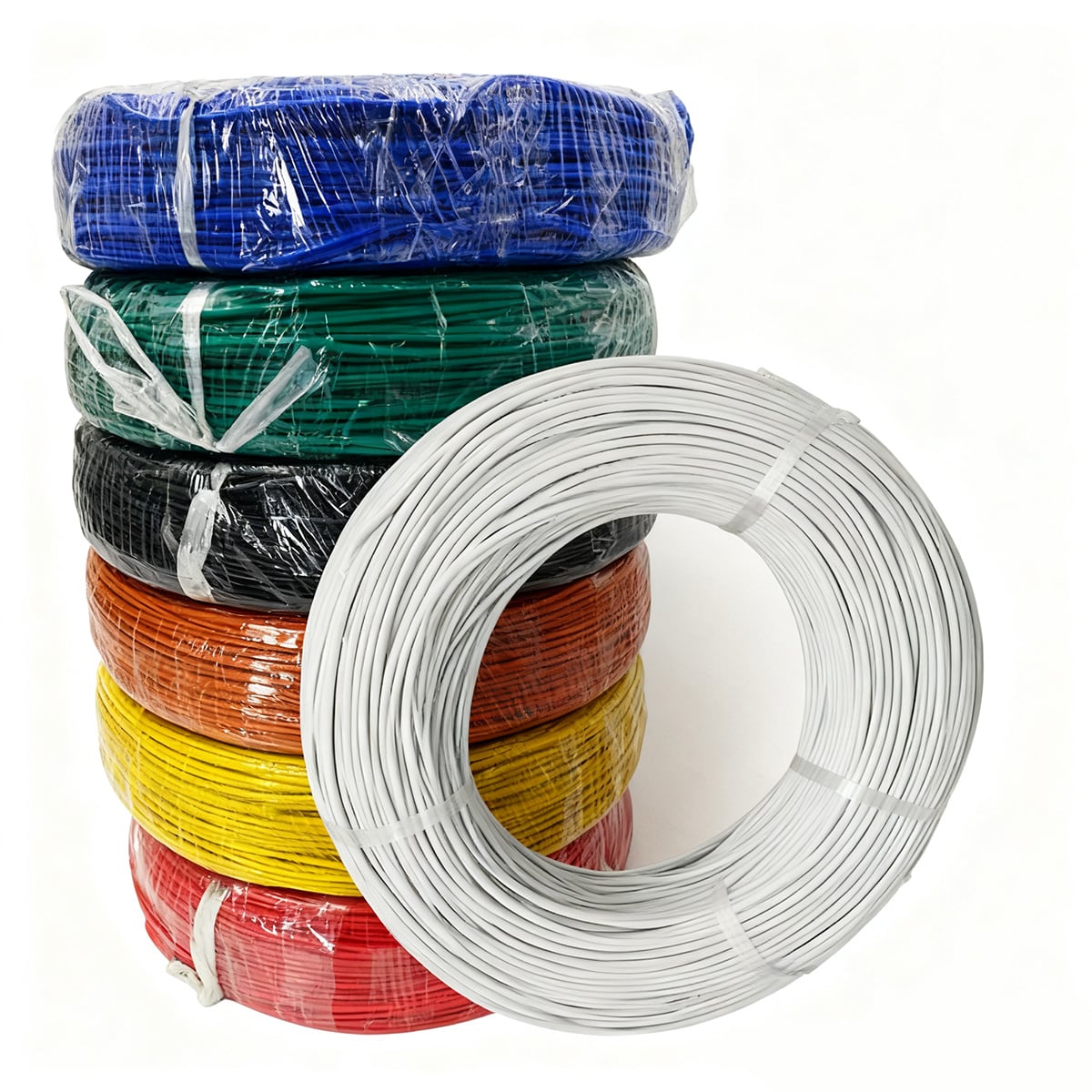
The suitability of 2 AWG wire for high amperage stems from fundamental physics principles and established industry standards that quantify electrical safety. As amperage increases through an electrical system, wire gauge becomes the primary mechanism for managing heat generation, voltage drop, and system efficiency. The 2 AWG wire cross-sectional area provides sufficient conductive material to handle substantial current loads while remaining practical for installation, routing, and mechanical integration within typical industrial environments.
Conductor Size and Current-Carrying Capacity
Cross-Sectional Area and Amperage Rating
The 2 AWG wire possesses a cross-sectional area of approximately 33.3 square millimeters, making it substantially larger than smaller gauge options yet more practical than larger alternatives for many applications. This 2 AWG wire configuration allows for current-carrying capacity ratings between 95 and 150 amperes, depending on insulation type, ambient temperature, and installation method. The relationship between conductor area and amperage capacity follows Ohm's Law principles, where increased cross-sectional area directly reduces electrical resistance and the associated heat generation during current flow. When engineers specify 2 AWG wire for high amperage circuits, they leverage this precise balance between physical size and electrical performance to achieve safe, efficient power delivery without oversizing the conductor beyond practical necessity.
Copper Composition and Material Quality
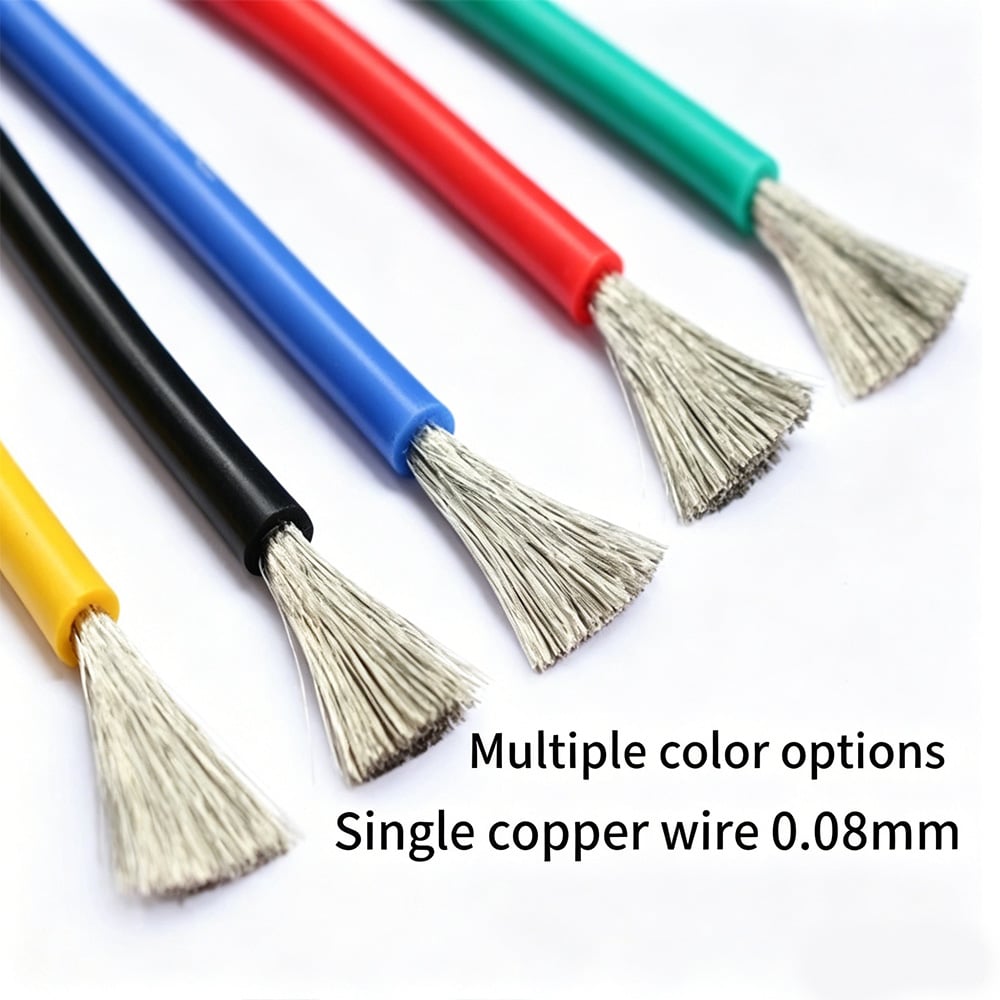
Superior electrical conductivity defines 2 AWG wire performance, particularly when manufactured from high-purity copper or tinned copper variants. The 2 AWG wire constructed from copper exhibits resistivity of approximately 1.68 micro-ohms per centimeter at 20 degrees Celsius, establishing consistent performance across diverse operating environments. Tinned copper versions of 2 AWG wire offer enhanced corrosion resistance while maintaining identical electrical characteristics, making them ideal for marine, outdoor, and humid industrial settings. The material composition of 2 AWG wire directly influences heat generation rates, voltage drop percentages, and long-term reliability under sustained high amperage conditions.
Voltage Drop and System Efficiency
Calculating Voltage Loss in High Amperage Circuits
Voltage drop represents a critical consideration when selecting 2 AWG wire for high amperage applications, as excessive voltage loss compromises equipment performance and wastes electrical energy throughout the system. The 2 AWG wire maintains voltage drop to manageable levels across moderate distances due to its substantial conductor area and low resistance characteristics. For a circuit carrying 100 amperes through 100 feet of 2 AWG wire at standard temperature conditions, voltage drop remains approximately 2.0 volts, well within acceptable industry standards that typically limit drops to 3–5 percent for branch circuits and 2–3 percent for feeder circuits. When engineers choose 2 AWG wire instead of undersized alternatives, they prevent the voltage degradation that would otherwise trigger motor overheating, dim lighting, and accelerated equipment deterioration in high amperage installations.
Efficiency Gains and Reduced Operating Costs
The 2 AWG wire delivers measurable efficiency improvements by minimizing resistive losses that convert electrical energy into waste heat rather than useful work. In high amperage systems operating continuously, the energy savings from reduced voltage drop and resistive heating accumulate substantially over monthly and annual operating periods. Facilities that upgrade from undersized wiring to 2 AWG wire often recoup installation costs through decreased energy consumption, lower cooling requirements for electrical infrastructure, and extended equipment service life. The 2 AWG wire thus represents not merely a safety investment but also a cost-optimization decision that improves overall system economics for power-intensive industrial operations.
Safety Performance and Regulatory Compliance
Heat Management and Thermal Protection
The 2 AWG wire manages thermal load more effectively than smaller gauges because increased conductor cross-section dissipates resistive heating more efficiently across a larger surface area. High amperage circuits generate significant heat, and failure to employ adequate conductor size creates fire hazards and equipment damage through thermal runaway conditions. The 2 AWG wire maintains jacket and insulation integrity across extended operating periods by keeping surface temperatures within safe limits specified by applicable electrical codes and manufacturer guidelines. Proper selection of 2 AWG wire for high amperage applications eliminates dangerous temperature conditions that degrade insulation materials, accelerate aging processes, and create potential arc-fault scenarios in industrial and commercial installations.
Code Compliance and Standard Adherence
Electrical codes including the National Electrical Code establish precise requirements for conductor sizing based on amperage loads, and 2 AWG wire represents the specified choice for many high amperage circuits where smaller gauges would violate safety standards. The 2 AWG wire must comply with established performance criteria regarding insulation ratings, ampacity tables, temperature coefficients, and environmental derating factors that ensure consistent safety across diverse installation scenarios. Professional electricians and engineers reference industry standards and code tables to confirm that 2 AWG wire meets or exceeds requirements for their specific high amperage applications, ensuring installations pass inspection and maintain legal compliance throughout their operational lifespan. The 2 AWG wire selection process thus involves both technical analysis and regulatory verification to guarantee that chosen conductors deliver both safety and legal adherence.
Practical Installation and System Integration
Routing and Mechanical Considerations
The 2 AWG wire balances electrical capacity with practical workability, offering sufficient current-carrying capability while remaining manageable for installation, termination, and routing through conduit and cable trays. Larger gauge conductors beyond 2 AWG wire become increasingly difficult to bend, terminate, and integrate into existing infrastructure, potentially escalating installation labor costs without proportional performance gains for many applications. The 2 AWG wire size accommodates standard connection hardware, panel terminals, and breaker configurations found in typical industrial electrical panels and switchgear assemblies. Engineers frequently specify 2 AWG wire as the practical upper limit for high amperage applications where installation feasibility and equipment compatibility must align with performance requirements.
Termination and Connection Standards
The 2 AWG wire requires appropriate termination methods including crimped lugs, compression connectors, or mechanical terminals rated for the conductor size and amperage capacity. Improper termination represents a critical failure point in electrical systems, and the 2 AWG wire demands precise connection techniques that establish low-resistance, low-impedance joints capable of withstanding thermal cycling and mechanical stress. Industry standards specify terminal types, compression tool requirements, and inspection procedures that ensure 2 AWG wire connections maintain integrity throughout their operational lifespan. Facility managers and maintenance technicians must verify that all termination equipment, testing procedures, and installation practices align with established standards for 2 AWG wire applications.
FAQ
What amperage can 2 AWG wire safely handle?
The 2 AWG wire safely handles amperage between 95 and 150 amperes depending on insulation type, installation method, and ambient temperature conditions. Most applications rate 2 AWG wire at 110–130 amperes under standard conditions, though specific ampacity tables in electrical codes provide precise values for particular scenarios. Engineers must consult applicable code tables and derating factors to confirm that 2 AWG wire capacity matches their specific high amperage requirements.
Why choose 2 AWG wire over smaller gauges?
Smaller gauge conductors generate excessive heat, create unacceptable voltage drop, and violate electrical codes when handling high amperage loads. The 2 AWG wire prevents thermal hazards, minimizes energy losses, and ensures compliance with safety standards that regulate conductor sizing for electrical circuits. Choosing appropriately-sized 2 AWG wire protects equipment, extends service life, and eliminates fire risk associated with undersized conductors in high amperage applications.
Is 2 AWG wire suitable for outdoor installations?
The 2 AWG wire with tinned copper construction and appropriate insulation materials performs reliably in outdoor environments where corrosion and moisture pose challenges. Installers must select insulation types rated for UV exposure and environmental conditions, ensuring that 2 AWG wire maintains integrity throughout extended outdoor service periods. Proper conduit protection and connector specifications further enhance 2 AWG wire performance in outdoor high amperage applications.