EN
EN


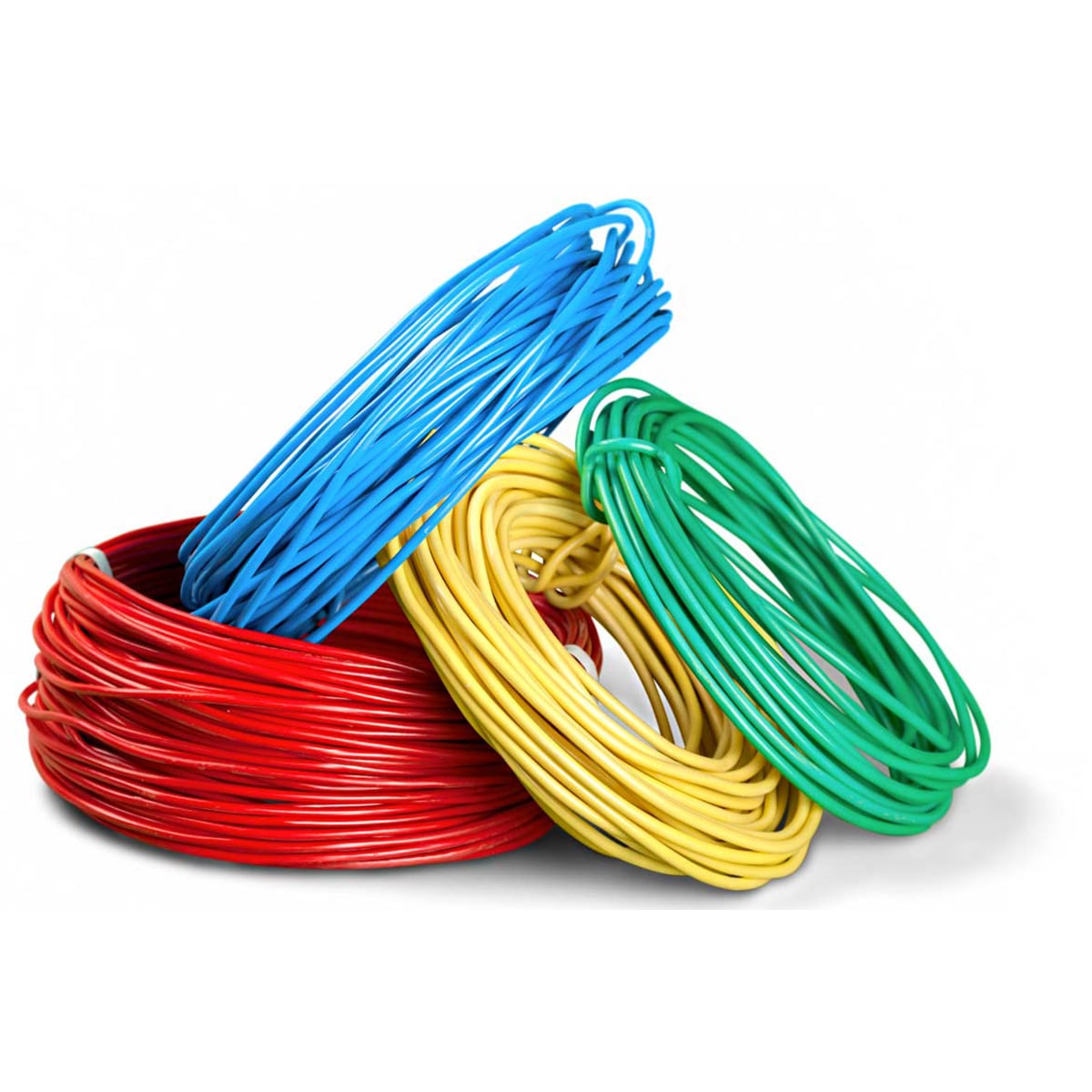
Selecting the correct gauge of electrical wire is critical for safety, efficiency, and code compliance in any installation project. 2 AWG wire represents a heavy-duty conductor option that serves specific high-amperage applications where standard residential wiring falls short. Understanding when 2 AWG wire is appropriate, what load capacities it supports, and how to install it correctly can mean the difference between a safe, reliable system and one prone to failure or fire hazard. This guide explains the practical scenarios where 2 AWG wire becomes the optimal choice for electricians, contractors, and facility managers.
The American Wire Gauge (AWG) system measures wire diameter and current-carrying capacity, with lower numbers indicating thicker conductors. 2 AWG wire carries significantly more amperage than common residential gauges like 12 or 14 AWG, making it essential for large equipment, industrial machinery, backup generators, electric vehicle charging stations, and main service upgrades. Choosing the wrong gauge—whether too thin or unnecessarily thick—creates safety risks, increases costs, and may violate electrical codes. Knowing the specific applications, amperage ratings, and installation requirements for 2 AWG wire ensures your project meets all safety standards and performs reliably.
Understanding 2 AWG Wire Amperage and Capacity
Current-Carrying Capacity of 2 AWG Wire
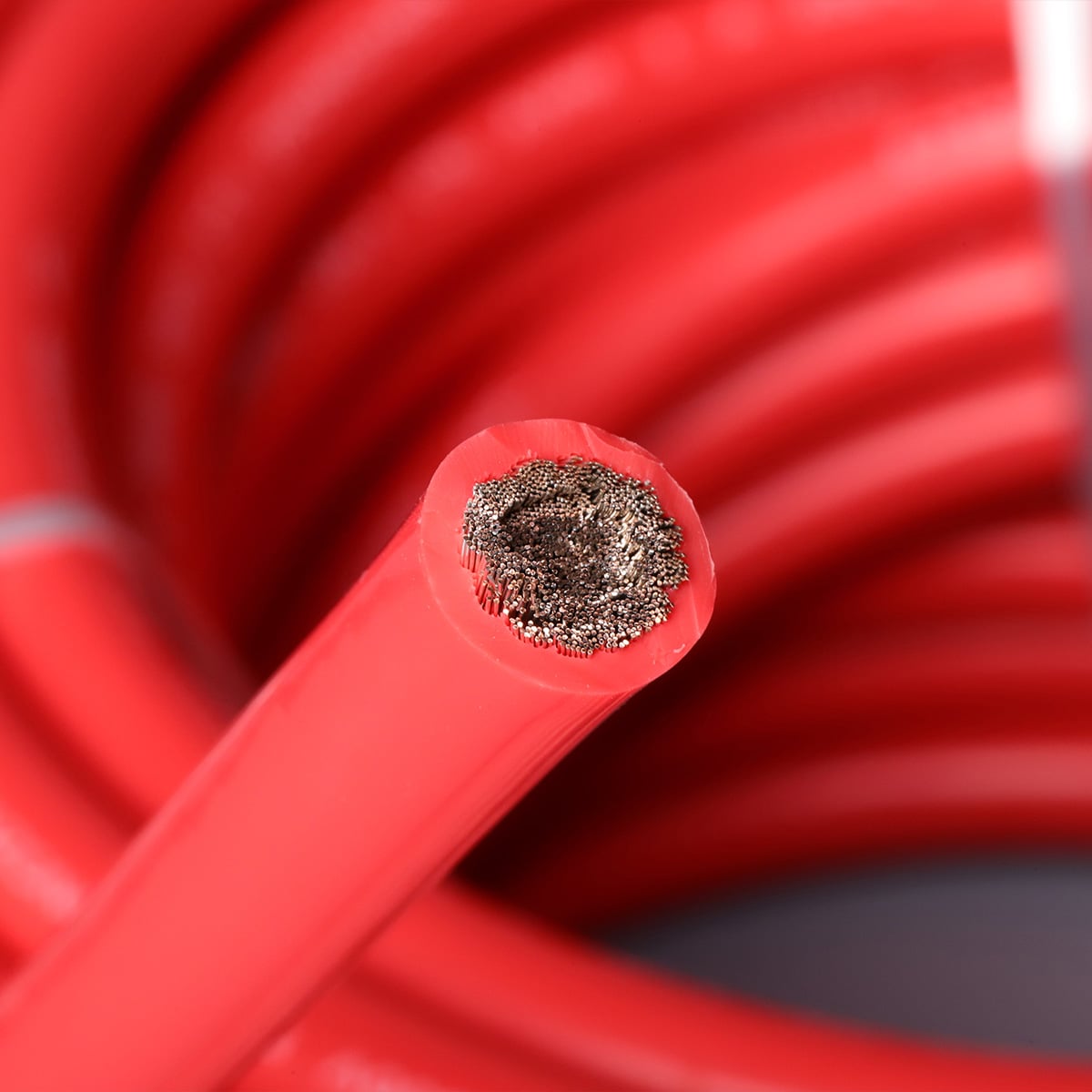
2 AWG wire is rated for approximately 130 amperes under standard conditions, depending on insulation type and installation method. In conduit installations, the capacity may be derated to around 115–120 amperes to account for heat buildup. The exact amperage your specific 2 AWG wire can safely handle depends on factors like ambient temperature, insulation material (vinyl, rubber, or silicone), and whether the wire is bundled with other conductors. For copper 2 AWG wire, conductivity is superior to aluminum variants, allowing slightly higher current capacity and reducing voltage drop across longer runs. Understanding these ratings prevents overloading the conductor, which can cause insulation failure, fire risk, and equipment damage.
Voltage Drop Considerations
Even though 2 AWG wire carries high current, it still experiences voltage drop across distance. For a 100-foot run at 100 amperes, voltage drop using 2 AWG wire is approximately 1.3 volts, which is acceptable for most applications. However, longer runs or higher currents may require moving to 1 AWG or larger to meet the 3% voltage drop guideline in the National Electrical Code. When installing 2 AWG wire for critical loads like data centers or hospitals, calculate voltage drop to confirm performance meets equipment specifications. Undersizing the wire to save money creates voltage problems that reduce equipment efficiency and lifespan.
Practical Installation Scenarios for 2 AWG Wire
Heavy-Duty Industrial Equipment and Motors
Industrial machinery, large three-phase motors, and compressor systems frequently require 2 AWG wire for feeder circuits. A 75 horsepower motor running at 460 volts may draw 95–110 amperes, making 2 AWG wire the appropriate choice for both safety and code compliance. Manufacturing facilities, pump stations, and HVAC systems rely on 2 AWG wire to deliver stable power without voltage fluctuations that degrade motor performance or trigger nuisance trips. Using undersized wire in these applications risks motor burnout, increased maintenance costs, and production downtime. 2 AWG wire installation must follow proper conduit sizing, grounding procedures, and code-required disconnects to ensure worker safety and system reliability.
Residential Main Service Upgrades and EV Charging
Home service panel upgrades from 100 to 200 amperes often employ 2 AWG wire for the service entrance conductors. Similarly, Level 2 electric vehicle charging stations (48 amperes at 240 volts) typically use 2 AWG wire to safely deliver power without excessive voltage drop. When a residential installation includes both a main service upgrade and multiple high-load circuits (electric water heater, HVAC, EV charger), 2 AWG wire becomes standard in the distribution circuit. Homeowners and electricians must verify that the utility company and local electrical inspector approve the upgrade and that conduit and disconnects match the wire gauge. Failure to use proper 2 AWG wire in these scenarios can void equipment warranties and create liability if fire or injury occurs.
Backup Generator and Transfer Switch Installations
Standby generators rated at 35–50 kW often connect to homes or small businesses using 2 AWG wire for the generator-to-transfer-switch circuit. 2 AWG wire must handle the full rated output of the generator while remaining within acceptable voltage drop limits to ensure proper load transfer. Improperly sized generator wiring creates voltage sags that prevent critical loads from operating during outages, defeating the purpose of the backup system. Professional installation of 2 AWG wire in generator circuits includes proper grounding, bonding, disconnects, and outdoor rating if the wire runs exposed. Insurance carriers and building inspectors require certified installation documentation when 2 AWG wire is used for life-safety systems like generators.
Material Composition and Selection Factors for 2 AWG Wire
Copper vs. Aluminum 2 AWG Wire Options
Copper 2 AWG wire is preferred in most applications because of its superior conductivity, lower voltage drop, and better corrosion resistance compared to aluminum. Aluminum 2 AWG wire costs less but requires larger conduit sizing and has lower ampacity ratings under the same conditions. For corrosive environments like coastal areas or chemical facilities, copper 2 AWG wire resists degradation far better than aluminum, extending service life. Some codes restrict aluminum 2 AWG wire for final connections to equipment terminals, so verify local requirements before specifying aluminum. If budget constraints require aluminum, ensure the installer knows the derating factors and proper termination techniques to prevent connection failures.
Insulation Type and Environmental Considerations
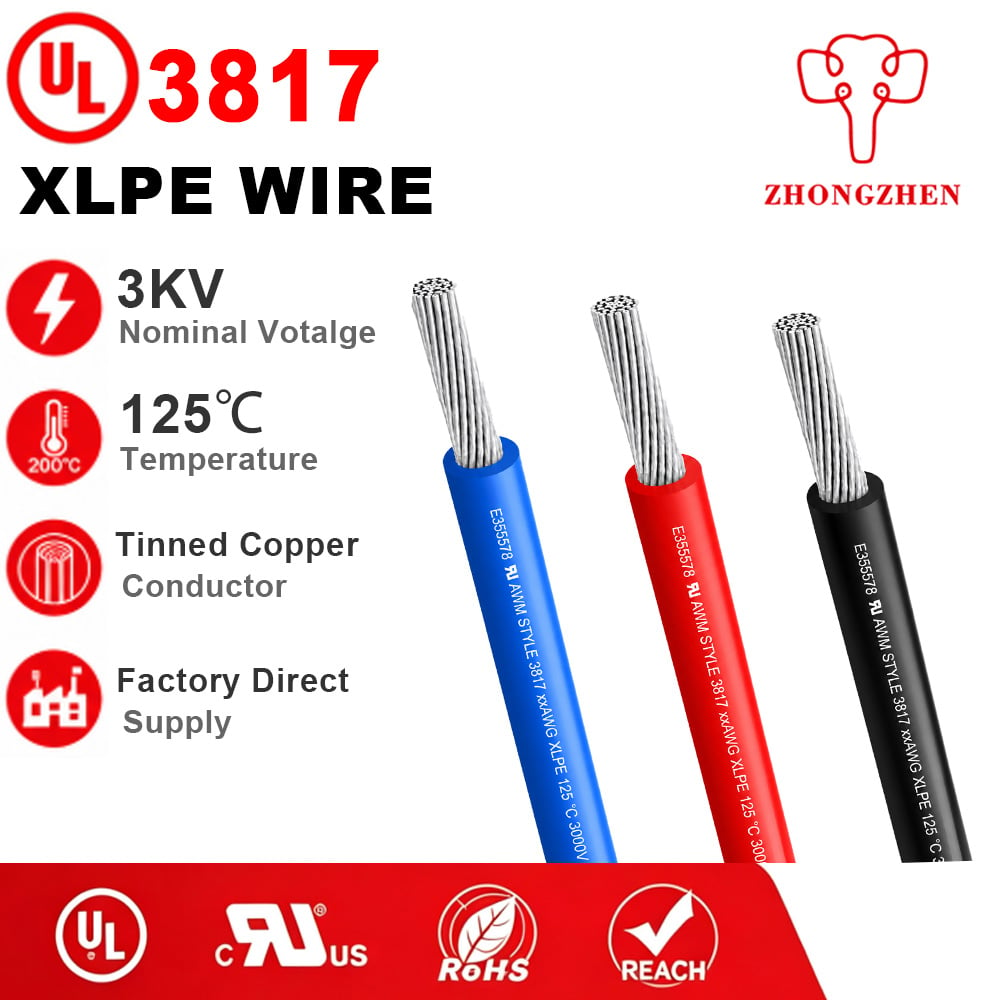
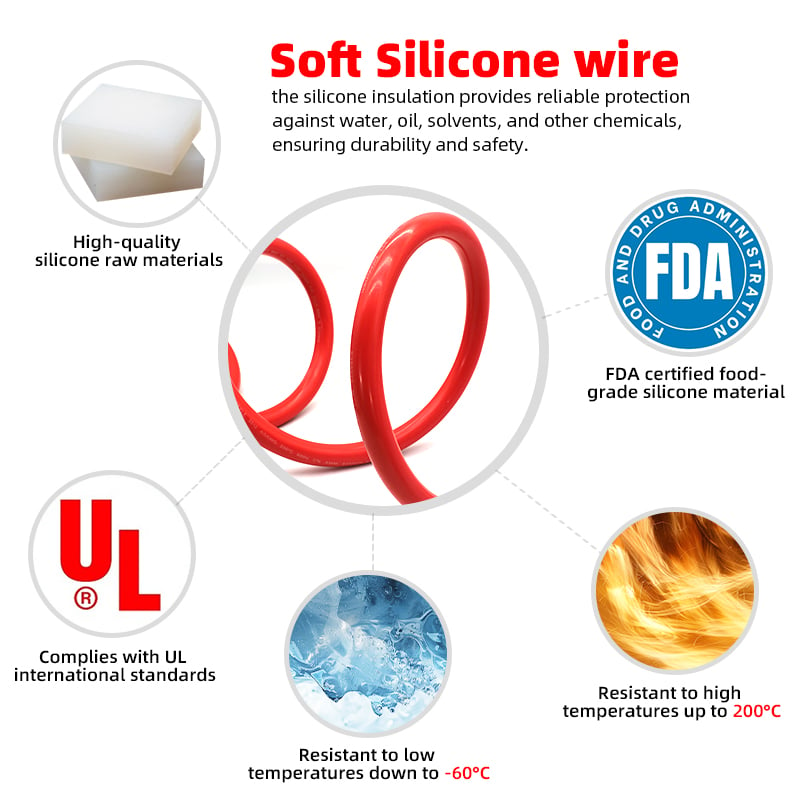
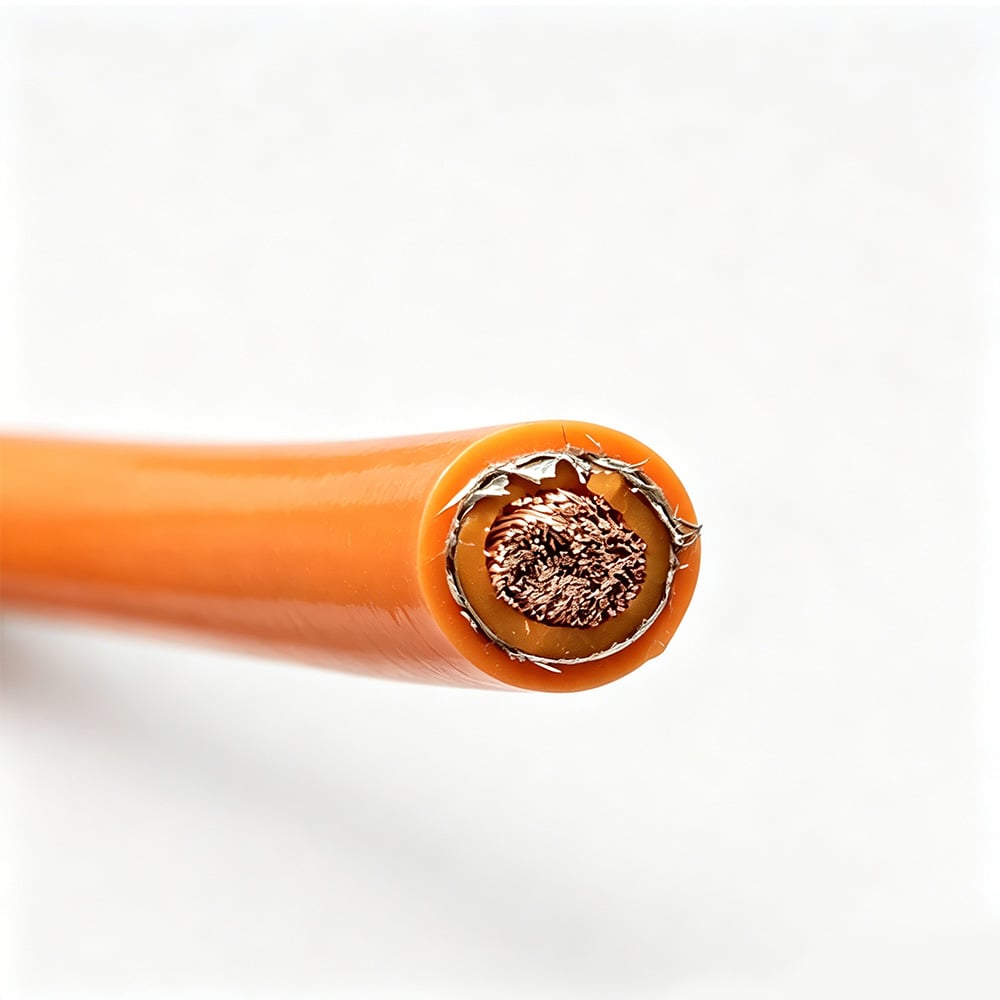
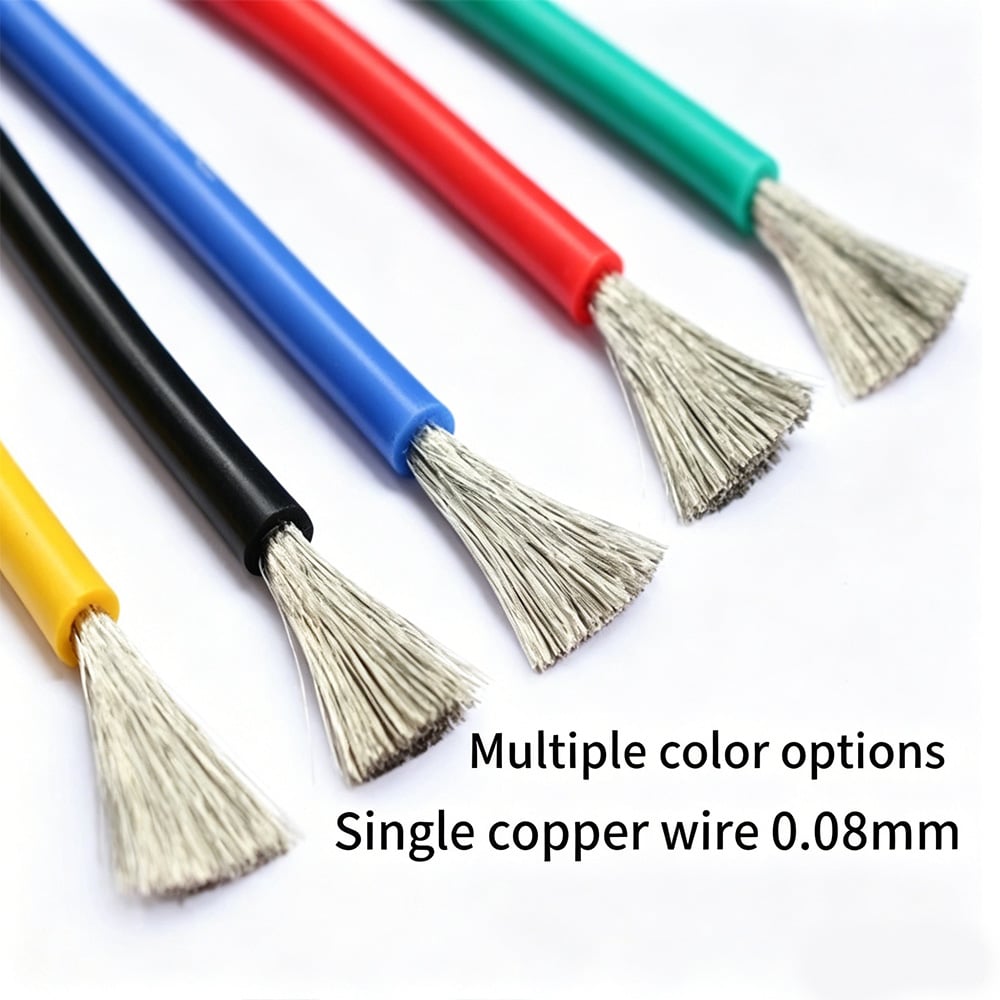
Silicone rubber-insulated 2 AWG wire excels in high-temperature environments and flexible applications like industrial equipment. Vinyl-insulated 2 AWG wire offers good general-purpose performance and meets standard building code requirements. Tinned copper inside the conductor improves corrosion resistance in harsh climates or wet installations, though it slightly increases cost. When purchasing 2 AWG wire, verify that the insulation rating matches your installation environment—UV exposure, temperature extremes, chemical contact, and moisture all factor into wire selection. Undersized or incorrect-insulation-type 2 AWG wire can fail prematurely, creating safety hazards and expensive emergency replacements.
Code Compliance and Safety Requirements
NEC and Local Code Requirements for 2 AWG Wire Installation
The National Electrical Code (NEC) specifies minimum conductor sizes for various applications, and 2 AWG wire must comply with Article 310 ampacity tables and derating rules. Local amendments often impose stricter requirements, so consultation with building officials before installing 2 AWG wire prevents costly rework. Conduit sizing for 2 AWG wire is controlled by Table 4 in the NEC—typically 1.25 or 1.5 inch conduit depending on wire count. Overcrowding conductors in undersized conduit violates code and voids insurance coverage. Proper labeling, grounding, and disconnecting means for circuits using 2 AWG wire ensure safe maintenance and emergency response.
Grounding and Bonding Best Practices
Every circuit using 2 AWG wire requires an appropriately sized grounding conductor—typically 6 AWG copper or 4 AWG aluminum for a 130-ampere circuit. 2 AWG wire installations must maintain continuity through conduit, equipment frames, and all connection points to prevent shock hazards and fire. Bonding jumpers, equipment grounding conductor sizing, and proper termination of 2 AWG wire at breakers and disconnect switches all influence system safety. Corroded or loose connections involving 2 AWG wire generate heat, arcing, and potential ignition sources, so periodic inspection of high-amperage circuits is essential. Working with qualified electricians ensures your 2 AWG wire installation passes inspection and maintains code compliance throughout its operational life.
FAQ
What is the maximum distance I can run 2 AWG wire before voltage drop becomes a problem?
At 100 amperes, 2 AWG wire experiences approximately 1.3 volts of drop per 100 feet. Following the 3% rule, this means roughly 230 feet for a 120-volt circuit and 770 feet for a 480-volt circuit. For DC systems like solar or battery installations, 2 AWG wire may require shorter runs or larger gauge due to higher current sensitivity. Always calculate voltage drop specific to your voltage, amperage, and distance to ensure equipment operates within specifications. When in doubt, consult the NEC tables or a licensed electrician to verify acceptable distance for your 2 AWG wire installation.
Can I use 2 AWG wire in conduit outdoors or does it need additional protection?
2 AWG wire must be installed in rain-tight conduit if exposed to outdoor weather, and the conduit itself should be UV-resistant PVC, galvanized steel, or aluminum. Directly burying 2 AWG wire requires burial-rated cable with proper depth and warning tape per NEC Article 300. Outdoor installations of 2 AWG wire also benefit from silicone or XHHW insulation for superior moisture and temperature performance. Terminations at panels, disconnects, or equipment must use weather-sealed connectors to prevent water ingress. Periodic inspection of outdoor 2 AWG wire systems prevents corrosion and insulation damage that compromise safety.
How do I know if my circuit needs to upgrade from 10 AWG wire to 2 AWG wire?
If a new load requires more than 50 amperes, upgrading from 10 AWG to 2 AWG wire is typically necessary. Adding high-power equipment like a second AC unit, EV charger, or large motor to an existing 10 AWG circuit usually exceeds the circuit's 50-ampere capacity, requiring 2 AWG wire and dedicated breaker. Have a licensed electrician calculate actual load draw and verify that the main service panel has available amperage before upgrading to 2 AWG wire. A panel upgrade may be needed if adding 2 AWG wire circuits would exceed your home's total service rating. Professional load analysis ensures the right gauge is selected and prevents code violations or fire hazards.