EN
EN


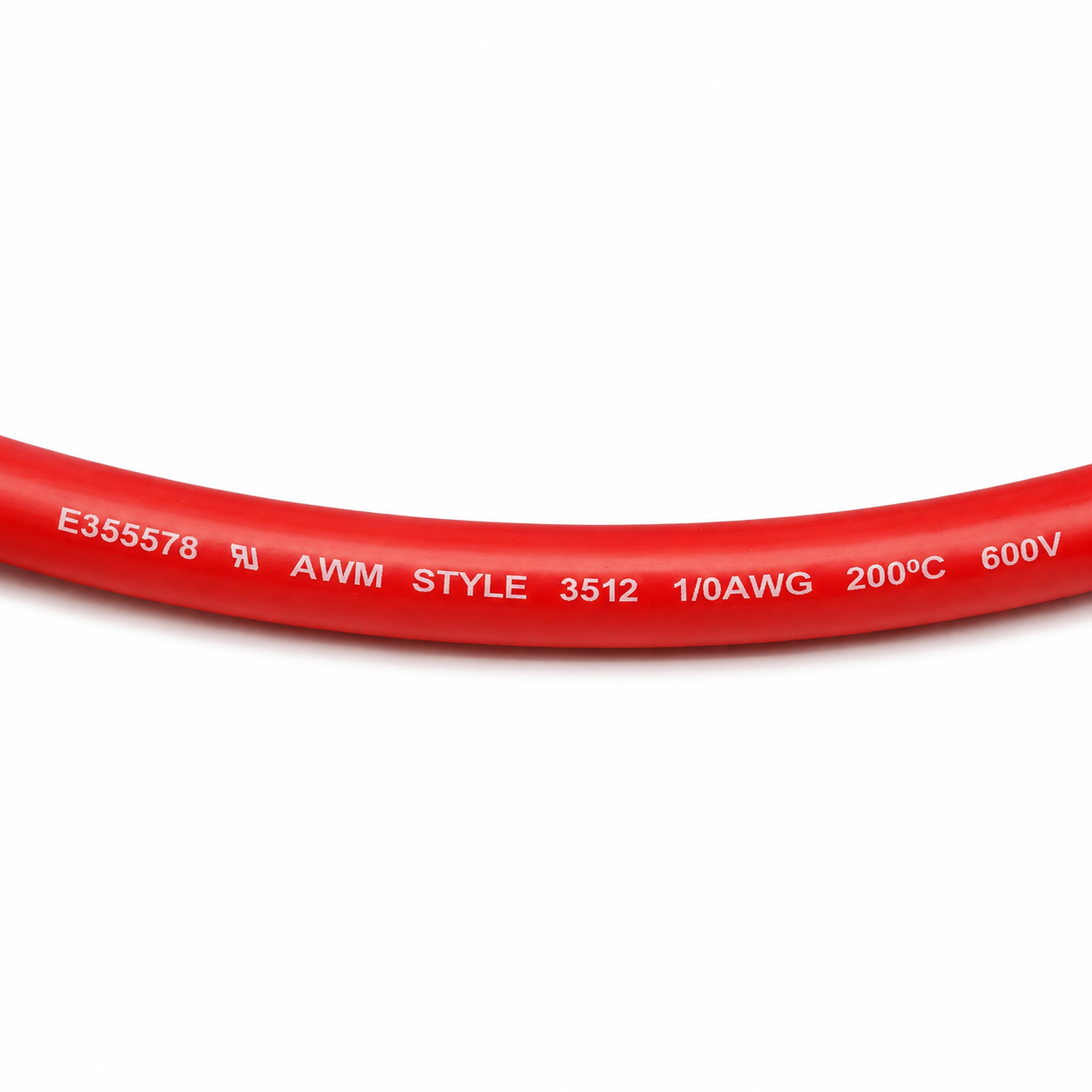
Electrical safety in industrial and residential applications depends heavily on proper conductor sizing, and 2 AWG wire represents a critical threshold in electrical system design. Understanding why 2 AWG wire thickness matters for safety is essential for anyone specifying cables, installing circuits, or managing electrical infrastructure. The 2 AWG wire gauge determines how much electrical current can flow safely through a conductor before heat buildup creates a fire hazard or equipment damage. Inadequate 2 AWG wire sizing is one of the most common causes of electrical fires, equipment failures, and costly downtime in industrial facilities.
The thickness of 2 AWG wire directly correlates to its ability to carry electrical current without excessive heat generation. When current flows through a conductor, resistance causes the wire to warm up, and if the 2 AWG wire is too thin for the amperage it carries, temperatures can exceed safe limits within seconds. This thermal stress weakens insulation, creates fire hazard conditions, and can cause catastrophic equipment failures. Proper 2 AWG wire selection ensures that electrical systems operate within design parameters and that protective devices like circuit breakers and fuses function correctly to prevent dangerous fault conditions.
Understanding 2 AWG Wire Amperage Ratings
Current Carrying Capacity of 2 AWG Wire
The amperage rating of 2 AWG wire depends on several factors including insulation type, installation method, ambient temperature, and conductor material. A typical 2 AWG wire with standard insulation can safely carry between 95 and 130 amperes under normal conditions, though industrial applications may specify different ratings based on specific requirements. The 2 AWG wire gauge was specifically engineered to handle substantial currents in medium to heavy-duty applications without oversizing the conductor to the next gauge level. Oversizing beyond necessary 2 AWG wire specifications wastes material and increases installation complexity, while undersizing creates immediate safety risks that no engineering benefit can justify.
How 2 AWG Wire Prevents Overcurrent Damage
When a 2 AWG wire carries current above its rated amperage, the conductor's resistance causes rapid temperature rise that can degrade insulation and create arc flash hazards. An undersized 2 AWG wire substitute or improper installation can delay protective device operation, allowing dangerous heat buildup. The correct 2 AWG wire size ensures that circuit breakers and fuses detect overcurrent conditions quickly and disconnect the circuit before thermal damage occurs. This protective coordination between 2 AWG wire sizing and overcurrent devices is fundamental to electrical safety standards and prevents fires, shocks, and equipment destruction in both commercial and industrial environments.
Heat Dissipation and Thermal Performance
Why Conductor Cross-Section Area Affects Heat Dissipation
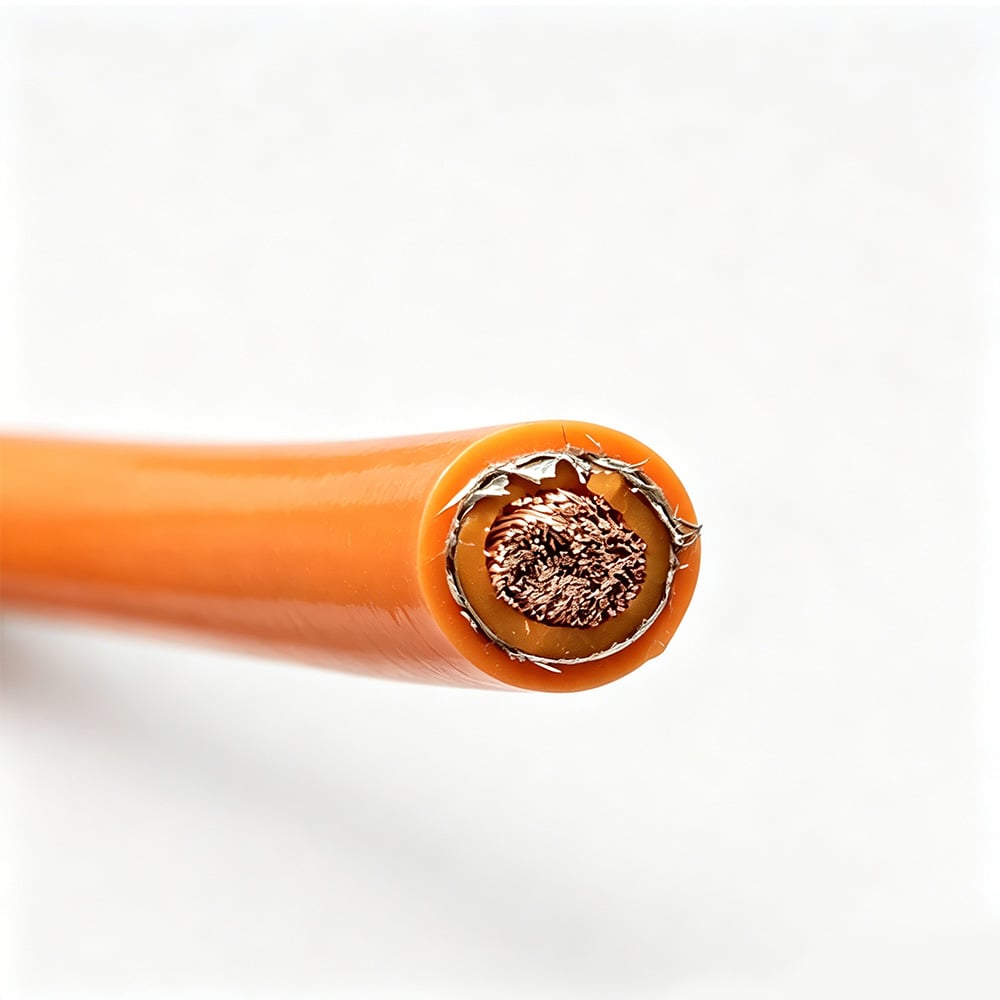
Electrical resistance in a 2 AWG wire is inversely proportional to its cross-sectional area, meaning thinner conductors generate significantly more heat at the same amperage levels. The 2 AWG wire cross-section provides sufficient surface area for heat to dissipate into the surrounding environment, whether the cable is in conduit, buried, or run in open air. When 2 AWG wire operates at rated amperage in proper installation conditions, the heat generated is manageable and dissipates at a rate that keeps insulation temperature within acceptable limits. Industrial codes and standards specify exactly which 2 AWG wire configurations are acceptable for different environments because thermal performance varies with installation method, and undersized alternatives can cause rapid insulation degradation and fire initiation.
Temperature Rise Limits and 2 AWG Wire Compliance
Electrical codes establish temperature rise limits for conductors in different applications, and 2 AWG wire must demonstrate compliance with these thermal standards under maximum rated load. A properly sized 2 AWG wire running at rated amperage maintains insulation temperature below the threshold where polymer breakdown accelerates, typically keeping surfaces below 60 to 90 degrees Celsius depending on insulation type. If a 2 AWG wire installation shows temperature readings above these limits, it signals either overcurrent conditions, excessive ambient heat, or improper installation that compromises safety. Temperature monitoring of 2 AWG wire circuits in critical applications provides early warning of developing problems before catastrophic failure occurs, protecting personnel and equipment from electrical hazards.
Safety Standards and 2 AWG Wire Compliance
Regulatory Requirements for 2 AWG Wire Sizing
Electrical safety codes including the National Electrical Code and international standards require that every circuit conductor, including any 2 AWG wire application, be sized so that the maximum current under normal conditions does not exceed the ampacity rating. The 2 AWG wire gauge appears in regulatory tables specifically because its electrical properties have been tested and validated to meet safety margins for common industrial and residential circuits. Using substitute wire sizes that claim equivalent performance but do not meet the 2 AWG wire specification violates code compliance and creates liability for installers, inspectors, and facility managers. Compliance with 2 AWG wire sizing requirements is not optional or flexible; it represents the minimum safety threshold established by electrical engineering professionals and regulatory bodies.
System Integration and Protective Device Coordination
A 2 AWG wire circuit must work in coordination with properly sized circuit breakers, fuses, and grounding systems to create a complete safety network. The 2 AWG wire size directly determines which overcurrent device rating is appropriate; using oversized protection with 2 AWG wire removes the safety margin and allows dangerous overcurrent to flow. When 2 AWG wire is paired with correctly sized protective devices, the system detects faults and disconnects before thermal runaway or equipment damage occurs. This coordination principle applies across all 2 AWG wire applications, from industrial motors to residential branch circuits, and any deviation from proper 2 AWG wire and protection sizing compromises the entire safety strategy.
FAQ
What happens if I use wire smaller than 2 AWG wire for a circuit rated for 2 AWG wire?
Using undersized wire instead of 2 AWG wire in a circuit designed for 2 AWG wire creates immediate fire hazard conditions. The smaller conductor cross-section increases resistance, causing excessive heat generation at rated amperage. Insulation degrades rapidly, potentially failing within minutes of full load operation. Circuit breakers may not trip quickly enough to prevent insulation failure because the smaller wire still carries dangerous current before the overcurrent device responds. Fire initiation, equipment damage, and personnel injury are realistic outcomes of this unsafe substitution, making it one of the most dangerous electrical code violations.
Can I use 2 AWG wire for lower amperage circuits than its rated capacity?
Yes, using 2 AWG wire for a circuit rated below its ampacity is acceptable and safe from a thermal perspective. Many installations intentionally oversize 2 AWG wire to provide margin for future load increases or to ensure robust long-term reliability. The primary disadvantage is increased material cost and potential installation complexity, not safety risk. However, the overcurrent protection device must still be sized for the actual circuit amperage, not for the 2 AWG wire ampacity, to maintain proper protective device coordination and code compliance. Oversizing the conductor is always safer than undersizing, provided that other system components remain properly coordinated.
How do I verify that 2 AWG wire is properly installed in an existing circuit?
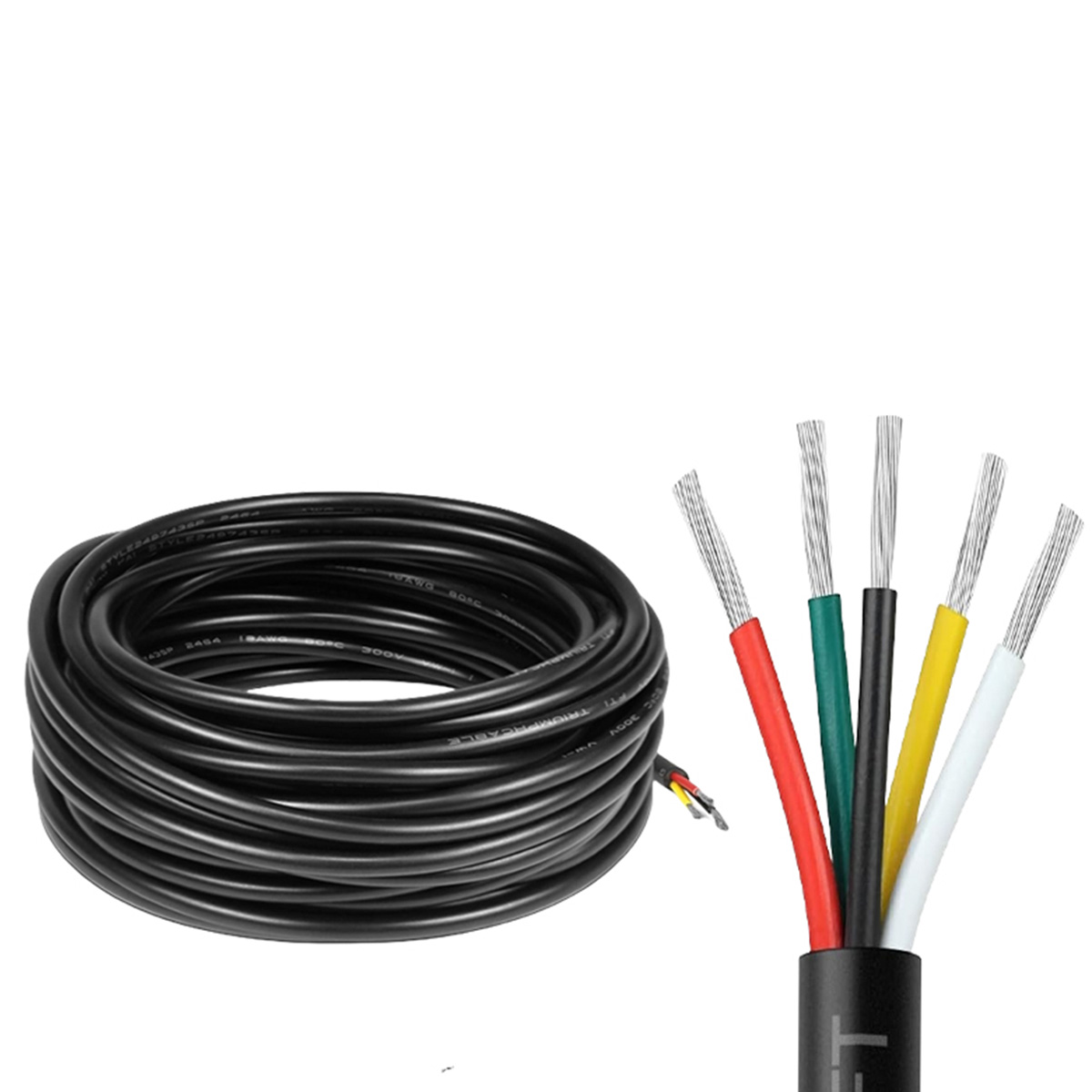
Verification requires visual inspection, documentation review, and sometimes testing to confirm that 2 AWG wire was actually used and is installed according to code requirements. Check that cable jackets are marked with gauge information and that no splice points substitute thinner wire into the circuit. Measure circuit operating temperature under load to ensure it stays within acceptable ranges, and verify that overcurrent protection matches the 2 AWG wire specification and actual circuit amperage. Professional electricians can perform insulation resistance testing and thermal imaging to detect hidden installation defects. Never assume that an existing circuit meets 2 AWG wire standards without verification, especially if the installation predates current codes or lacks clear labeling.