EN
EN


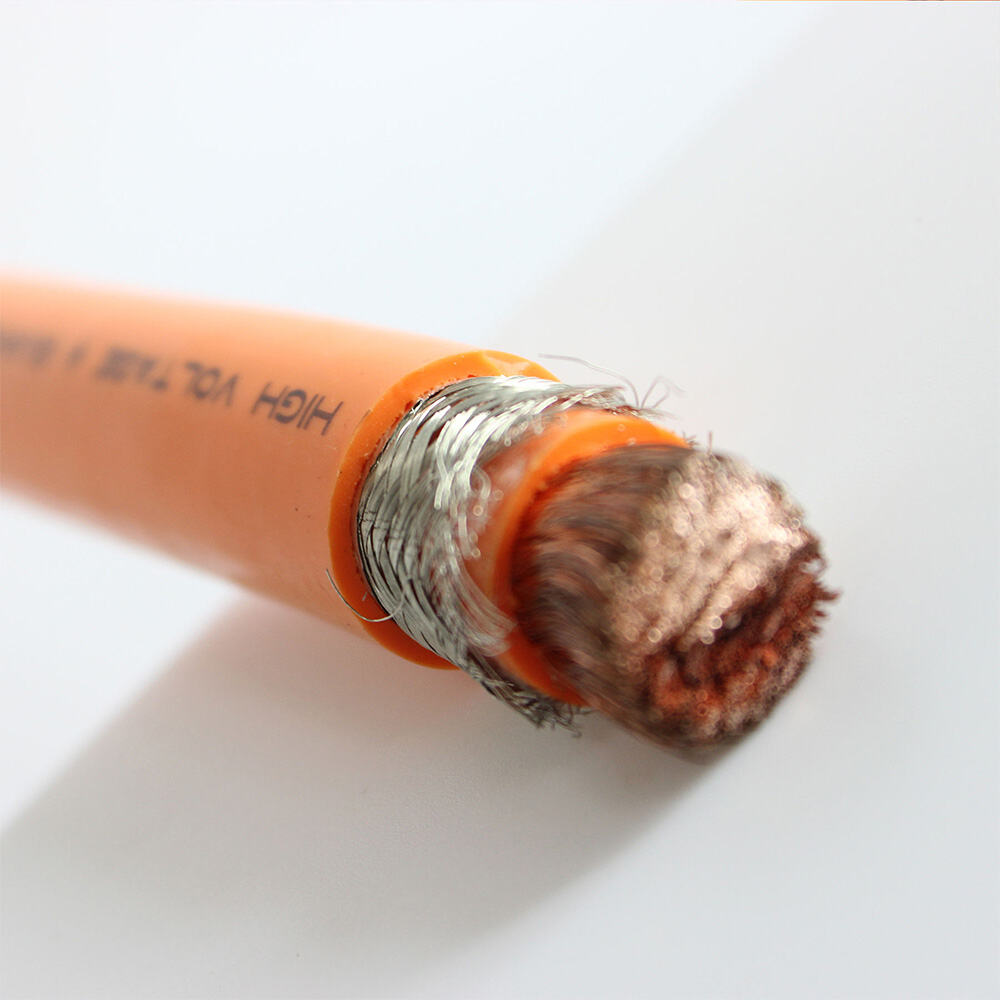
Dans le paysage en constante évolution de l’électrification et des infrastructures énergétiques, comprendre ce qu’est un câble haute tension et comment il fonctionne n’a jamais été aussi pertinent. Que vous travailliez dans la fabrication de véhicules électriques, les systèmes d’énergie renouvelable, la distribution industrielle d’énergie ou les infrastructures du réseau électrique, le câble haute tension se situe au cœur même d’une transmission d’énergie fiable et efficace. À mesure que 2025 introduit de nouvelles normes, de nouveaux matériaux et de nouvelles exigences techniques, il est essentiel de bien maîtriser à la fois la définition fondamentale et le fonctionnement opérationnel de ce composant critique.
A câble haute tension n’est pas un seul produit mais plutôt une catégorie de conducteurs électriques conçus pour transporter de l’énergie électrique à des tensions nettement supérieures aux niveaux standard — généralement à partir de 1 000 volts et pouvant atteindre plusieurs centaines de kilovolts, selon l’ application en 2025, la définition s’est élargie pour inclure des câbles spécialisés destinés aux groupes motopropulseurs des véhicules électriques (VE), aux systèmes de smart grid et aux plates-formes éoliennes offshore, tous exigeant des configurations structurelles, des matériaux d’isolation et des seuils de performance différents. Cet article décortique l’anatomie, les principes de fonctionnement et la pertinence applicative du câble haute tension moderne câble haute tension avec précision et une vision pratique.
Définir le câble haute tension : périmètre et classification
Quelles plages de tension définissent un câble haute tension ?
La classification d’un câble haute tension dépend de la plage de tension pour laquelle il est conçu. Dans le contexte des services publics électriques et des infrastructures du réseau, la haute tension désigne généralement les systèmes fonctionnant à plus de 1 000 volts CA ou 1 500 volts CC. Les câbles moyenne tension couvrent généralement la plage de 1 kV à 35 kV, tandis que les câbles véritablement haute tension sont conçus pour des niveaux de 66 kV, 110 kV, 220 kV et plus. Chaque classification exige une approche d’ingénierie fondamentalement différente, allant de la géométrie du conducteur à l’épaisseur de l’isolation en passant par la conception du blindage.
Dans le secteur des véhicules électriques et des nouvelles énergies, le terme câble haute tension désigne souvent des câbles classés entre 600 V et 1 500 V CC, utilisés dans les systèmes de batteries de véhicules électriques, les architectures de recharge et les connexions de groupe motopropulseur. Ces câbles sont compacts, flexibles et résistants thermiquement, conçus pour supporter des charges de courant élevées dans des environnements dynamiques. La classification des câbles dans les applications automobiles diffère de celle des câbles haute tension utilisés au niveau du réseau, mais la rigueur ingénierie requise est tout aussi élevée.
Comprendre quelle classification s'applique à votre cas d'utilisation est la première étape pour spécifier le bon câble haute tension . Une mauvaise classification conduit à une isolation sous-dimensionnée, une capacité de transport de courant insuffisante ou une défaillance prématurée — autant de facteurs entraînant de graves conséquences en matière de sécurité et de fonctionnement dans les environnements énergétiques exigeants de 2025.
Principaux types de câbles utilisés dans les applications haute tension modernes
Le type le plus courant utilisé dans les réseaux électriques et les installations industrielles est le câble isolé en XLPE câble haute tension . Le polyéthylène réticulé (XLPE) offre une résistance thermique supérieure, une tenue diélectrique accrue et une plus grande longévité par rapport aux anciens câbles PILC (à isolation papier et gaine plombée). Les câbles XLPE sont désormais la norme dans les réseaux de transport et de distribution dans la plupart des pays, grâce à leur combinaison de performances et de souplesse d'installation.
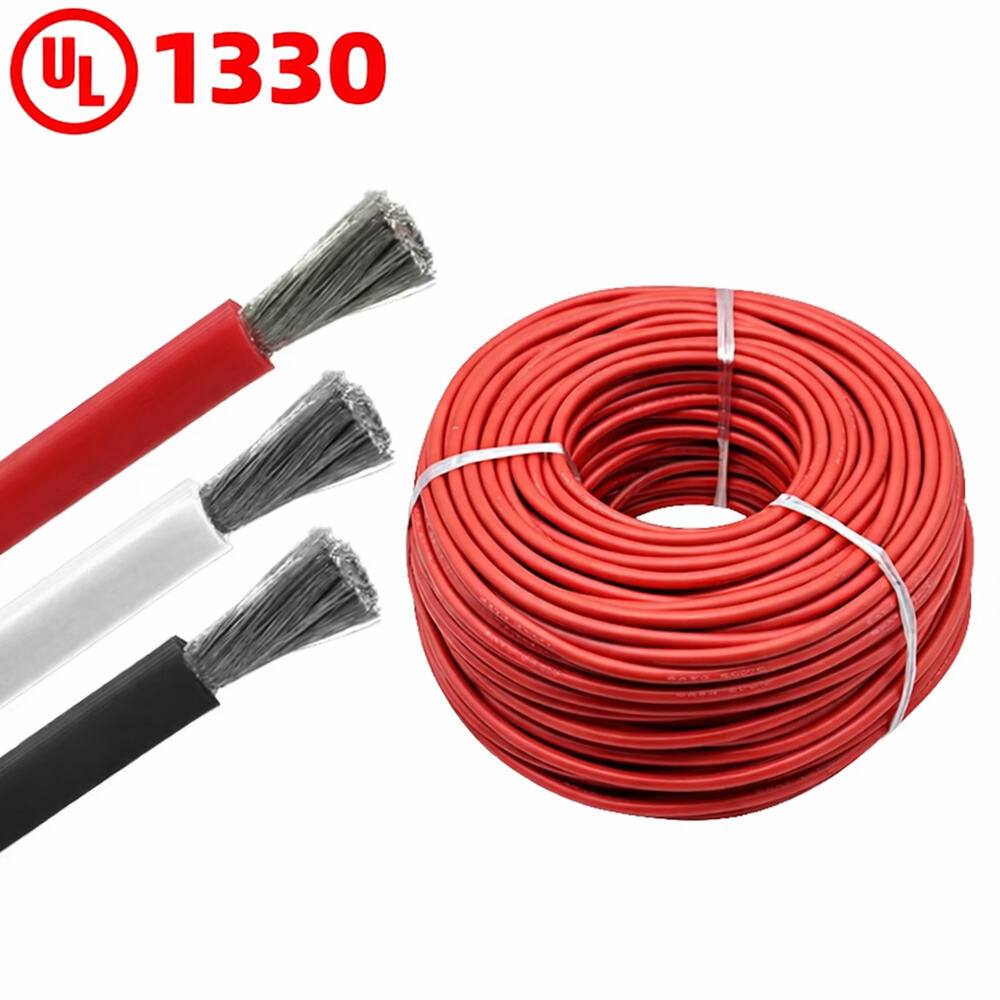
Pour les véhicules électriques (VE) et les plateformes de véhicules à nouvelle énergie, les variantes de câbles isolés en caoutchouc silicone et en XLPE câble haute tension sont couramment utilisées. Ces câbles privilégient la flexibilité, la résistance aux produits chimiques et les performances en cyclage thermique. Un câble VE bien conçu câble haute tension évalué à 1 500 V CC, tel qu’une conception de section transversale de 70 mm², est capable de supporter les fortes exigences électriques des groupes motopropulseurs électriques haute performance tout en conservant une stabilité dimensionnelle dans des environnements de châssis compacts.
Isolés par gaz et refroidis par fluide câble haute tension sont de plus en plus déployés pour les réseaux souterrains urbains et les raccordements éoliens offshore, où les contraintes d’espace et l’exposition aux agents environnementaux exigent des solutions techniques plus sophistiquées. Chaque type de câble implique des compromis spécifiques en termes de coût, de complexité d’installation et de domaine de performances.
La structure interne d’un câble haute tension
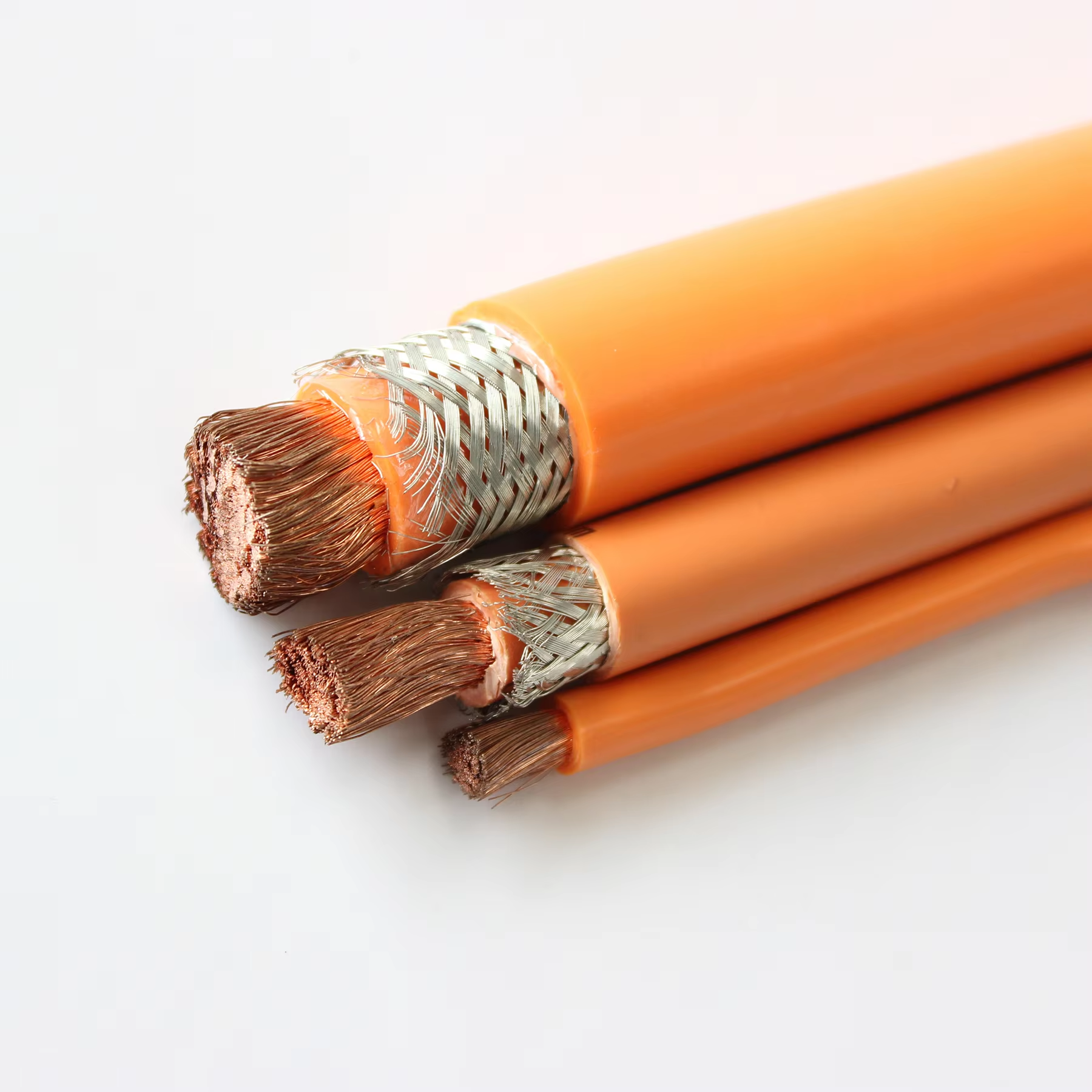
Conception du conducteur et choix des matériaux
Le conducteur est le cœur électrique de tout câble haute tension . Il est chargé de transporter le courant d’un point à un autre avec des pertes résistives minimales. Le cuivre et l’aluminium sont les deux matériaux conducteurs dominants. Le cuivre offre une résistivité plus faible et une résistance mécanique supérieure, ce qui le rend privilégié pour les applications compactes et flexibles. câble haute tension des conceptions telles que celles utilisées dans les systèmes électriques à propulsion (EV). L’aluminium, bien que moins conducteur en volume, est nettement plus léger et plus économique, ce qui en fait un choix pratique pour les applications de transmission aérienne et souterraine sur de longues distances.
La géométrie du conducteur joue également un rôle essentiel dans les performances. Les conducteurs toronnés — composés de nombreux fils plus fins torsadés ensemble — sont utilisés dans les applications flexibles câble haute tension où le câble doit se plier répétitivement sans subir de rupture par fatigue. Les conducteurs pleins, en revanche, sont utilisés dans les installations rigides ou semi-rigides, où la constance de la densité de courant est privilégiée par rapport à la flexibilité. La section transversale, exprimée en mm², détermine directement la capacité de transport de courant du câble ainsi que son comportement thermique sous charge.
En 2025, la fabrication avancée de conducteurs utilise des conceptions de torons comprimés ou compacts afin de réduire le diamètre du câble tout en conservant la section transversale. Cela revêt une importance particulière dans les architectures de véhicules électriques (VE), où l’espace dédié au routage est limité et la réduction du poids constitue une priorité au niveau système. câble haute tension n’est pas uniquement une décision liée au coût — il s’agit d’une décision liée à la gestion thermique et à la fiabilité.
Systèmes d’isolation et leur rôle dans les performances haute tension
Est sans doute le composant le plus ingénieusement conçu au sein d’un câble haute tension . Sa fonction principale consiste à isoler électriquement le conducteur sous tension de l’environnement environnant ainsi que de tout autre conducteur adjacent ou de toute pièce reliée à la masse. Pour un câble fonctionnant à 1 500 V CC dans un véhicule électrique ou à 110 kV dans un réseau de transport, l’isolant doit résister non seulement à la tension de service, mais aussi aux surtensions transitoires, aux cycles thermiques et au vieillissement à long terme.
L'isolation en XLPE est produite par réticulation chimique des chaînes polymères de polyéthylène, ce qui améliore considérablement sa résistance à la chaleur et ses propriétés diélectriques par rapport au polyéthylène standard. câble haute tension un câble avec isolation en XLPE peut fonctionner en continu à des températures conductrices allant jusqu’à 90 °C et supporter des températures de court-circuit allant jusqu’à 250 °C. Cette marge thermique est essentielle dans les applications où surviennent des défauts ou des pointes de demande.
L’isolation en caoutchouc silicone, utilisée dans certains produits spécifiques aux véhicules électriques (EV), câble haute tension offre une excellente flexibilité à basse température ainsi qu’une résistance exceptionnelle aux rayons UV, à l’ozone et aux agents chimiques. Le choix entre XLPE et caoutchouc silicone dépend du profil mécanique, thermique et environnemental spécifique de l’installation. Aucun des deux n’est universellement supérieur : la spécification doit correspondre aux exigences réelles de l’application.
Fonctions de blindage, d’armure et de gaine extérieure
Au-delà de l’isolation, un câble correctement conçu câble haute tension comprend une couche semi-conductrice entre le conducteur et l'isolant, ainsi qu'une couche semi-conductrice externe entre l'isolant et l'écran métallique. Ces couches semi-conductrices créent un gradient uniforme du champ électrique, empêchant la formation de concentrations locales de contrainte qui pourraient initier une défaillance de l'isolant au fil du temps. Cette structure en couches constitue un élément indispensable de tout système haute tension bien conçu.
L'écran ou la gaine métallique d'un câble haute tension remplit à la fois des fonctions électriques et de sécurité. Sur le plan électrique, il définit la limite extérieure du champ électrique, le confinant à l'intérieur de la structure du câble et empêchant les interférences inductives avec les câbles ou systèmes adjacents. Du point de vue de la sécurité, il fournit un chemin permettant aux courants de défaut de s'écouler en toute sécurité vers la terre, plutôt que de traverser des personnes ou des équipements.
La gaine extérieure est la couche protectrice finale d'un câble haute tension et assure une protection mécanique contre l'abrasion, la pénétration d'humidité, l'exposition aux produits chimiques et les rayonnements UV. Dans les applications industrielles et pour véhicules électriques (EV), le matériau de la gaine doit également satisfaire à des exigences spécifiques en matière de résistance au feu. Les élastomères thermoplastiques, le PVC et le polyuréthane sont des matériaux courants pour les gaines, chacun étant choisi en fonction des risques spécifiques liés à l'environnement d'installation et des exigences réglementaires.
Fonctionnement d’un câble haute tension : principes électriques et physiques
Transmission de l’énergie électrique en haute tension
La raison fondamentale d’utilisation d’un câble haute tension plutôt qu’un conducteur standard à basse tension est directement lié à la physique de la transmission d’énergie électrique. La puissance électrique égale la tension multipliée par le courant (P = V × I). Pour transmettre une quantité fixe d’énergie, l’augmentation de la tension permet une réduction proportionnelle du courant. Comme les pertes résistives dans un conducteur varient avec le carré du courant (P_pertes = I² × R), la transmission d’énergie à haute tension réduit considérablement les pertes. C’est là le principe fondamental qui rend câble haute tension les systèmes économiquement et techniquement indispensables pour la distribution d’énergie sur de longues distances.
En termes pratiques, une câble haute tension transmettre de l’énergie à 110 kV transporte la même quantité d’énergie que de nombreux câbles à basse tension en parallèle réunis, mais avec seulement une fraction des pertes thermiques résistives. Cet avantage en termes d’efficacité justifie le coût plus élevé et la complexité technique de câble haute tension systèmes destinés aux applications à l'échelle du réseau. Dans les systèmes de véhicules électriques (VE), la haute tension continue (CC) des architectures de batteries modernes — souvent de 800 V ou plus — réduit de même les exigences en courant et permet d'utiliser des faisceaux de câblage plus petits et plus légers.
Le principe de fonctionnement d'un câble haute tension dans les applications CC pour véhicules électriques diffère quelque peu de celle utilisée dans la transmission alternative (CA). Les systèmes CC éliminent les pertes liées à la puissance réactive et les différences de phase de tension, ce qui les rend plus efficaces pour la distribution de puissance à bord du véhicule. La câble haute tension dans ce contexte doit supporter les charges de courant en régime permanent pendant les cycles de conduite, ainsi que les pics de courant transitoires survenant lors du freinage régénératif ou d'accélérations rapides.
Gestion thermique et capacité de courant
N'importe lequel câble haute tension en fonctionnement génère de la chaleur en raison des pertes résistives dans le conducteur. La capacité du câble à dissiper cette chaleur — vers le milieu environnant, qu’il s’agisse d’air, de sol ou d’un boîtier — détermine sa capacité de transport de courant, ou ampacité. Si la génération de chaleur dépasse la dissipation de chaleur, la température du conducteur augmente, l’isolation se dégrade et, à terme, le câble tombe en panne. La gestion thermique constitue donc une préoccupation centrale dans la conception, l’installation et l’exploitation de tout câble haute tension système.
Les calculs d’ampacité des câbles en 2025 sont effectués selon les normes CEI ou IEEE et tiennent compte de facteurs tels que la section transversale du conducteur, la résistance thermique de l’isolation, la température ambiante, la profondeur d’enfouissement, la résistivité thermique du sol et les effets de regroupement lorsque plusieurs câbles sont installés à proximité les uns des autres. Une installation bien spécifiée câble haute tension comprend non seulement le câble lui-même, mais aussi une analyse complète de l’environnement thermique afin de garantir que le câble fonctionne dans les limites de température prévues tout au long de sa durée de vie utile.
Dans les applications VE, la gestion thermique de la câble haute tension intersecte également avec les systèmes de refroidissement de la batterie du véhicule et les stratégies de prévention de la propagation thermique. Les câbles acheminés à proximité de sources de chaleur telles que le moteur ou l’électronique de puissance doivent posséder des indices thermiques adéquats ainsi que des distances de dégagement suffisantes. L’intégration de la câble haute tension dans l’architecture thermique du véhicule constitue désormais un élément clé de l’ingénierie des groupes motopropulseurs électriques en 2025.
Applications des câbles haute tension en 2025
Groupes motopropulseurs des véhicules électriques et des véhicules à nouvelle énergie
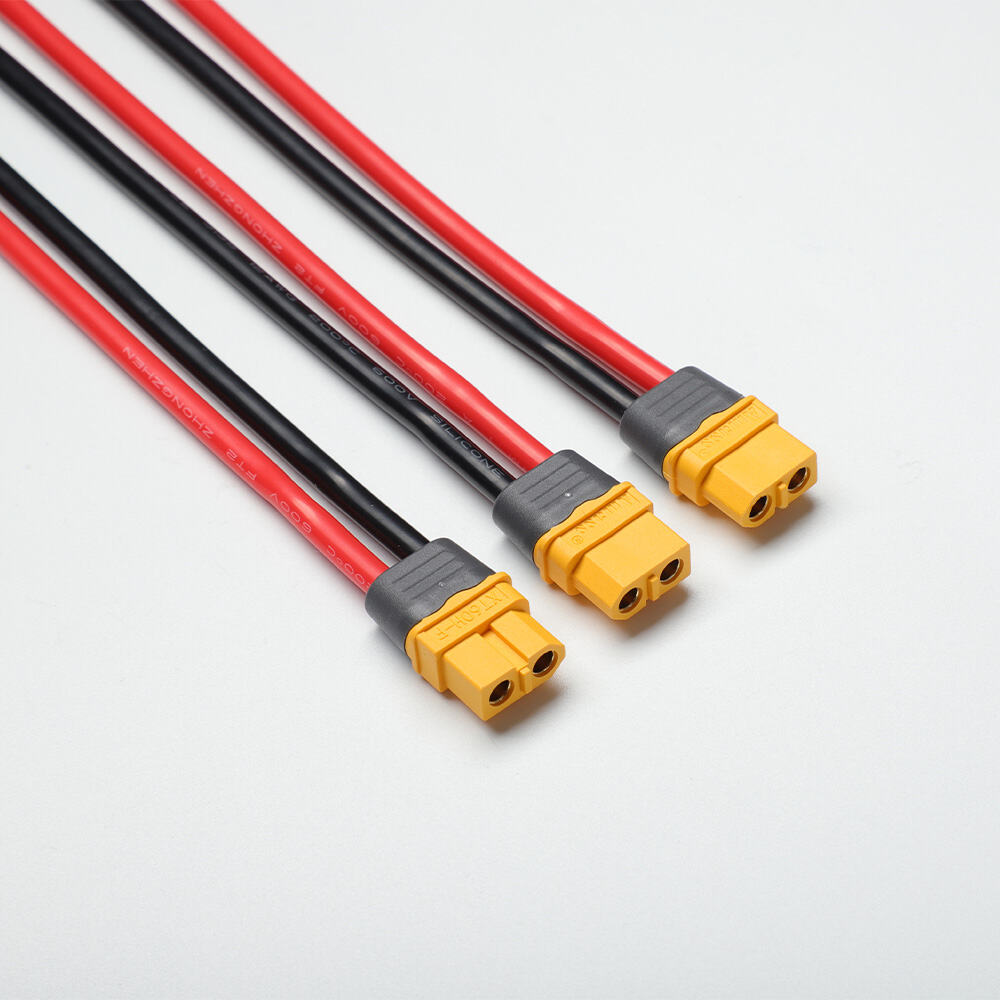
Le secteur des véhicules électriques représente l’un des domaines d’application connaissant la croissance la plus rapide pour la technologie câble haute tension en 2025. Les véhicules électriques modernes et les véhicules à nouvelle énergie fonctionnent avec des systèmes batteries en courant continu allant de 400 V à 800 V, certains plateformes hautes performances visant même 1 000 V. Le câble haute tension dans ces véhicules relie le bloc-batterie à l’onduleur moteur, au chargeur embarqué, au convertisseur CC-CC et au système de gestion thermique. Chaque point de connexion exige un câble présentant une capacité d’ampérage, une flexibilité et une compatibilité de connecteurs spécifiques.
Spécifique aux VE câble haute tension les produits, tels que ceux conçus avec des sections nominales de conducteur de 70 mm², dimensionnés pour une tension continue de 1 500 V, sont conçus pour résister aux conditions sévères de vibrations, de cycles thermiques et d’exposition chimique rencontrées à l’intérieur d’un châssis de véhicule. Les matériaux d’isolation et de gaine doivent satisfaire aux normes automobiles telles que LV 216 et ISO 6722, qui régissent les performances sous l’effet de la chaleur, du froid, des rayons UV et de l’exposition chimique. Les exigences mécaniques liées au passage des câbles dans les courbures serrées du châssis imposent des conducteurs torsadés à haute flexibilité, capables de supporter des milliers de cycles de flexion sans fatigue du conducteur.
Alors que l’infrastructure de recharge des véhicules électriques se développe en 2025, le câble haute tension joue également un rôle central dans les architectures des stations de recharge rapide. Les chargeurs rapides à courant continu fonctionnant entre 150 kW et 350 kW nécessitent des câbles à forte section et à haute résistance thermique, depuis le point de raccordement au réseau jusqu’au dispositif de recharge. Les câbles de recharge à refroidissement liquide — une variante du concept de câble haute tension — sont déployés afin de permettre des poignées de recharge fines et souples, malgré les fortes intensités de courant mises en jeu.
Infrastructure du réseau, énergie renouvelable et puissance industrielle
Dans les contextes des services publics et de l’industrie, le câble haute tension constitue l’épine dorsale des réseaux souterrains de transport et de distribution. À mesure que les villes s’étendent et que les lignes aériennes de transport rencontrent une opposition publique croissante, les systèmes souterrains câble haute tension sont déployés à grande échelle. Ces installations exigent une conception rigoureuse des itinéraires de câbles, des armoires de raccordement et des points de terminaison, qui doivent toutes respecter les normes internationales en matière de sécurité et de longévité.
Les parcs éoliens offshore représentent l’un des environnements d’application les plus exigeants pour la technologie câble haute tension les câbles d’exportation reliant les plates-formes offshore aux points de raccordement au réseau terrestre doivent résister à une exposition continue à l’eau salée, à des tensions mécaniques importantes lors des opérations de pose, ainsi qu’à des contraintes électriques sur des longueurs de câble allant de plusieurs dizaines à plusieurs centaines de kilomètres. Câbles isolés en XLPE, armés de câbles d’acier câble haute tension les systèmes CA sont le choix standard pour ces applications, avec des recherches en cours sur les systèmes de câbles à courant continu haute tension (CCHT) afin de réduire les pertes sur de longues distances sous-marines.
Les installations industrielles, les centres de données et les établissements commerciaux s'appuient également sur des câbles moyenne tension et câble haute tension des câbles pour leur alimentation électrique principale et leur distribution interne. À mesure que les installations augmentent leurs charges électriques en réponse à l'électrification du chauffage, du refroidissement et des procédés de production, la spécification et la qualité d'installation des câble haute tension câbles deviennent un facteur de risque opérationnel direct. Investir dans des câbles correctement dimensionnés et dotés d'une protection adéquate contre les dommages mécaniques, l'humidité et l'incendie constitue autant une décision stratégique de continuité d'activité qu'une décision technique.
FAQ
Quelle est la principale différence entre un câble haute tension et un câble d'alimentation standard ?
A câble haute tension est spécifiquement conçu pour fonctionner à des tensions supérieures à 1 000 V CA ou 1 500 V CC, avec des systèmes d’isolation nettement plus épais et plus sophistiqués, des couches de blindage métallique et des tolérances de fabrication plus strictes que celles des câbles d’alimentation basse tension classiques. Les câbles standard utilisent généralement une isolation simple en PVC ou en XLPE, sans l’architecture multicouche de semi-conducteurs et de blindage requise aux hautes tensions. L’écart technique entre un câble standard et un câble haute tension reflète les contraintes électriques et les exigences de sécurité nettement accrues qui entrent en jeu.
Quelle est la durée de vie typique d’un câble haute tension en service ?
Un câble haute tension bien fabriqué et correctement installé câble haute tension en utilisant une isolation moderne en XLPE est conçu pour une durée de service de 30 à 40 ans dans les applications réseaux électriques publics. Dans les applications pour véhicules électriques (EV) et industrielles, la durée de vie prévue est généralement alignée sur celle de l’équipement qu’il alimente — souvent de 10 à 15 ans pour une utilisation automobile et de 20 à 30 ans pour des installations industrielles. La durée de service dépend fortement de la qualité de l’installation, de l’historique de charge thermique, ainsi que de l’absence de dommages physiques ou de pénétration d’humidité. Une surveillance régulière de l’état permet de détecter les signes de vieillissement avant qu’une défaillance ne se produise.
Un câble haute tension peut-il être réparé en cas de dommage ?
Réparation d’un câble haute tension est techniquement possible, mais nécessite des équipements hautement spécialisés et des techniciens qualifiés. Dans les applications de niveau transport, les raccords et les manchons de réparation de câbles doivent être installés dans des conditions environnementales strictement contrôlées afin d’éviter toute contamination par l’humidité du système d’isolation. Toute réparation mal exécutée dans un câble haute tension crée un point de concentration des contraintes électriques pouvant entraîner une défaillance catastrophique. Dans les applications véhicules électriques (VE), les câbles haute tension endommagés sont généralement remplacés intégralement plutôt que raccordés par épissure, car les systèmes de sécurité du véhicule dépendent de l’intégrité complète de chaque connexion.
Quelles certifications un câble haute tension doit-il respecter en 2025 ?
Les certifications applicables à un câble haute tension dépendent de l’application et du marché concernés. Pour les usages liés au réseau électrique et aux applications industrielles, les normes internationales IEC 60502 et IEC 60840 constituent les références principales couvrant les exigences relatives à la construction et aux essais. Pour les applications véhicules électriques (VE), des normes telles qu’ISO 6722, LV 216 et les normes GB/T sur le marché chinois définissent les critères de performance. En 2025, une attention accrue est portée aux certifications relatives à la résistance au feu, telles que l’IEC 60332, ainsi qu’aux exigences concernant l’absence d’halogènes dans les matériaux, notamment dans les environnements confinés. Les acheteurs doivent toujours vérifier qu’un câble haute tension a été soumis à des essais et certifié conformément aux normes spécifiques applicables à la géographie de leur installation et au type d’application.
Table des matières
- Définir le câble haute tension : périmètre et classification
- La structure interne d’un câble haute tension
- Fonctionnement d’un câble haute tension : principes électriques et physiques
- Applications des câbles haute tension en 2025
-
FAQ
- Quelle est la principale différence entre un câble haute tension et un câble d'alimentation standard ?
- Quelle est la durée de vie typique d’un câble haute tension en service ?
- Un câble haute tension peut-il être réparé en cas de dommage ?
- Quelles certifications un câble haute tension doit-il respecter en 2025 ?